| AIAA Los Angeles Section Town Hall Meeting 10/14 (A Hybrid Meeting with both In-person and online attendance) Wednesday, October 14, 2026 (5:00 PM Check-in, Site Visit, Networking | 7 PM Presentation)
(Pizza will be provided! Please bring ticket/RSVP for check-in.)
(In-person attendees will have the chance to enjoy a site visit as well at the Faraday Future Headquarters on AI/Robotics, and might also get better interactive and networking experiences in the event.) (Online attendees will enjoy the presentation as a webinar online at 7pm (in-person attendees will enjoy on-site in-person presentation and networking / interactions). The site-visit/tour is in-person only.) |
|
|
(Oct 14) Releasing insights from data: quarrying vs. sculpting (with Prof. Paul Ronney) (+AI tour) |
Speaker:
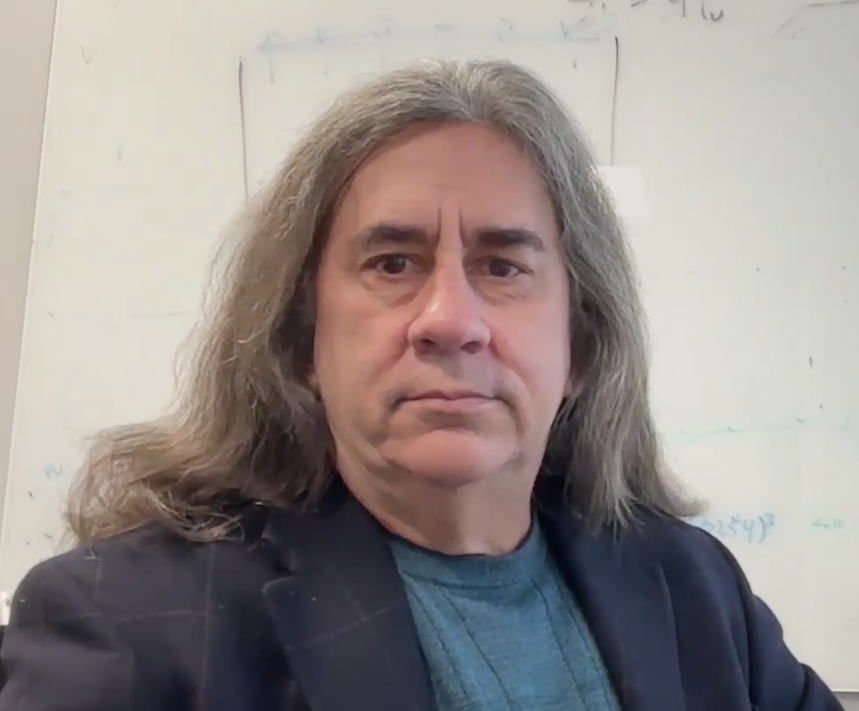
Prof. Paul D. Ronney
Department of Aerospace and Mechanical Engineering
University of Southern California, Los Angeles, CA 90089
Moderator:
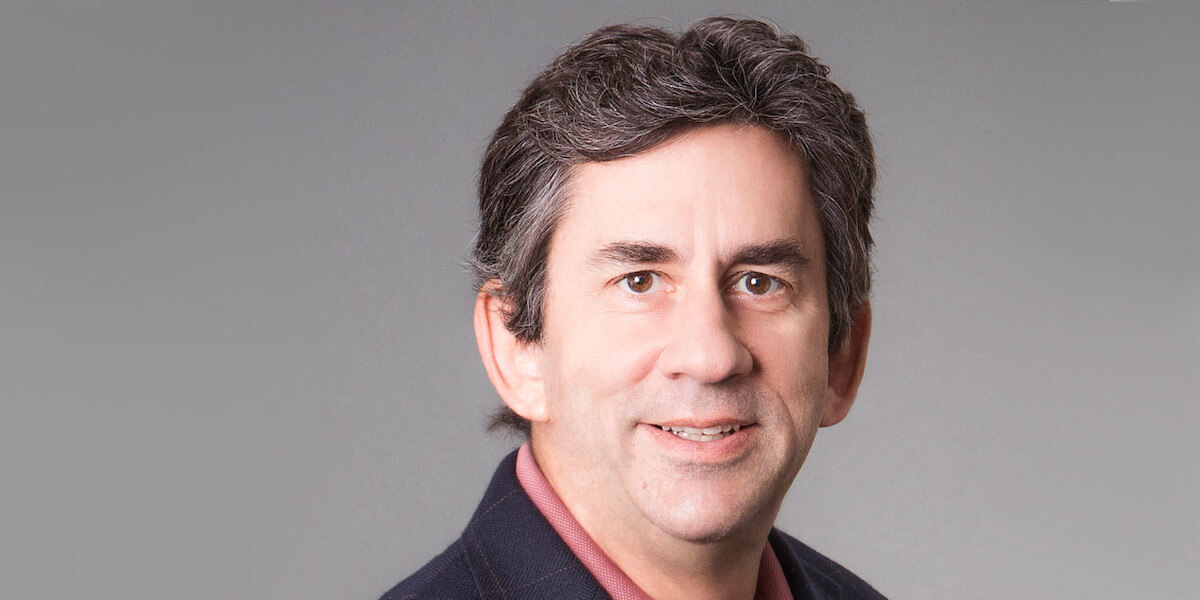
Dr. Jeff Puschell
AIAA Region VI Deputy Director of Education,
AIAA Fellow, SPIE Fellow, National Academy of Engineering,
Northrop Grumman Corporation | Space Systems |
|
Faraday Future Headquarters
1990 E Grand Ave, El Segundo, CA 90245
View on map
Virtual location You will receive a confirmation email with a URL. |
|
Wednesday, October 14, 2026
05:00pm - 09:00pm PT |
|
|
|
| Tentative Agenda (All Times PDT (GMT -0700) (U.S. and Canada)): 5:00 PM: Check-in, Site Visit, Networking (Welcome to bring your own dinner.) 7:00 PM: Welcome and Introduction 7:05 PM: Presentation and Q&A 8:35 PM: Networking | Adjourn 9:30 PM: Door closes |
|
Disclaimer: The views of the speaker do not represent the views of AIAA or the AIAA Los Angeles Section. |
|
| Releasing insights from data: quarrying vs. sculpting
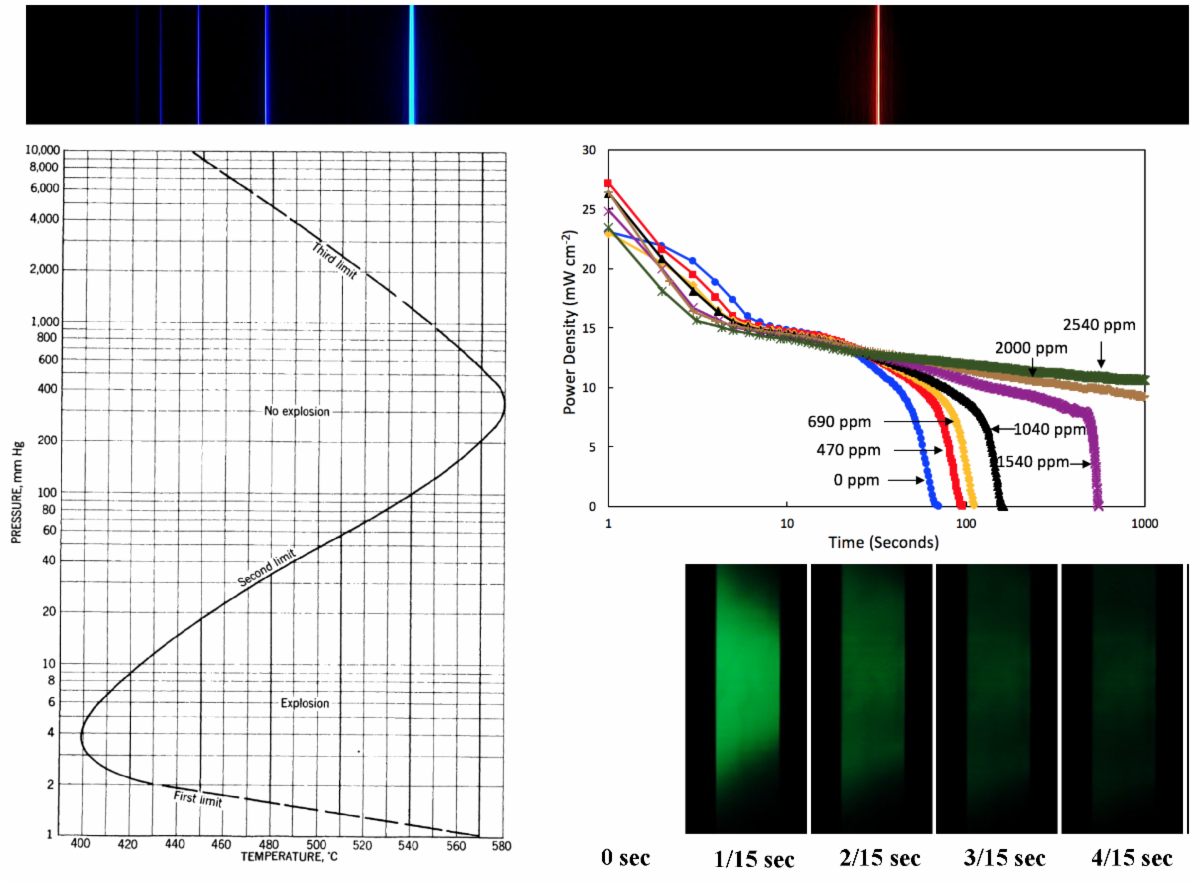
When Michelangelo surveyed a block of marble, he saw a figure trapped inside; his goal was to release the figure that in his mind was already there. Research involves not only “quarrying” (obtaining) blocks of experimental, computational, or theoretical data but more importantly releasing the insights trapped within. For example, every student of physics learns about the H atom spectrum and every student of combustion learns about the 3 explosion limits of the H2-O2 system - but why these blocks of data? Because, trapped within the spectrum and the wiggly curve are critical, unequivocal insights - that energy levels of matter are quantized and that H2-O2 combustion proceeds through two entirely different sets of intermediates depending on temperature and pressure.
In those two famous examples the insights and their significance are “obvious” given the benefit of years of hindsight - what important insights are trapped inside freshly quarried data? The focus of this interactive seminar is on examples of and methods for sculpting data into works of insight. Starting with the aforementioned case studies the audience’s sculpting skill will be challenged with case studies from both the presenter’s own work (some not yet published) and elsewhere within combustion research community, with an emphasis on examples where the insights were both difficult to sculpt and led to counterintuitive insights. |
|
| Prof. Paul D. Ronney Department of Aerospace and Mechanical Engineer University of Southern California, Los Angeles, CA 90089 |
|
Paul Ronney is a Professor and former Chair of the Department of Aerospace and Mechanical Engineering at USC. Prof. Ronney received a B.S. in Mechanical Engineering from UC Berkeley, an MS in Aeronautics from Caltech, and a Sc.D. in Aeronautics and Astronautics from MIT. He held postdoctoral appointments at the NASA Lewis Research Center and the U. S. Naval Research Laboratory and a position as Assistant Professor at Princeton University before assuming his current position at USC. He was a Payload Specialist Astronaut (Alternate) for Space Shuttle Missions STS-83 and STS-94 in 1997. Professor Ronney's research areas include micro-scale combustion, turbulent combustion, internal combustion engines, microgravity combustion and fire spread. He has had experiments flown on three Space Shuttle missions. In recognition of his achievements, he is a Fellow of the American Association for the Advancement of Science, the American Society of Mechanical Engineers, and the Combustion Institute, an Associate Fellow of the American Institute of Aeronautics and Astronautics, and a Senior Member of the National Academy of Inventors. He is a recipient of the National Science Foundation Presidential Young Investigator Award, the Engineer’s Council Distinguished Engineering Educator Achievement Award, and the Combustion Institute Distinguished Paper Award. |
|
| (Moderator) Dr. Jeff Puschell
AIAA Region VI Deputy Director of Education, AIAA Fellow, SPIE Fellow, National Academy of Engineering, Northrop Grumman Corporation | Space Systems |
|
Dr. Jeff Puschell is Chief Engineer, EO/lR Payloads at Northrop Grumman Space Park in Redondo Beach, California. He is an internationally recognized expert in the system engineering of space-based imaging and remote sensing systems. He has >40 years of experience in developing advanced technology infrared and visible wavelength systems for a variety of operational and research applications. Dr. Puschell has authored or coauthored >160 papers on a variety of topics in astrophysics, imaging, remote sensing and optical communication. He was elected to the National Academy of Engineering in 2024 for development of optical, multispectral, and hyperspectral space-based remote sensing systems for Earth observation. Dr. Puschell is an AIAA Fellow and a SPIE Fellow. He and his wife Dana live in Solvang and Hermosa Beach, California. |
|
|
|
|