| Join us for the annual Main Street Alabama conference, Summit of Excellence in Enterprise, on August 19-21, 2026.
Event registration closes August 10, 2026, at 10:00 am
|
|
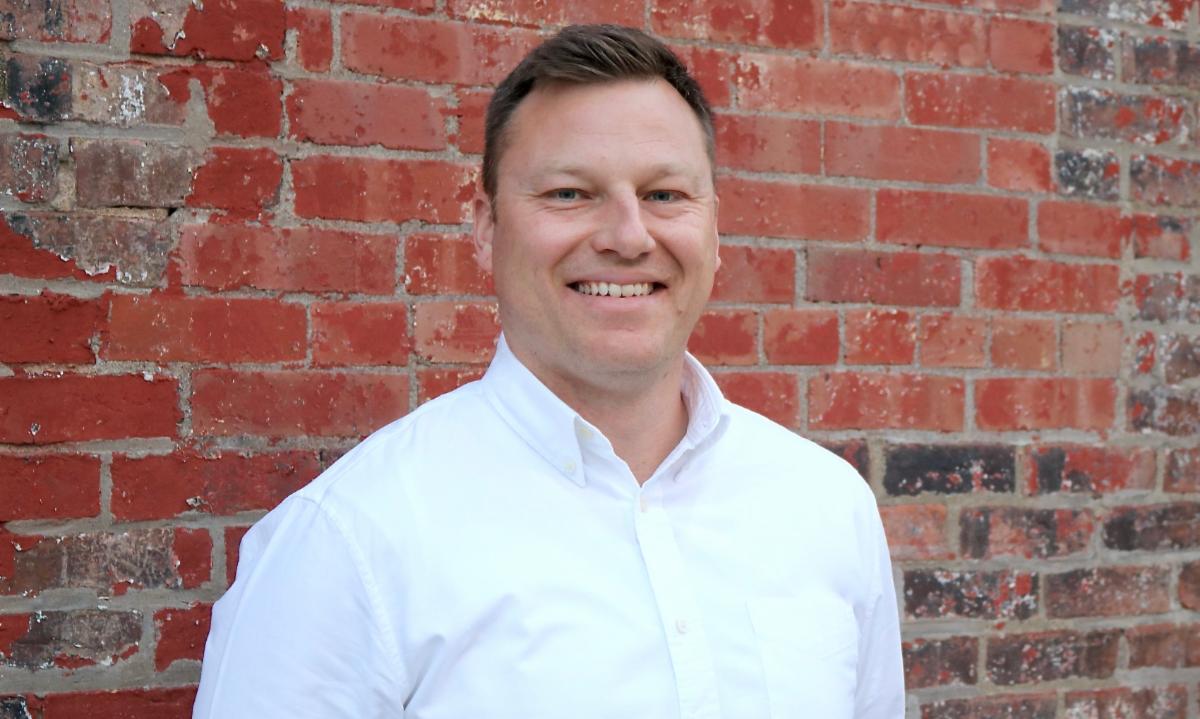
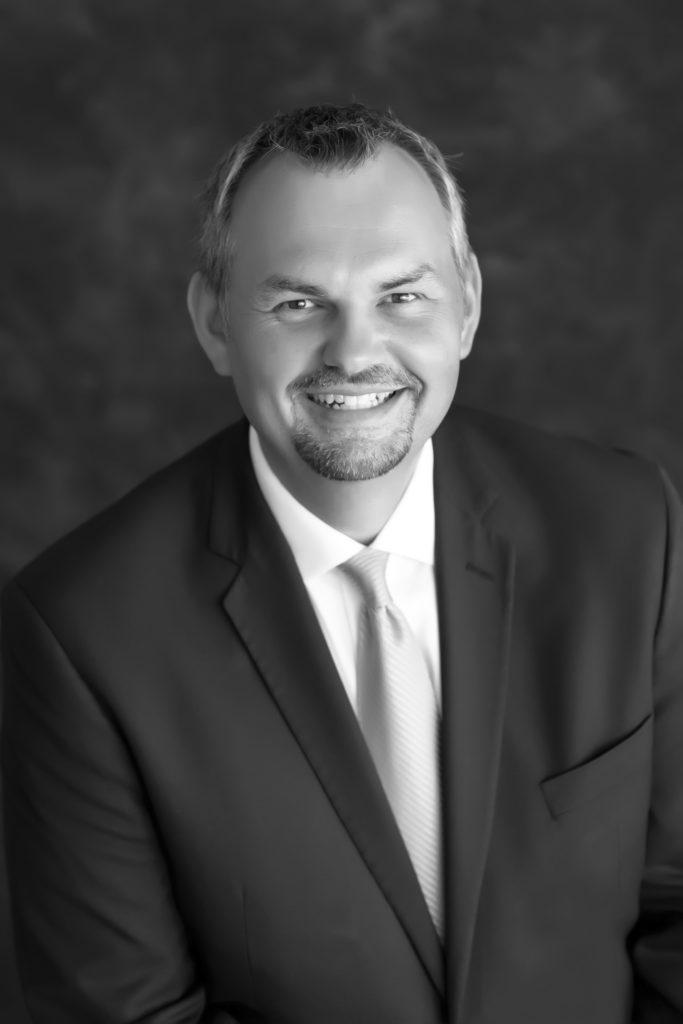
| Erik Reader Founder and president of Reader Area Development, Inc. (RAD), a consulting firm that helps small-town downtowns regain momentum when progress stalls. Through his work and the RAD Downtown Momentum Method, Erik helps communities identify where progress is getting stuck, strengthen local organizations, support small businesses, and focus on the actions most likely to move their downtown forward.
Erik brings more than 15 years of experience in downtown revitalization and economic development. Prior to launching RAD full-time, he served as Director of Illinois Main Street with Main Street America, where he supported a statewide network of downtown programs through training, technical assistance, and program development. |
|
| Where Downtown Momentum Gets Stuck Downtowns often stall not from lack of effort, but from efforts moving in different directions.
Downtown leaders fill their calendars with events, meetings, and discussions. Yet progress still feels slow or uneven. The same problems reappear. The same conversations recur. Energy rarely causes the issue; more often, something in the system blocks progress.
This interactive workshop helps communities identify and address obstacles that stall downtown progress. By using the Downtown Momentum Scorecard, participants will diagnose where momentum is getting stuck and gain insights for targeted action.
Instead of launching new programs or big initiatives, the workshop explores conditions that drive momentum: establishing clear direction, engaging businesses, coordinating partners, understanding physical assets, and increasing capacity to advance work.
Participants leave with a clear picture of their downtown’s momentum and a focused 90-day priority to pursue with their board, staff, and community partners. |
|
|
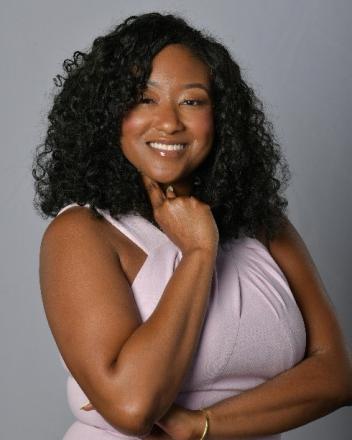
| Chandra Teddleton, PHD Program Officer at Main Street America. Chandra’s career is marked by an impressive blend of travel, education, and service. She has conducted research on the healthy development of children, adolescents, and families in low-income and ethnic minority communities. She also led a City health initiative that gained national recognition through the platform of former First Lady Michelle Obama. Passionate about the intersection of urban planning and fitness, Chandra had the opportunity to work with the National Park Service at both local and national levels, advancing initiatives that link public spaces with health and wellness. She received her Ph.D. in Urban Studies from the University of New Orleans.
Chandra’s professional experience includes serving as the Director of Project Management and Interim Senior Vice President of Strategic Neighborhood Development at the New Orleans Business Alliance. In these roles, she managed and implemented projects in the cultural, food systems, and tech sectors. Her work focused on retaining and supporting businesses in New Orleans while showcasing the city’s thriving cultural scene. Through her diverse and inclusive approach, Chandra continues to intertwine her experiences with the rich fabric of New Orleans’ food, music, and culture. |
|
| Communicating Unique Features Through Storytelling How are you communicating the story of your downtown and, more specifically, the value of the work you are doing? This session will help you understand why storytelling matters for community engagement, fundraising, and advocacy, and will help you identify the core elements of an effective story. You’ll learn how to elevate stories through interviews, business spotlights, and personal anecdotes. By sharing authentic voices and experiences from Main Street's work, stakeholders will believe in your mission and become stronger advocates for downtown revitalization.
|
|
|
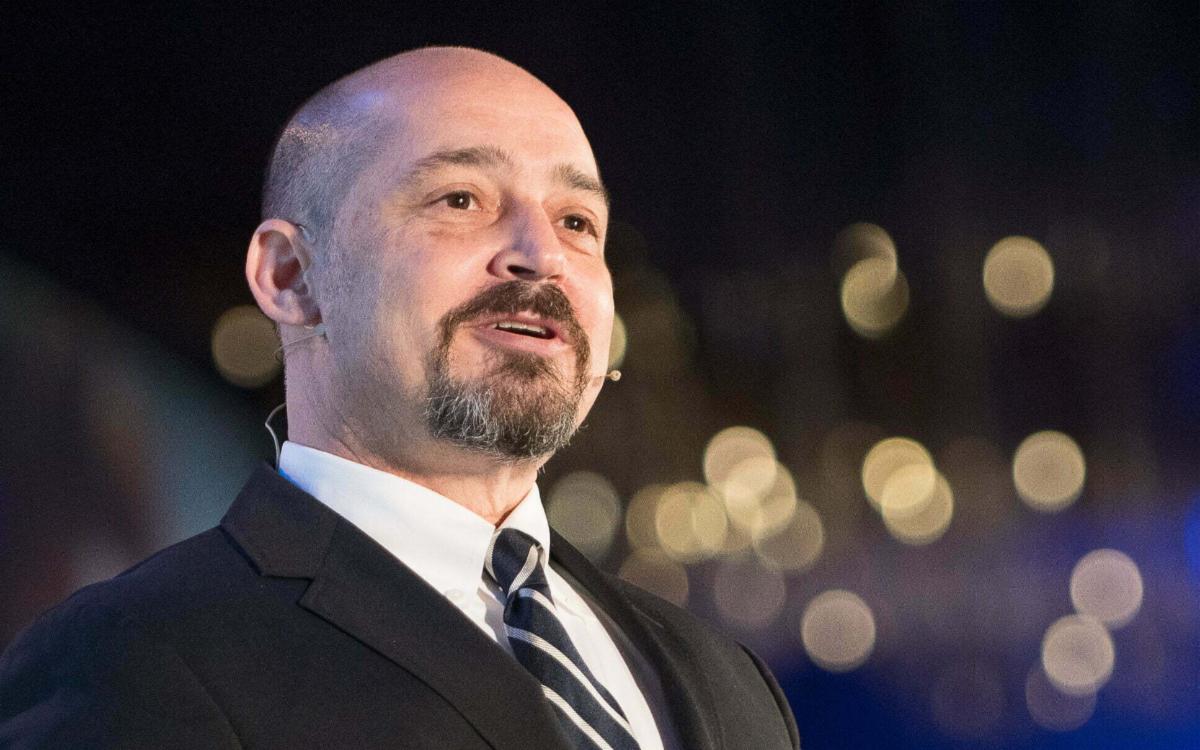
| Joe Minicozzi, AICP Founder and principal of Urban3 and pioneer of an approach to planning and city design called Geoaccounting. His presentations demonstrate how cities can use local data and simple math to understand the impact of development on their community's economic health. His case studies illuminate how cities and regions can better forecast fiscally sustainable development patterns. Recognized by Planetizen as one of the “Most Influential Urbanists” in 2017, his extensive speaking tours are interdisciplinary and address all levels of community and economic development. The lessons Joe shares come from places large and small and examine developments from a single parcel to region-wide analysis. Joe’s approach levels the playing field for audiences of all levels of expertise. Citizens, leaders, and community volunteers alike will enjoy his funny and engaging storytelling style as they learn how tax systems across the country are driving communities broke by design. |
|
| Keynote An urban designer who wants to help communities understand the economic impact of development and the benefits that come from Main Street. In addition to understanding Main Street's architecture, he has a knack for demystifying tax codes, government jargon, and municipal finance data.
Joe will present visualizations of the economics of cities, towns, and regions, and how public policy helps or hinders community design. This keynote will give you a better understanding of your main street and how to articulate its value to the community. In 2012, Joe founded a data-focused consulting company, Urban3, based in Western North Carolina. Urban3 was spun out of Public Interest Projects, a for-profit real estate development company focused on reinvigorating downtown Asheville. In addition, he served as executive director of the Asheville Downtown Association for 2 years. Urban3 embraces data and GIS mapping to highlight land-value economics, property and retail tax analysis, and to weave them into community design. While they have a vested interest in Asheville, Urban3 has consulted for cities both in the U.S. and abroad. Joe holds a Bachelor of Architecture from the University of Miami and a Master of Architecture and Urban Design from Harvard University. In 2017, Joe was recognized as one of the 100 Most Influential Urbanists of all time. |
|
|
|
|
|
| Kristen Reeder Founder of Legacy Leadership Coaching, a leadership development and HR consulting firm dedicated to helping leaders build thriving teams and lasting impact. With more than 25 years of experience in Human Resources—including five years as the Human Resources Director for the City of Auburn—Kristen has seen firsthand how the right culture can transform an organization from the inside out.
In addition to leading Legacy Leadership Coaching, Kristen serves as the Executive Director of Leadership Lee County, where she equips and connects emerging and established leaders to strengthen the local community.
She holds degrees in Human Resource Management and Management, Strategy, and Leadership, and is a Maxwell Team Certified Coach, Trainer, and Speaker. Kristen brings both practical expertise and a heart for people to every conversation, workshop, and coaching session. |
|
| Dealing with Difficult People: Conversations that work Most people try to manage difficult people. High-level leaders learn to manage their response, diagnose the behavior, and choose strategy over emotion. By the end of this keynote, participants will have actionable tools to successfully navigate interactions with confidence and professionalism.
Equipping and Empowering Local Programs for Success (Board Only Breakout) This interactive breakout session explores what it truly means to successfully equip and empower local program directors by focusing on motivation and encouragement practices beyond monetary compensation. |
|
|
|
|
|
| Joe Borgstrom An accomplished professional in the fields of Downtown Redevelopment, Community and Economic Development, Main Street and Placemaking. His 20 year career includes executive management, project financial structuring and evaluation, fund development, foreign direct investment recruitment, market research, program management, public speaking and consulting. He and his teams have used state and local incentives to leverage more than $2.2 billion in private investment into communities.
Borgstrom’s expertise is in the areas of retail market analysis, real estate redevelopment, real estate finance, business recruitment, strategic planning, incentives, and economic development strategy. He has served clients in communities as small as 700 residents to more than 400,000.
Borgstrom is a Certified Economic Development Finance Professional through the National Development Council. |
|
| Placemaking IS Economic Development “Placemaking IS Economic Development” challenges the outdated view that economic growth is driven solely by industry recruitment, showing instead how talent, entrepreneurship, tourism, and real estate all converge in place, especially downtowns. Using real-world data and case examples, this session shows how walkable, mixed-use, experience-driven environments are now the primary drivers of investment, talent attraction, and long-term economic value. Attendees will leave with a clearer understanding of how intentional placemaking directly translates into measurable economic outcomes and stronger, more competitive communities. |
|
|
| Paul Finley Graduating from Murray State University in Murray, Kentucky with a B.S. in Marketing. He has been in sales for over 25 years. Paul is the owner of Paul Finley Consulting, a company focused on Strategic Communication and team building.
In November 2008 Paul took over as the Mayor of Madison. Together with the Madison City Council and department heads Paul focused on quality of life improvements for the Madison residents. Multiple projects including the Madison Hospital, Hogan YMCA, James Clemens High School, Indian Creek Park Expansion, Target, and the Shoppes of Madison were all started and completed during his tenure. |
|
| A Mayor’s Perspective on Economic Vitality: Aligning Leadership, Small Business, and Quality of Life Funding for Economic Growth (Civic Leader Track) Economic development doesn’t start with incentives—it starts with community. In this session, former Mayor Paul Finley discusses how collaboration among elected leaders, the development of intentional partnerships, and the Main Street organization create strategies that support entrepreneurs, improve livability, and make communities more competitive for long‑term growth and job creation. |
|
|
|
|
|