Osteopathic Approach to Post-Thoracotomy Pain Syndrome |
|
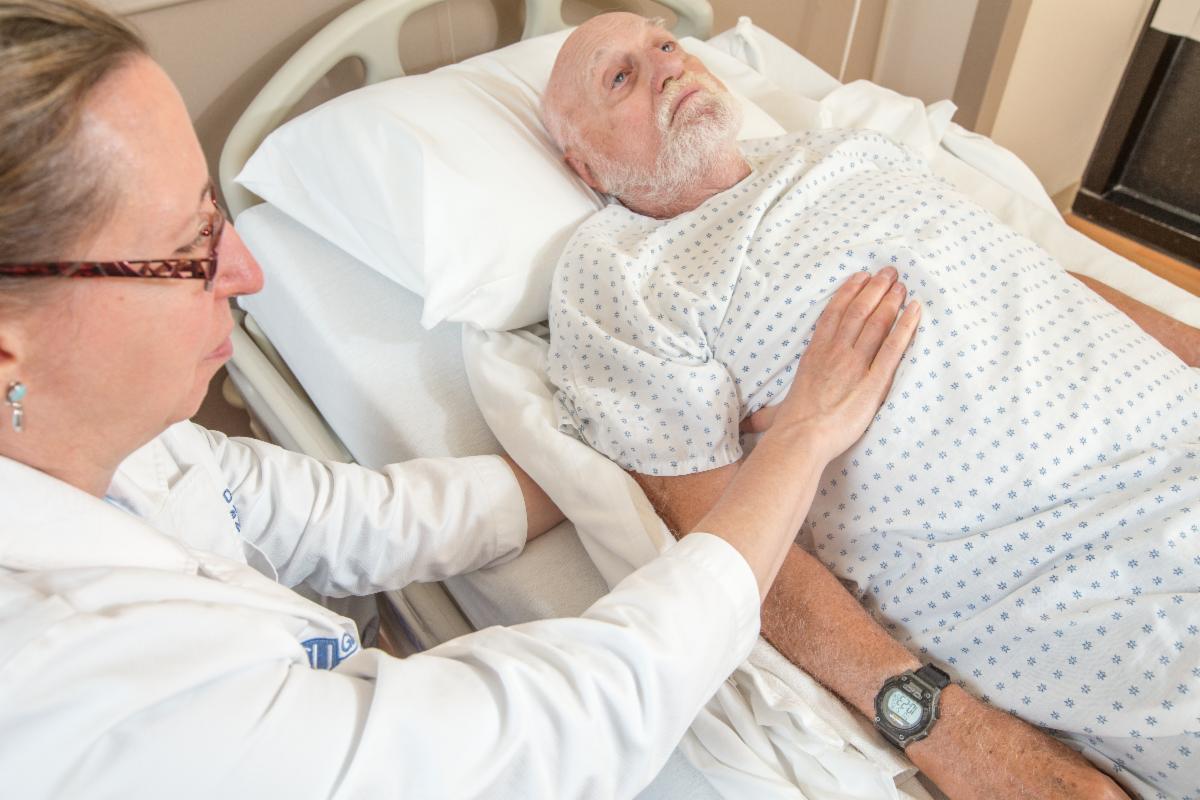
| Join us for our upcoming live workshop, Osteopathic Approach to Post-Thoracotomy Pain Syndrome, available both in-person and online. This session, part of our dedicated workshop series, focuses on the practical application of osteopathic principles and OMT techniques for managing post-thoracotomy pain.
This activity has been approved for a maximum of 2 AOA Category 1-A CME credits or 2 AMA PRA Category 1 Credits™. Registration is open through November 3, 2026, at 4:00 p.m. CST. Please note that all participants must register online, regardless of whether they are requesting CME credit.
The workshop is offered at no cost to ATSU-KCOM residents, students, and faculty, as well as NCOPPE and MAOPS members. A registration fee applies to non-members. |
|
| When Wednesday, November 4, 2026, from noon to 2:00 p.m. Central Where KCOM Blumenthal Lab and via Zoom 800 W. Jefferson St. Kirksville, MO 63501 |
|
 |
This workshop is available at no-cost for Still OPTI, NCOPPE, and MAOPS members. Non-members must register for a small fee. |
|
|
|
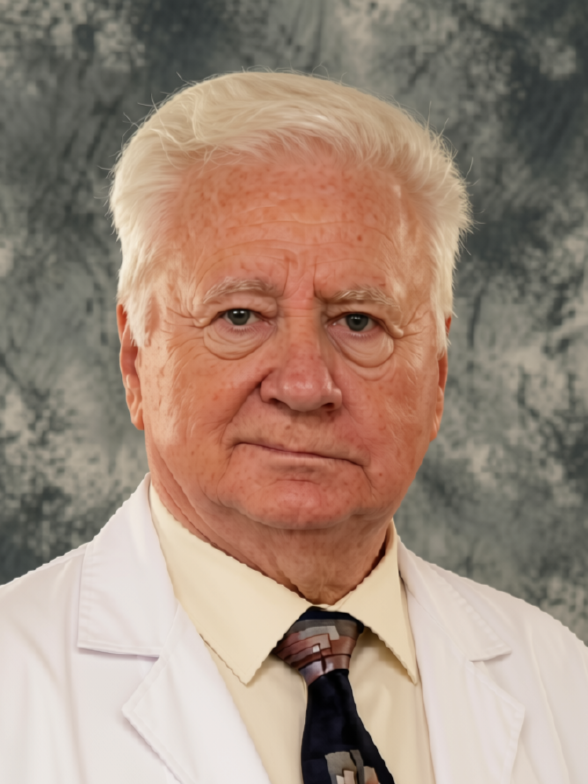
| Kent Blanke, DO Kent James Blanke, D.O., FACOS, DFACOS is a board-certified osteopathic surgeon with certifications in General Surgery, General Vascular Surgery, and Cardiovascular-Thoracic Surgery. He serves as Clinical Professor of Surgery at A.T. Still University Kirksville College of Osteopathic Medicine and is Director of Medical Education and Associate Designated Institutional Official at Northeast Regional Medical Center. Dr. Blanke is a Distinguished Fellow of the American College of Osteopathic Surgeons (ACOS), a member of the American Osteopathic Board of Surgery since 1998, and has held numerous national leadership positions in osteopathic medical education and surgery. An award-winning educator and mentor, he has received the AOA Mentor Hall of Fame recognition and multiple teaching and leadership awards for his contributions to osteopathic medicine, graduate medical education, and surgical training. |
|
|
|
|
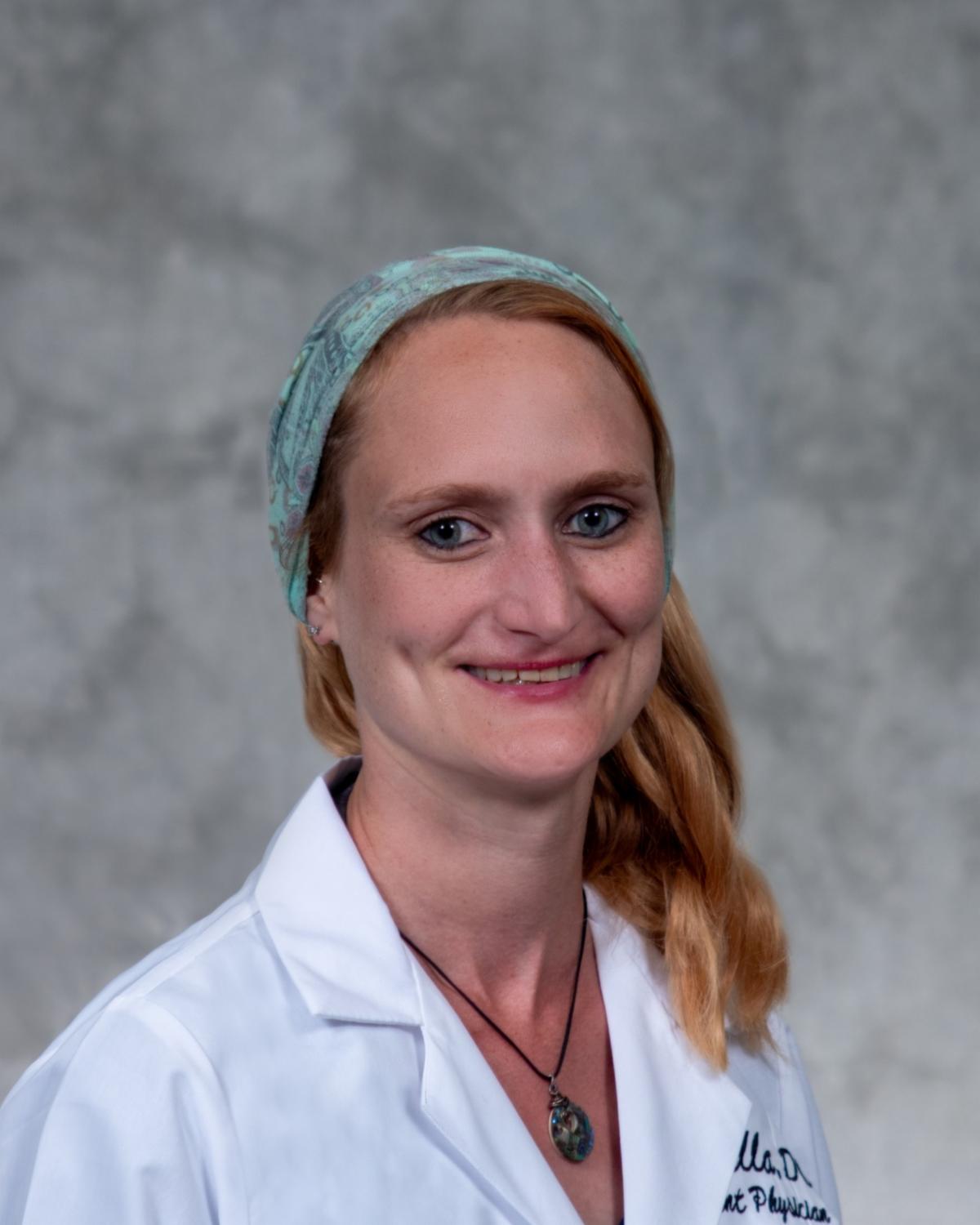
| Shelby Canella, DO
Shelby Canella, DO is a PGY-2 resident in the Osteopathic Neuromusculoskeletal Medicine (ONMM) Residency Program at Northeast Regional Medical Center in Kirksville, Missouri. She earned her Doctor of Osteopathic Medicine degree from Lake Erie College of Osteopathic Medicine in 2025 and completed her PGY-1 Family Medicine Rural Track training at Indiana Regional Medical Center. Dr. Canella's clinical interests include osteopathic manipulative medicine, neuromusculoskeletal medicine, rehabilitation, sports medicine, and preventive care. Prior to medical school, she earned a Master of Science in Integrative and Cellular Physiology from Indiana University Purdue University Indianapolis and has experience in rehabilitation medicine, dermatology, and patient-centered clinical care. |
|
|
| Karen Snider, DO Karen Snider, DO, FAAO, FNAOME, is a professor atA.T. Still University's Kirksville College of Osteopathic Medicine (ATSU-KCOM). Dr. Snider is board certified in Neuromusculoskeletal Medicine and Osteopathic Manipulative Medicine. She earned her Doctor of Osteopathic Medicine from West Virginia School of Osteopathic Medicine, and she completed her residency at Northeast Regional Medical Center. Dr. Snider has earned fellomhip awards from the American Academy of Osteopathy and the National Academy of Osteopathic Medical Educators.
|
|
|
| Course Description A two-hour live workshop telecast to ATSU-KCOM residents, students, and faculty, as well as NCOPPE and MAOPS members, that focuses on applying osteopathic principles in managing post-thoracotomy pain. Education Objectives This activity is designed to improve physician competence. Upon completion of this activity, participants will be able to:
- Define post-thoracotomy pain syndrome.
- Explain the pathophysiology, including the etiology, epidemiology, and risk factors of post-thoracotomy pain syndrome.
- Discuss the clinical manifestations and the physical examination findings of post-thoracotomy pain syndrome.
- Discuss management options for post-thoracotomy pain syndrome.
- Describe and administer the osteopathic manipulative treatment approach to management of post-thoracotomy pain syndrome and discuss the treatment goals of the various types of techniques.
|
|
| Target Audience ATSU-KCOM residents, students, and faculty, as well as NCOPPE and MAOPS members. |
|
| Professional Practice Gap As part of the osteopathic medical training, both the clinical preceptors (faculty) and physicians-in-training need to be trained on the application of osteopathic principles in clinical practice. Specifically, the application of osteopathic principles in the clinical management of lifestyle choices related to disease prevention. |
|
| Accreditation Statement Missouri Association of Osteopathic Physicians and Surgeons (MAOPS) is accredited by the American Osteopathic Association to provide osteopathic continuing medical education for physicians.
MAOPS designates this program for a maximum of 2 AOA Category 1-A CME credits and will report CME and specialty credits commensurate with the extent of the physician's participation.
The Missouri Association of Osteopathic Physicians and Surgeons (MAOPS) is accredited by the Accreditation Council for Continuing Medical Education (ACCME) to provide continuing medical education for physicians.
MAOPS designates this live activity for a maximum of 2 AMA PRA Category 1 CreditsTM. Physicians should claim only the credit commensurate with the extent of their participation in the activity.
This activity has been planned and implemented in accordance with the accreditation requirements and policies of the Accreditation Council for Continuing Medical Education (ACCME) through the joint providership of the Missouri Association of Osteopathic Physicians and Surgeons (MAOPS) and NCOPPE. MAOPS is accredited by the ACCME to provide continuing medical education for physicians. |
|
| Grievance Policy All grievances should be in writing and should specify the nature of the grievance. Initially, all grievances should be directed to MAOPS Executive Director, who will then forward said grievance to the Education & Convention Committee. All grievances will receive an initial response in writing within 30 days of receipt. If the participant does not receive a satisfactory response, then they can submit a complaint in writing to the Bureau of Osteopathic Education of the AOA at 142 East Ontario Street, Chicago, IL 60611. |
|
|
| 800 W. Jefferson Street Kirksville, MO 660-626-2717 atsu.edu/ncoppe |
|
|
|
|