Ethical Implications of Artificial Intelligence in Surgical Training and Practice |
This seminar examines the ethical implications of integrating artificial intelligence into surgical training and clinical practice. Panelists will discuss how AI-driven tools influence surgical judgment, skill acquisition, and intraoperative decision-making. The session will explore the intersections of responsibility, transparency, and equity. Support provided by the Oswald DeN. Cammann Fund at Harvard University. |
|
Friday, April 3, 2026
12:00pm - 01:00pm ET |
|
Virtual location You will receive a confirmation email with a URL. |
|
|
|
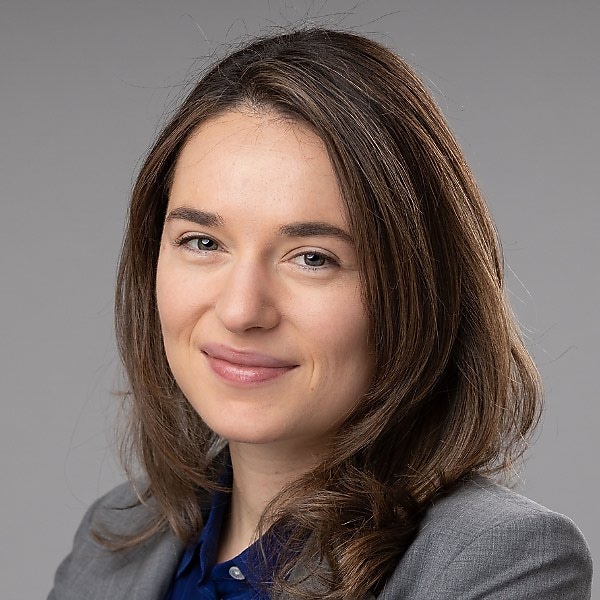
PRESENTER: Danielle Bitterman, MD Physician-scientist
Dr. Bitterman is a physician-scientist with unique expertise in AI and natural language processing. Her research is dedicated to incorporating technological advances in AI into intelligent electronic health systems to improve data-driven cancer care. Dr. Bitterman’s laboratory develops natural language processing methods that process vast amounts of data contained within electronic health records to provide insights individualized to each patient and facilitate more effective communication between patients, caregivers, and clinicians. This work includes automating information extraction from text across multiple clinical and biomedical domains and applying deep learning-based language models to support clinical decision-making and patient education. Dr. Bitterman’s clinical-translational efforts also include prospective clinical trials regarding the use of AI technologies in cancer care. Dr. Bitterman and her team have published multiple high impact articles on these topics in journals such as Nature Medicine, JAMA Oncology, Lancet Digital Health, and Nature Reviews Clinical Oncology. |
|
 |
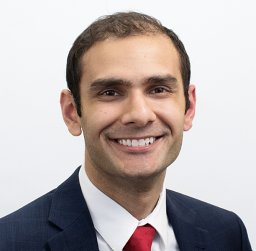
PRESENTER: Rohaid Ali, MD Neurosurgeon
Dr. Ali is the inaugural Spine Surgery Fellow in the Department of Neurosurgery at Harvard Medical School, with dual clinical appointments at Massachusetts General Hospital and Brigham and Women’s Hospital. His surgical practice spans the full spectrum of spine surgery, with particular focus on minimally invasive, oncologic, and robotic techniques. His academic work centers on advancing the integration of artificial intelligence into clinical care, ranging from innovations in informed consent to voice-reconstruction technologies for patients with neurological conditions. As a recipient of OpenAI’s Exceptional Health Research Grant, he collaborates on developing AI tools aimed at improving patient communication and safety. His research has been published in NEJM AI, JAMA Surgery, and npj Digital Medicine, and processes he has helped develop now support informed decision-making for tens of thousands of patients annually. His work has been recognized at the White House and featured by the Associated Press, NBC Nightly News, and The New York Times. |
|
|
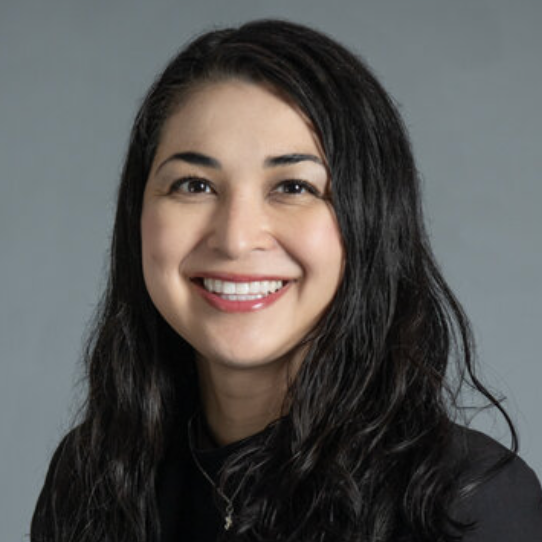
PRESENTER: Krystle Tuaño, MD Board-certified General Surgeon and Plastic and Reconstructive Surgeon
Dr. Tuaño is a board-certified General Surgeon and Plastic and Reconstructive Surgeon specializing in hand and upper extremity surgery, microsurgery, limb salvage, replantation, and peripheral nerve surgery. She provides comprehensive, multidisciplinary care for patients with complex injuries, with a focus on restoring function and improving quality of life. Dr. Tuaño also leads international collaborations on sport-specific upper extremity injuries in climbers through her work with the International Federation of Sport Climbing, focusing on injury prevention and long-term athlete health. Dedicated to education and mentorship, she supports trainees across levels and contributes to collaborative networks including the MGH Hand and Arm Research Collaborative and the Interdisciplinary Care for Amputees Network. She is active in leadership roles within the American Association for Hand Surgery, the American Society for Surgery of the Hand, and the American Society of Plastic Surgeons. |
|
|
|
|
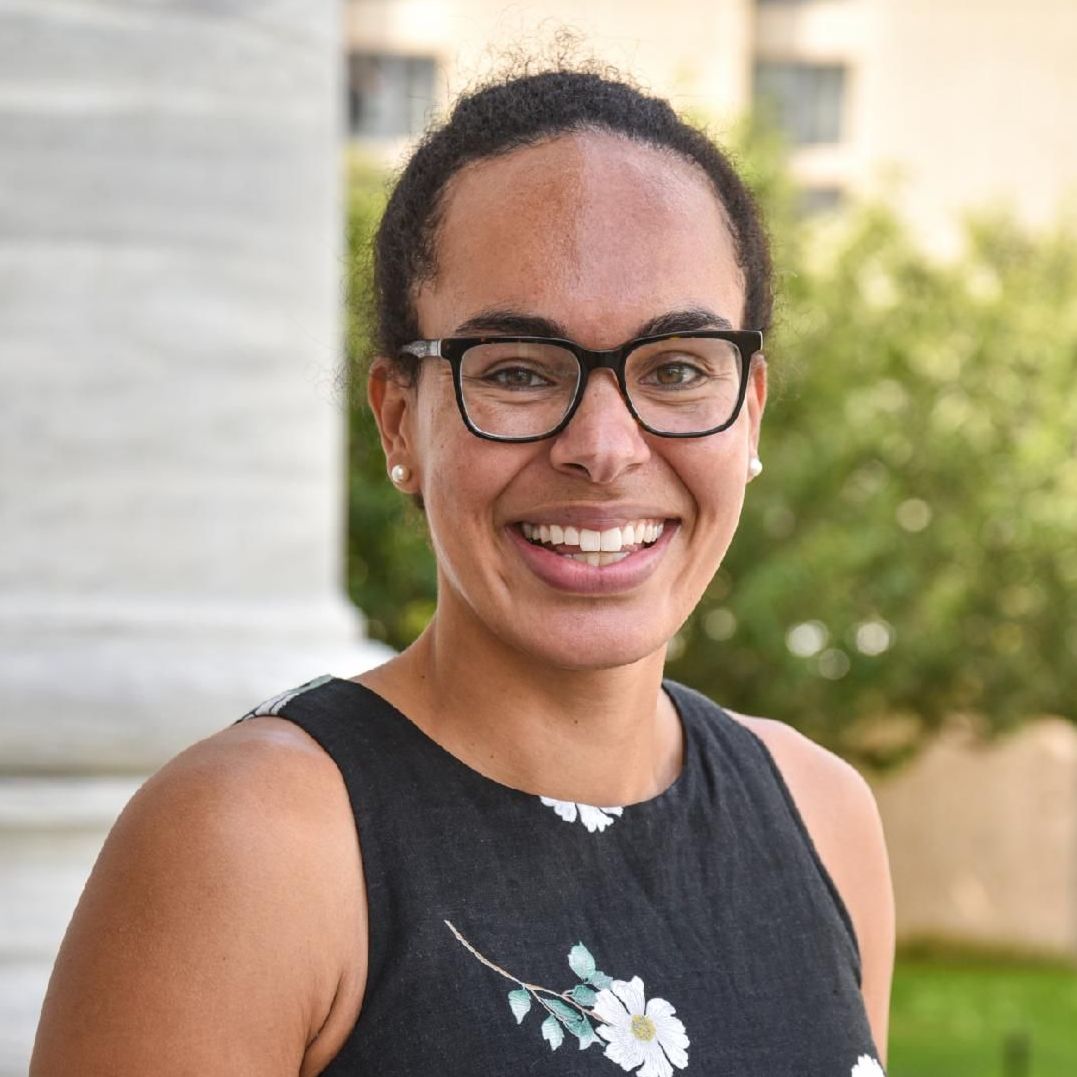
MODERATOR: Theresa Williamson, MD Neurosurgeon
Dr. Williamson, a neurosurgeon and bioethicist, specializes in spine disorders and brain and spinal trauma. Throughout her professional career, Dr. Williamson has prioritized clinical excellence, ethical leadership, and a commitment to advancing patient care. As Director of the CINNR, Dr. Williamson leads a collaborative initiative between Brown University Health, Brown University, and both commercial and government partners. Prior to joining Brown University Health, Dr. Williamson held several leadership roles. She served as Chair of the Surgical Ethics Working Group at the Harvard Medical School Center for Bioethics and was Director of the Minimally Invasive Spine Service at Massachusetts General Hospital. At Mass General Brigham, she led the Neurotech Justice Accelerator, a Dana Center initiative. She continues to direct this program as part of a joint effort between Brown Health and Massachusetts General Hospital. Dr. Williamson is an active member of several professional organizations including the American Association of Neurological Surgeons, Women in Neurosurgery (WINs), and the Society for Minimally Invasive Spine Surgery. |
|
|
|
|
|
|