|
|
Rethinking ABA: Supporting Brain-Based Differences with Compassion and Science |
Discover how Applied Behavior Analysis (ABA) can be both helpful and challenging for children with Fetal Alcohol Spectrum Disorder (FASD). This training offers a foundational look at ABA while emphasizing the importance of a brain-based, compassionate approach. Learn practical strategies, common pitfalls, and the importance of adapting ABA for neurodiverse learners and how caregivers can be empowered to make informed, individualized decisions regarding thearpy. Ideal for caregivers, educators, and professionals. |
|
|
| Monday, September 29, 2025 1:00 pm - 2:30 pm EST 12-1:30pm CT, 11-12:30 MT, 10-11:30 PST Cost: FREE $10 for CEs for Florida LCSW, LMHC, LMFT, and CMSW |
|
|
DESCRIPTION: Caregivers of children with Fetal Alcohol Spectrum Disorder (FASD) are often recommended Applied Behavior Analysis (ABA) as a support option yet experiences with ABA can vary widely. While ABA can be a helpful approach for many individuals, its effectiveness may be limited, or even counterproductive, when FASD is not fully recognized and supported within the therapy approach. This training provides a foundational overview of ABA and highlights key considerations and common challenges that may arise when providers or caregivers are not equipped with a brain-based understanding of FASD. Through this lens, we will explore behavior more compassionately, share practical strategies, and dispel persistent myths about ABA, especially the misconception that it is only for autism. Designed for families, educators, service providers, and ABA professionals, this training aims to empower participants to make informed, individualized decisions and better support neurodiverse learners.
Learning Objectives:
- ABA must be individualized – While Applied Behavior Analysis can be effective, children with FASD often need slower pacing, visual supports, and relationship-based strategies due to unique brain-based challenges.
- Understanding the brain matters – Success depends on how well ABA aligns with a child’s neurological profile; flexibility, consistency, and attention to executive function are essential.
- Parents play a key role – Caregivers should be equipped to ask informed questions and advocate for ABA providers who understand FASD and offer personalized, compassionate care.
|
|
|
|
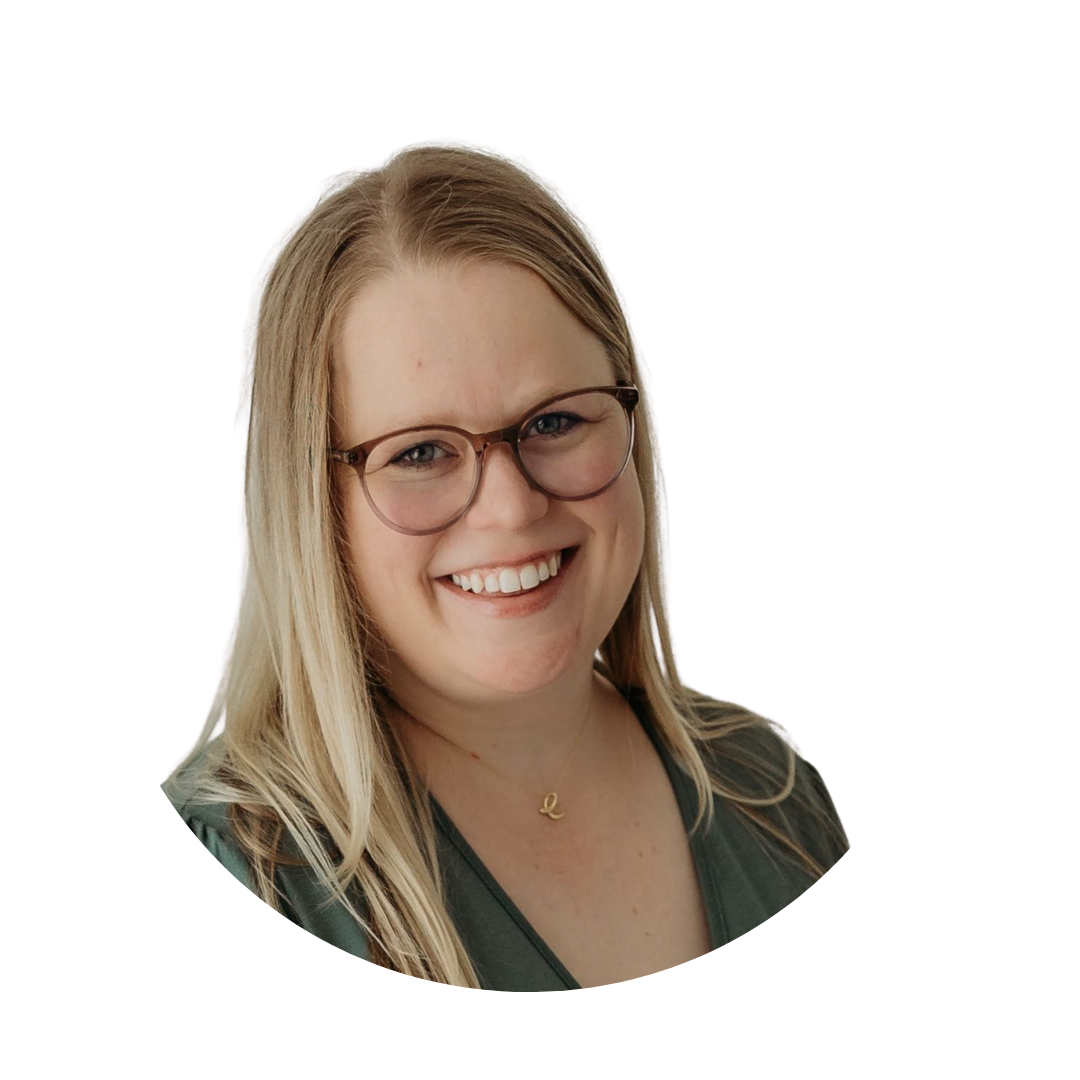
Sydney Finkenbine, M.Ed., BCBA, LBA, COBA , ALL Integrated YOU & CAMP - A FASD Community
Sydney is a Board Certified Behavior Analyst (BCBA), former foster parent to teens, many of whom were impacted by Fetal Alcohol Spectrum Disorders (FASD), and the co-founder of ALL Integrated YOU, a program committed to accessible, lifelong and local support. She also serves as the Behavioral Health Director at CAMP - A FASD Community, where she leads a dedicated team to create supportive, enriching experiences that help youth have the best week of their lives. Sydney is deeply committed to trauma-informed care, family collaboration, and elevating the voices of those with lived experience. Originally from Chicago and now a proud Michigander, Sydney loves spending time with her wife, son, and their two pups. Together, they enjoy exploring local cuisine, discovering new walking trails, and learning new board games. |
|
|
|
|
Dr. Emma Thomas, Ph.D., BCBA-D, LBA ALL Integrated YOU - A FASD Community
Emma is a Board Certified Behavior Analyst-Doctoral (BCBA-D) and co-founder of ALL Integrated YOU. With over 18 years of experience, she has worked with individuals with disabilities in a wide range of settings. Emma is dedicated to achieving meaningful, person-centered outcomes and is passionate about using evidence-based practices to enhance quality of life and foster independence for the individuals and families she supports. Originally born in Finland, Emma now lives in Michigan with her husband, their baby daughter, and their dog. In her free time, she enjoys discovering new restaurants, spending time with family, and traveling.
|
|
|
|
|
Contact information via links:
|
|
|
|
|
|
|