You don't want to miss this.
[[trackingImage]]


Nov 05

Seeing the Invisible: Molecular Machines at Work with Prof. David Jeruzalmi

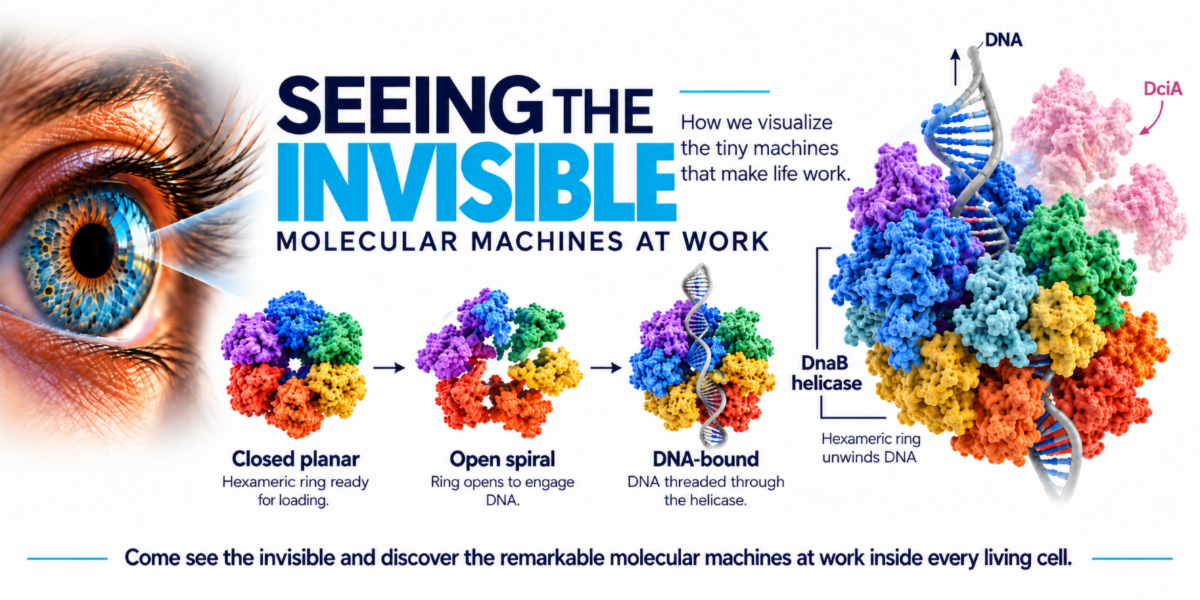
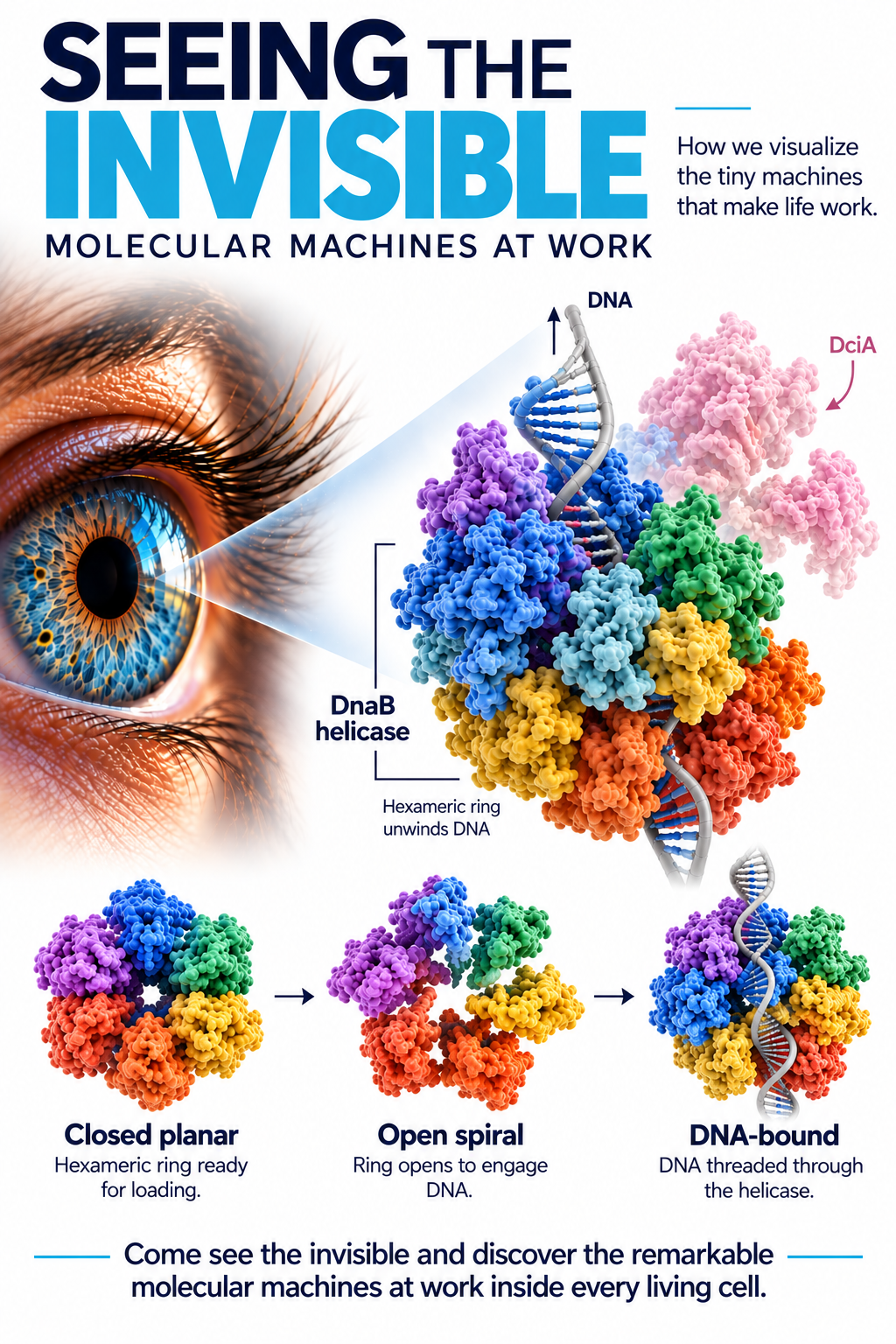
Join the CCNY Alumni Association’s Washington, DC Chapter on Nov. 5 for a talk with CCNY Professor of Chemistry & Biochemistry David Jeruzalmi on how scientists visualize the molecular “machines” inside our cells—how they move, interact, repair DNA, sustain life, and deepen our understanding of health, disease, and new medicines.

Arrive by 7:15 PM for light refreshments and networking. Free parking; show your ticket/event flyer at the Riderwood gate.

Reservations: $20/person (tax-deductible) for non-Riderwood residents. Financial assistance available; email kaplan@starpower.net.

Chesapeake Room, Montgomery Station at Riderwood Village
3120 Gracefield Road, Silver Spring, MD 20904
View on map

Thursday, November 5, 2026 07:30pm

Add to Google · Outlook Web · Outlook Mobile · Yahoo · iCal


$20.00

Please contact Harvey or Naomi Kaplan, 301-520-4260, kaplan@starpower.net, if you have any questions about this event.

ABOUT OUR SPEAKER

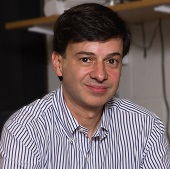
David Jeruzalmi is a Professor of Chemistry and Biochemistry at The City College of New York (CCNY). He earned his Bachelor of Science in Chemistry from the University of Cincinnati in 1987 and holds a Ph.D. in Molecular Biophysics and Biochemistry from Yale University. Professor Jeruzalmi’s research focuses on the structural and biochemical mechanisms underlying DNA replication and repair. His laboratory employs X-ray crystallography and electron microscopy techniques to investigate these essential biological processes. In addition to his research, Professor Jeruzalmi teaches at CCNY and the Graduate Center of the City University of New York. He also directs the Biochemistry, Biophysics, and Biodesign (B3) Research Experience for Undergraduates (REU) program and co-directs the Opportunities in Research and Creative Arts (ORCA) at CCNY; both programs provide undergraduate students with summer research opportunities. He also co-leads the On-Ramp to the Molecular Machine Shop: Postbaccalaureate Training in Biochemistry, Biophysics, and Biodesign program. Dr. Jeruzalmi has published numerous peer-reviewed articles in prestigious scientific journals, including Nature, Science, Cell, Nucleic Acids Research, eLife, and the Proceedings of the National Academy of Sciences. His research has been continuously supported by grants from major funding agencies, including the National Institutes of Health and the National Science Foundation, reflecting the significance and impact of his work. 

MORE INFORMATION ABOUT THE PRESENTATION

Life depends on countless molecular machines working inside every cell. Proteins repair damaged DNA, copy genetic information, generate energy, transport materials, build cellular structures, and carry out the chemical reactions that keep us alive. Yet these machines are extraordinarily small—millions could fit across the head of a pin—and many of their movements happen in millionths or even billionths of a second. How can we possibly see what they are doing?


In this lecture, I will explore how scientists have learned to make this invisible molecular world visible. We will look at some of the remarkable tools that allow us to determine the three-dimensional shapes of biological molecules and capture them at different moments as they work. Much like assembling individual frames of a movie, these molecular snapshots can reveal how tiny machines move, interact, and carry out their jobs.


Using examples from our own research, I will show how we can watch molecules recognize one another, use energy, change shape, and work together. What emerges is a very different picture from the fixed molecules we often see in textbooks. The molecules of life are constantly moving. Their motions and interactions are fundamental to how they work. Along the way, we will explore techniques that allow scientists to investigate a world far too small to see with our eyes—or even with an ordinary microscope.


Ultimately, the goal is not simply to discover what molecules look like, but to understand how they work. Seeing life at this scale can help us understand how healthy cells function, what goes wrong in disease, and how this knowledge can help us develop new medicines.


Come see the invisible and discover the remarkable molecular machines at work inside every living cell. 

-David Jeruzalmi