You don't want to miss this.
[[trackingImage]]

Apr 22

From Symptoms to Solutions: Clinical Cases and Data Science in Vestibular Care

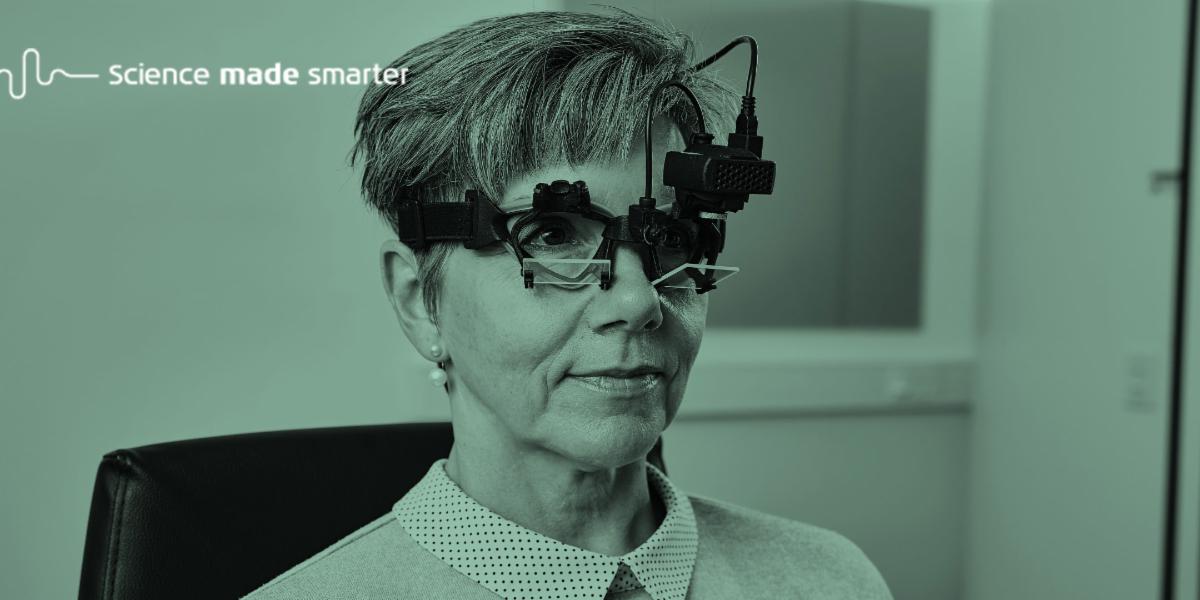
This intermediate, two-day course explores a wide array of vestibular diagnostic and treatment options using case-oriented presentations. A variety of central, peripheral, and functional cases will be presented, allowing participants to interact throughout. Content includes the latest trends in vestibular research and new technologies in vestibular diagnostics and assessment, including saccadometry, the functional vision head impulse test (fvHIT), and cervical gaze and smooth pursuit neck torsion tests.

University of Michigan - Taubman Health Sciences Library, Room 2955
1135 Catherine Street, Ann Arbor, MI 48109
View on map

Thursday, April 22, 2027 08:30am CT - Friday, April 23, 2027 05:00pm CT

Add to Google · Outlook Web · Outlook Mobile · Yahoo · iCal

$450.00

Cases include both peripheral vestibular disorders such as BPPV and Meniere’s disease as well as central disorders such as stroke and multiple sclerosis. Attendees will learn how to

  •  Identify which vestibular tests are the most appropriate ones based on the patient history
  • Determine the site of lesion based on the review of the clinical findings
  • Determine the most likely diagnosis and be able to discuss differential diagnosis based on the history and clinical findings
  • Determine the best management options based on the patient’s final diagnosis 


Intended Audience

This course is appropriate for audiologists, students, physical therapists, physicians, and other healthcare professionals that diagnose and treat vestibular disorders.  


Course instructional level: Intermediate

Fee: $450 (includes lunch)

Educational Credits: TBD


Early Registration Recommended

Class size will be limited to increase opportunities for engagement, personalized attention, and a more intimate learning environment.

Course Presenters

Devin L. McCaslin, Ph.D., is the Clinical Director of Communication Sciences and Disorders at Michigan Medicine. He also serves as Professor in the Department of Otolaryngology–Head and Neck Surgery at the University of Michigan and holds an adjunct faculty appointment at Rush University. Dr. McCaslin’s research focuses on vestibular diagnostics, fall prevention, and development of outcome measures for patients with hearing and balance disorders. His work has been funded by the NIH, Department of Defense, and several industry partners. He has authored over 100 peer-reviewed publications and has held leadership roles on national committees within the American Academy of Audiology, ASHA, and the Barany Society. Dr. McCaslin was honored with the Jerger Career Award for Research in Audiology and the Honors of the Association from ASHA. He is an active clinician, educator, and speaker, known for advancing patient-centered approaches to vestibular care.

Batoul Berri headshot

Batoul Berri, Au.D., is a pediatric and vestibular audiologist at the University of Michigan–C.S. Mott Children’s Hospital and the coordinator of the Neurovestibular Research Lab. She earned her Au.D. from Wayne State University and is currently a Ph.D. candidate in vestibular hearing science. Her research focuses on early feasibility studies in pediatric vestibular assessment and emerging approaches to vestibular intervention. In her clinical work, she provides pediatric diagnostics and (re)habilitative care, along with vestibular assessments for both pediatric and adult populations.

Interacoustics is approved by the American Academy of Audiology to offer Academy CEUs for this activity. Attending is worth a maximum of TBD. Academy approval of this continuing education activity is based on course content only and does not imply endorsement of course content, specific products, or clinical procedure, or adherence of the event to the Academy’s Code of Ethics. Any views that are presented are those of the presenter/CE Provider and not necessarily of the American Academy of Audiology.

American Academy of Audiology CEU logo