| ADDITIONAL DETAILS AFTER REGISTRATION.
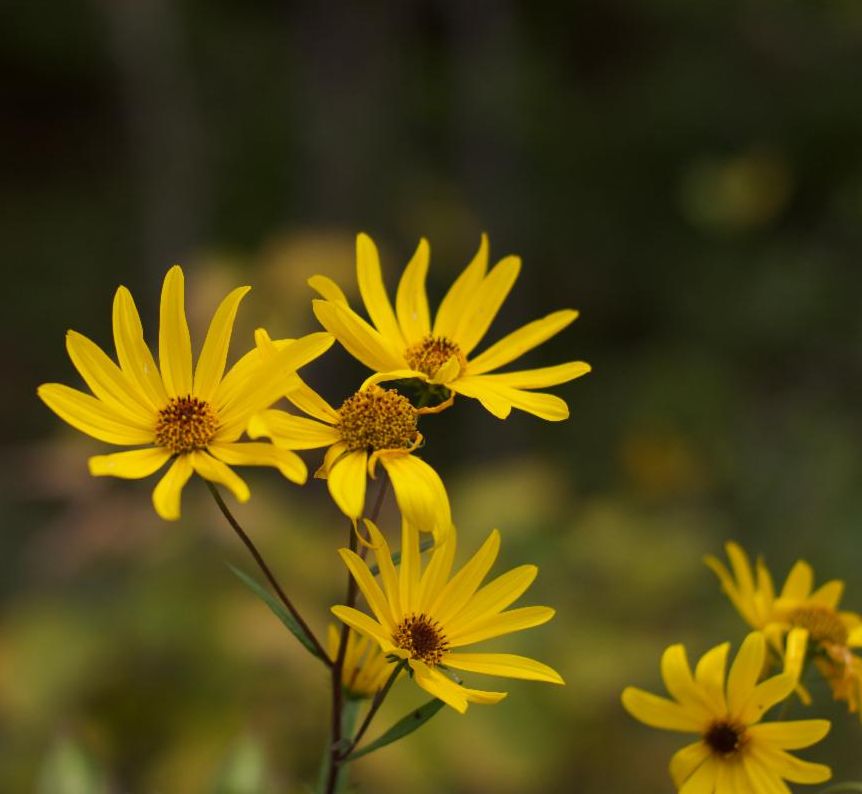
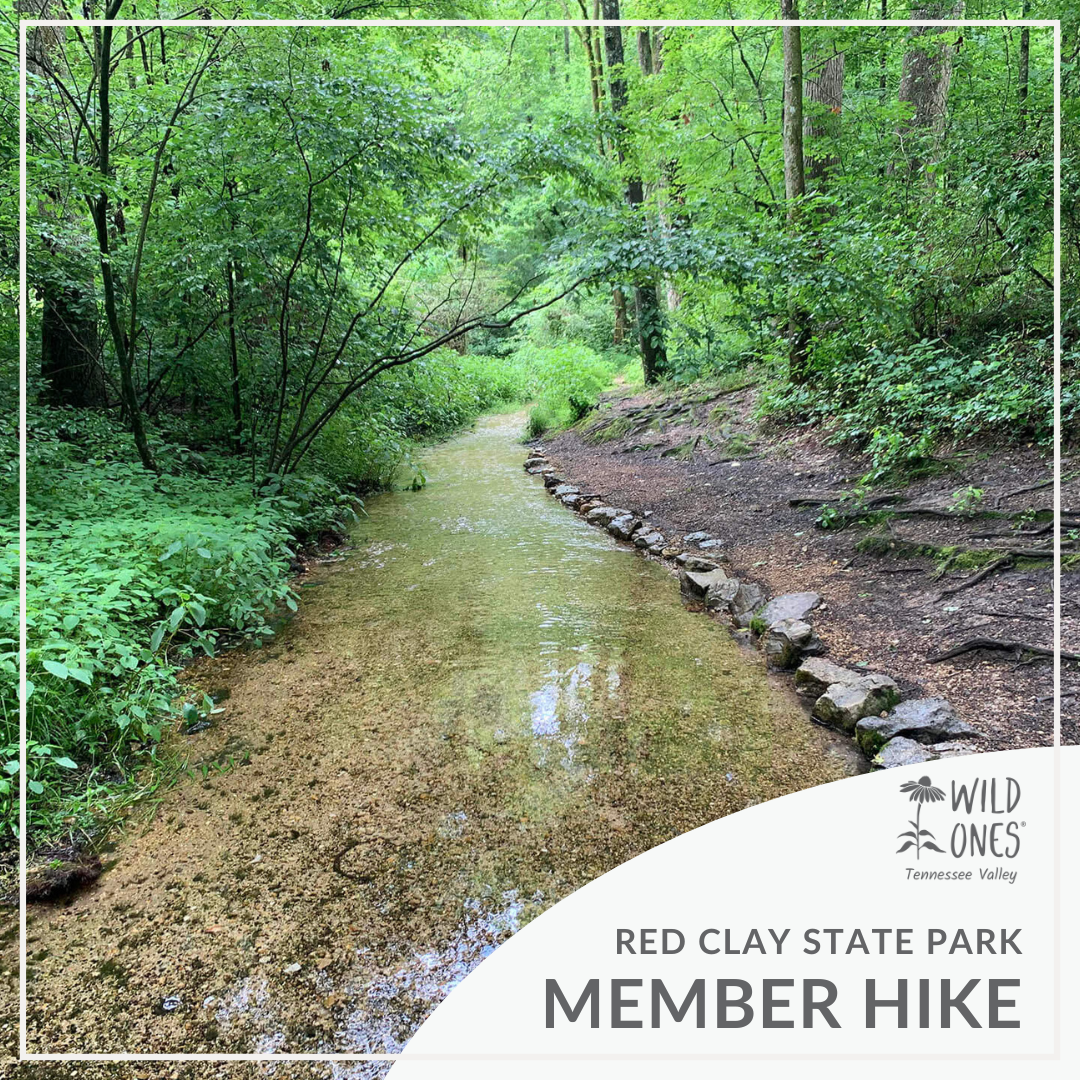
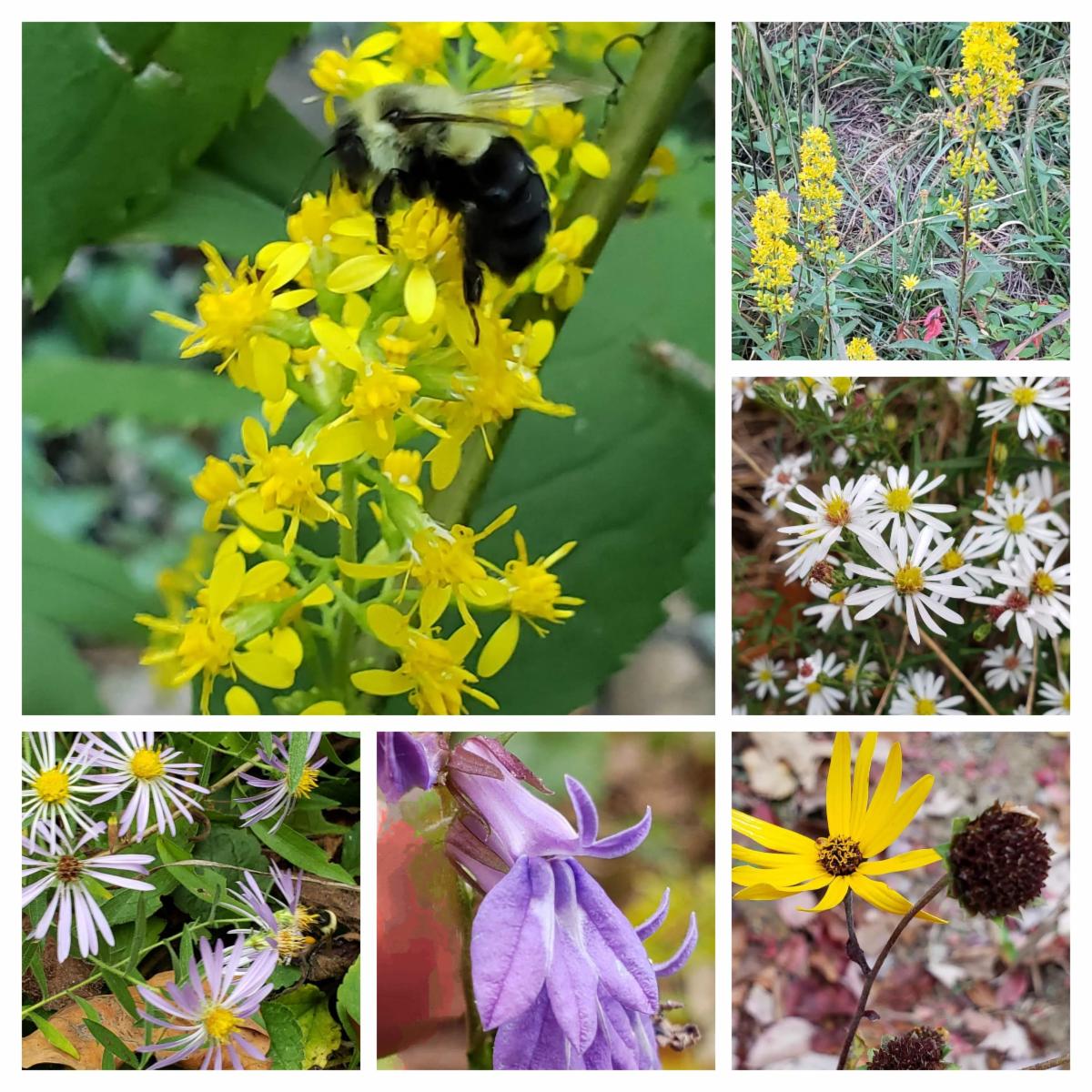
Hike Description: Join Wild Ones members with hike leader, Zach Irick, as we explore a mix of prairie, savanna and wooded habitat of Red Clay State Historic Park. As the last capital of the Cherokee Nation, from 1832-1838, the Red Clay site is considered sacred to the Cherokee. Red Clay was used as national Council Grounds in the last efforts to keep their ancestral homelands. Bordering on Georgia, the Tennessee site was used as farmland after their forced removal, but eventually the grounds were purchased for preservation, its history further studied, and was then transferred to the state. The park was formed in 1972, but only opened to the public in 1979. Ongoing efforts maintain upland woods, limestone seeps and grassland communities here. Eventual restorations of Cherokee structures were built on site adjacent to a large prior agricultural field. It is there where you will now find the grassland trail, which, along with a short Blue Hole Spring trail, will be our focus. Located near the entrance to the park, we’ll plan an easy stroll along mostly flat prairie on a mowed loop trail along the grassland and a bordering tributary. Since managing with controlled burns or mowing to knock back trees, invasive exotics and native shrubs/vines/brambles, a multitudes of pollinators and their required host and nectar species have thrived here. An impressive display of wildflowers and shrubs exhists along the Mill Creek tributary including interior bushy St Johnswort (Hypericum interior), red chokeberry (Aronia arbutifolia), buttonbush (Cephalanthus occidentalis), purple false foxglove (Agalinis purpurea), side-flowerinng skullcap (Scutellaria lateriflora), common axil-flower (Mecardonia acuminata), taperleaf waterhorehound (Lycopus rubellus), wingleaf primrose-willow (Ludwigia decurrens), lax hornpod (Mitreola petiolata), Viginia meadowbeauty (Rhexia virginica), marsh coneflower (Rudbeckia palustris), swamp sunflower (Helianthus angustifolius), narrow-leaved loosestrife (Lysimachia quadriflora), rust weed (Polypremum procumbens), Allegheny monkeyflower (Mimulus ringens), and more. Of note, the endangered (S1, G2) swamp lousewort (Pedicularis lanceolata) is reported as surviving here. Many additional interesting wetland grass-like species have been identified by our friends at SGI. In the adjacent woodland area, which includes the Council Spring (Blue Hole Spring), drier soils additionally support southern sugar maple, red mulberry, beech, several oak species, persimmon, sourwood, winged and American elm, black gum and many woodland spring ephemerals like bashful wakerobin (Trillium catesbaei). Also dwarf palmetto (Sabal minor), white turtlehead (Chelone glabra), cardinal flower (Lobelia cardinalis) and cutleaf coneflower (Rudbeckia laciniata) thrive at outflow from the spring. Red Clay State Historic Park is the site of the last seat of the Cherokee national government before the 1838 enforcement of the Indian Removal Act of 1830 by the U.S. military. As such, the annual Cherokee Cultural Celebration is held here each August, which I highly recommend. You also may want to explore the James F. Corn Interpretive Facility. It contains exhibits on the 19th Century Cherokee, the Trail of Tears, Cherokee art, a video theater, gift shop, small library, a new artificial intelligence avatar interactive exhibit and the Eternal Flame, which is a memorial for the Cherokee people and those who were lost on the Trail of Tears.
Hike Leader: Zach Irick is the Southern Appalachian Grassland ecologist/botanist for Southeastern Grasslands Institute (SGI), with extensive experience in our region and beyond. He’s an active guide for botanical outings with Wild Ones, SGI, and the GSM Wildflower Pilgrimage, as well as advises and coordinates with the Chattanooga City Parks and others in our region in discovery, restoration and recovery of remnant native grasslands.
Rating: Easy. Loop, exploration and spur trails
Distance: 1-2 miles of explorations.
Duration: Approximately 4 hours for exploration, photography and discussion, not including optional time at interpretive center.
General waiver. Bring snack/water, insect repellent, sunscreen, appropriate shoes for an easy trail, binoculars for migrant birds and out of reach flora. Either bring a lunch for the end or on your own off site after hiking. No pets at any of our Wild Ones hikes please.
Links: iNaturalist Red Clay, TN State Parks, Wikipedia |