|
| AIAA LA 6/28 Section (Town Hall) Meeting (A hybrid event: In-person and online attendance) Saturday, June 28, 2025, 10:30 AM PDT (GMT -0700) |
|
(6/28) AIAA LA Planetary Defense and Asteroid Exploration mini-Conference 2025 |
Dear All,
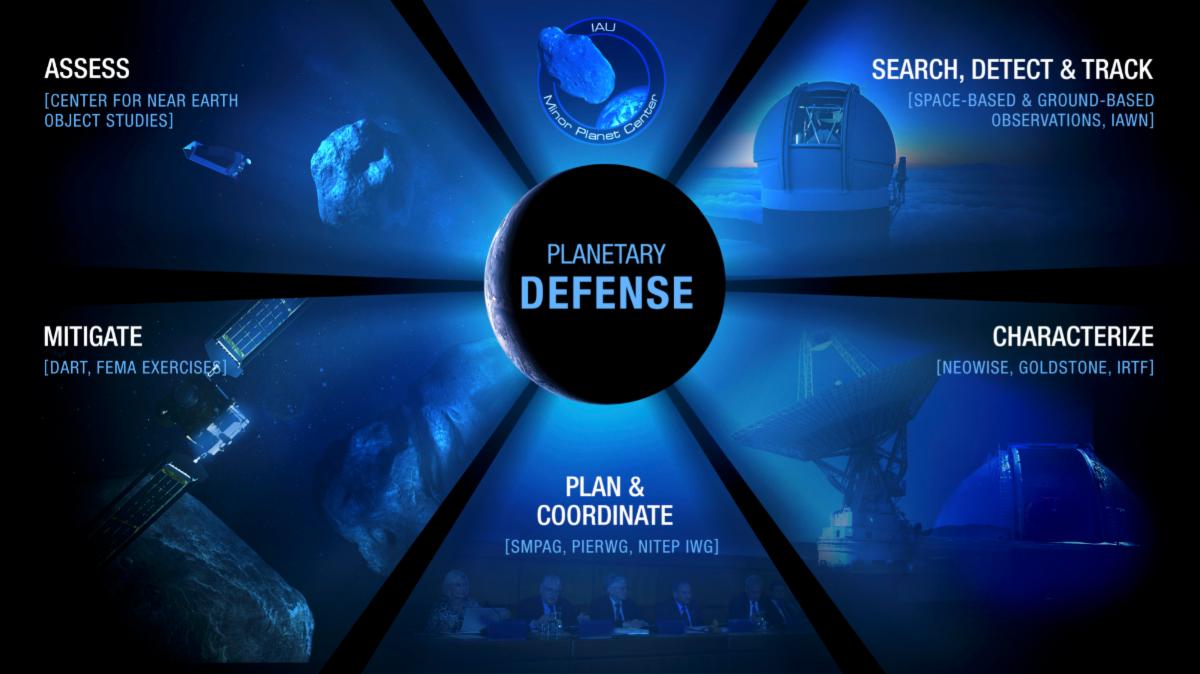
Please join us for the AIAA LA Planetary Defense and Asteroid Exploration mini-Conference 2025 on Saturday June 28, 2025 at the Culver City Julian Dixon Library, Culver City, CA or online. This event is open to the public.
The event starts at 10:30am PDT, continuing hybrid and available online as well. All are invited to join online or in person and to meet and interact with the leaders and practitioners of Planetary Defense an Asteroid Exploration. |
|
Culver City Julian Dixon Library (Meeting Room)
4975 Overland Ave., Culver City, CA 90230
View on map
Virtual location You will receive a confirmation email with a URL. |
|
Saturday, June 28, 2025
10:30am - 05:30pm PT |
| Disclaimer: The views of the speakers do not represent the views of AIAA or the AIAA Los Angeles Section. This event is not sponsored by the Culver City Julian Dixon Library. |
| Tentative Agenda: (All Times PDT ) (GMT -0700) (U.S. and Canada) 10:00 AM PDT: Check-in; Networking Morning Session 10:30 AM PDT: Welcome 10:35 AM PDT: Dr. Andrew Rivkin: Planetary Defense After DART: What Have We Learned, and What Comes Next? 11:30 AM PDT: Dr. Nahum Melamed: Progress on Planetary Defense and Asteroid Exploration 11:50 AM PDT: Phil Groves: Asteroid Hunters 12:10 PM PDT: Lunch Break; Networking (Lunch on guests’ own, not provided by AIAA LA Section) Afternoon Session 01:00 PM PDT: Brent W. Barbee and Adrienne Rudolph: Asteroid Disruption for Planetary Defense and the TERP RAPTOR Mission to Apophis 02:00 PM PDT: Dr. Marina Brozovic: Apophis and other closely approaching asteroids in the next decade 03:00 PM PDT: Dr. Isaiah Santistevan: Simulating asteroid deflection and disruption with a nuclear device 04:00 PM PDT: Joe Carroll: Cheaper by the Dozen: Solar-Sailing Nanosats for Small-Body Missions 04:30 PM PDT: Madhu Thangavelu: LOSSOL: Line of Sight Speed of Light Directed Energy Planetary Defense Technology 05:00 PM PDT: Dr. Nahum Melamed: Opportunities and Future of Planetary Defense and Asteroid Exploration (Or, additional speaker(s)) 05:30 PM PDT: Meeting room closes. 06:00 PM PDT: Library closes. |
|
|
|
|
|
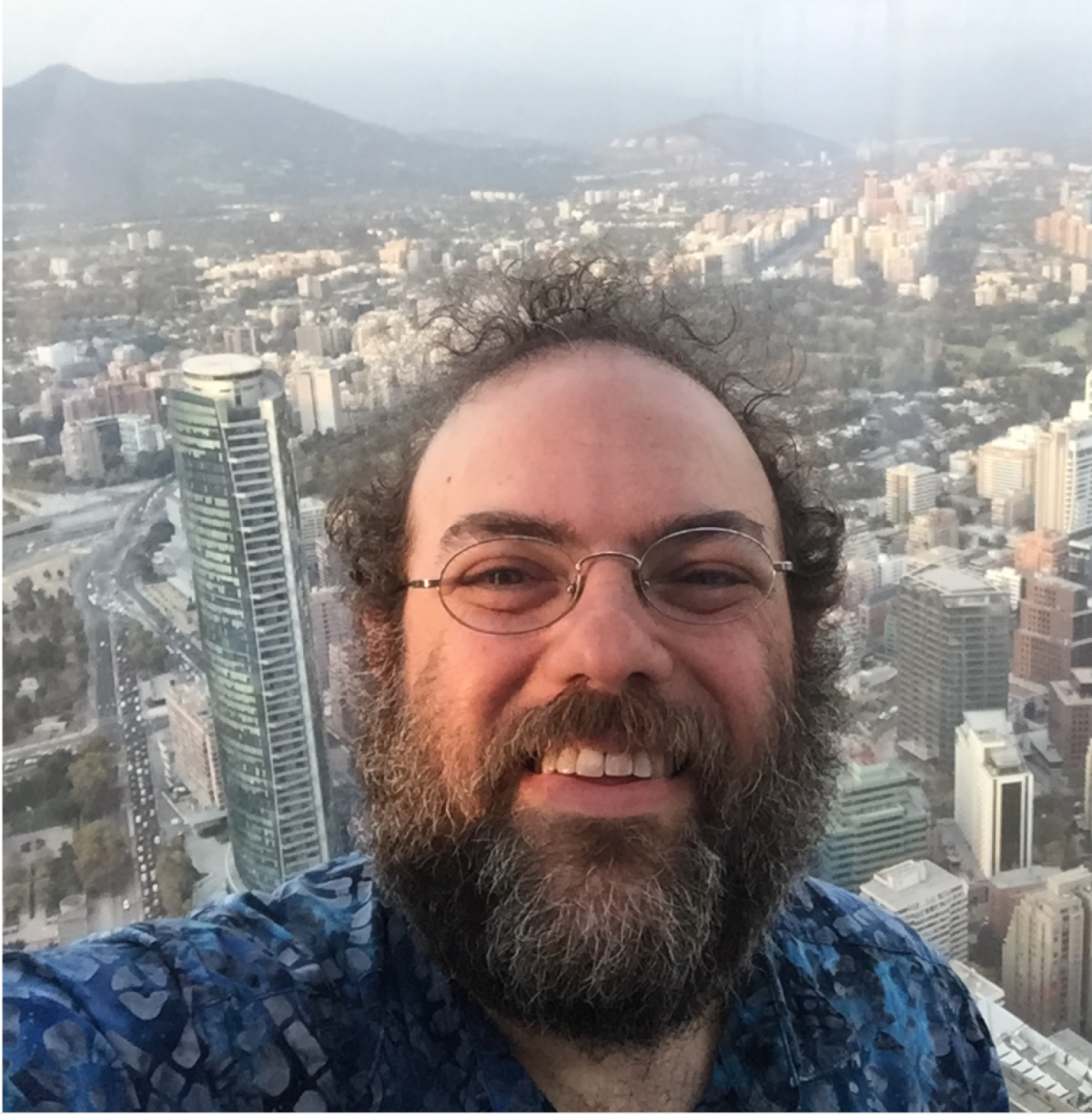
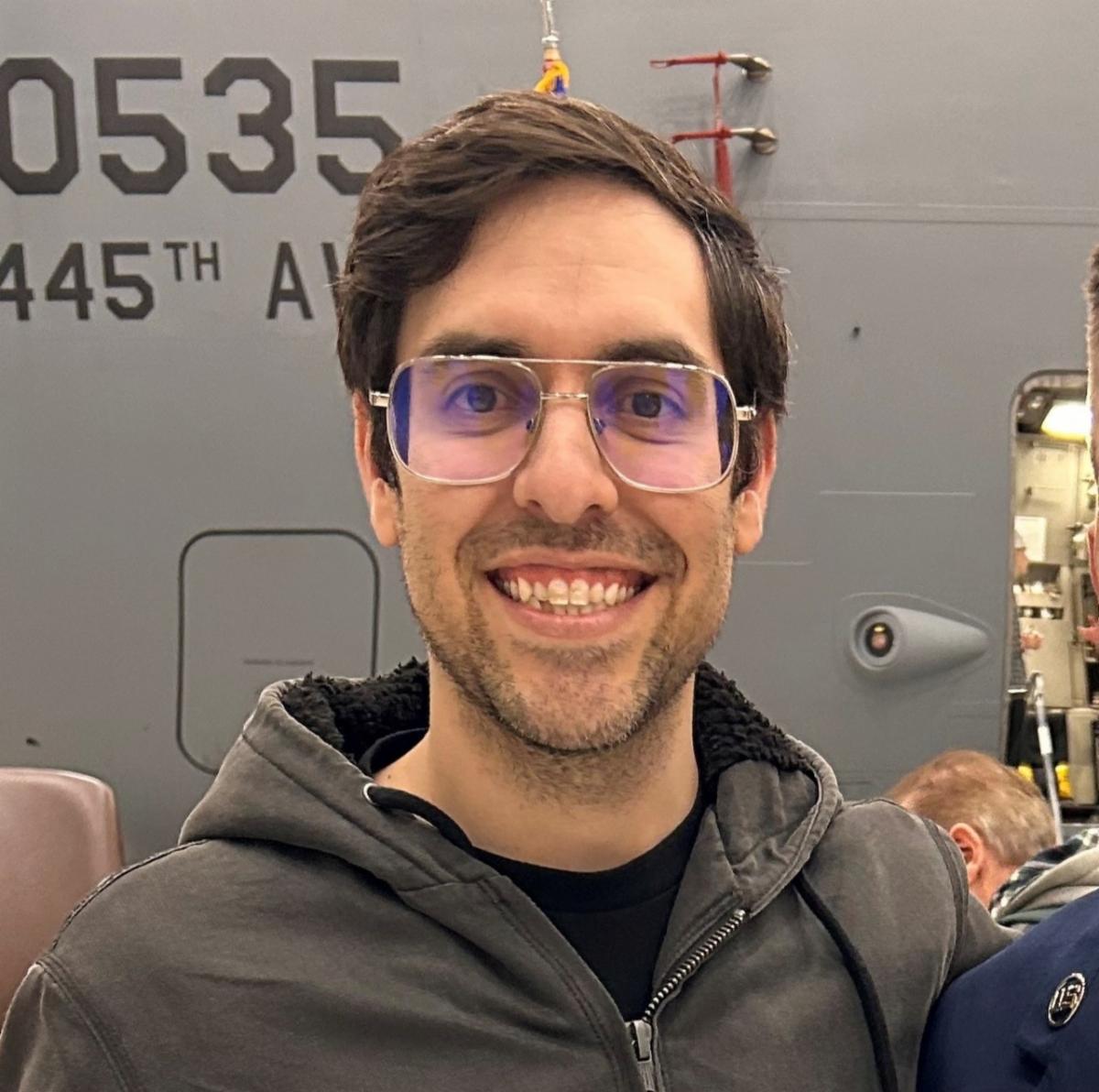
| Dr. Nahum Melamed (Moderator / Event Lead, and Speaker) AIAA Distinguished Lecturer/Speaker Project Leader, Guidance and Control Subdivision, The Aerospace Corporation (In-Person Presentation)
Nahum Melamed is a project leader in the Embedded Control Systems Department in the Guidance and Control Subdivision at The Aerospace Corporation. He joined Aerospace in 2003. As a technical lead in Launch Vehicle Software, Dr. Melamed coordinates and guides a team of interdepartmental technical experts, and supports validation and mission readiness certification of the flight software and mission parameters for NASA’s Artemis missions. He conducts planetary defense technical and policy studies, co-chairs planetary defense conferences, serves on exercises exercise organizing committees, and speaks at these venues. He earned a Ph.D. in Aerospace Engineering from Georgia Tech. |
|
|
|
|
|
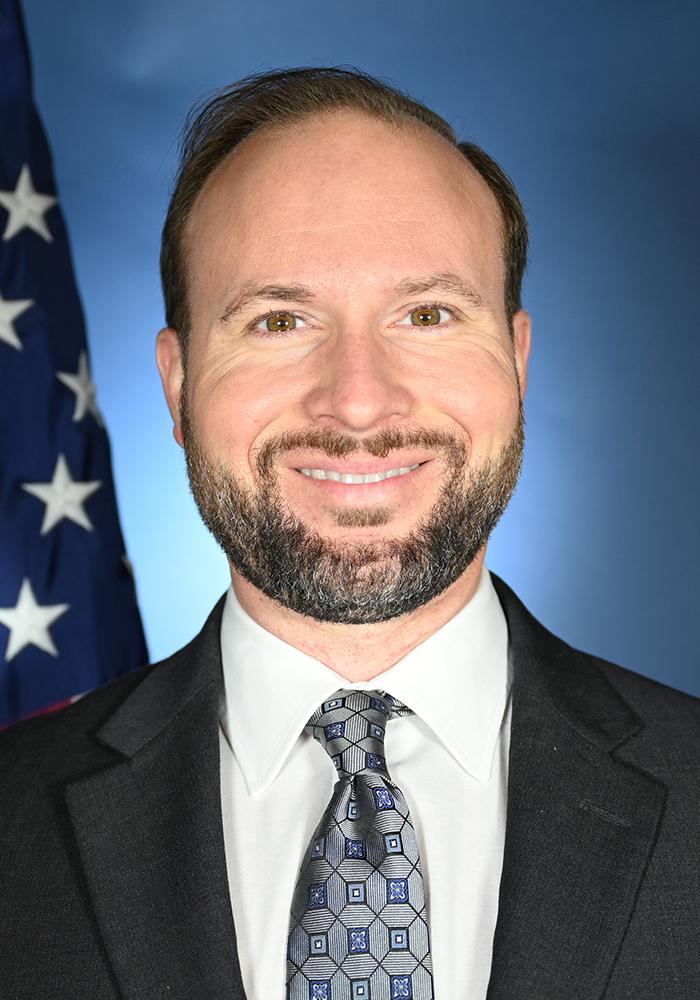
| Dr. Andrew Rivkin (Speaker) Planetary Astronomer Johns Hopkins Applied Physics Laboratory.
"Planetary Defense After DART: What Have We Learned, and What Comes Next?" (On-line, Remote Presentation)
Dr. Andrew Rivkin is a planetary astronomer at the Johns Hopkins Applied Physics Laboratory. He was born in New York City, and obtained his undergraduate degree from MIT in 1991 followed by a PhD in Planetary Sciences from the University of Arizona in 1997. Rivkin was Investigation Lead for the recent Double Asteroid Redirection Test, NASA’s first planetary defense test mission and has remained active in planetary defense work as a member of the Hera mission team and lead for the JWST observations of potentially hazardous asteroid 2024 YR4. His research focus outside of planetary defense is infrared measurements of small bodies and related objects. When not working, Rivkin enjoys noodling on his guitar, watching baseball games, and spending time with loved ones and friends. |
|
|
|
|
|
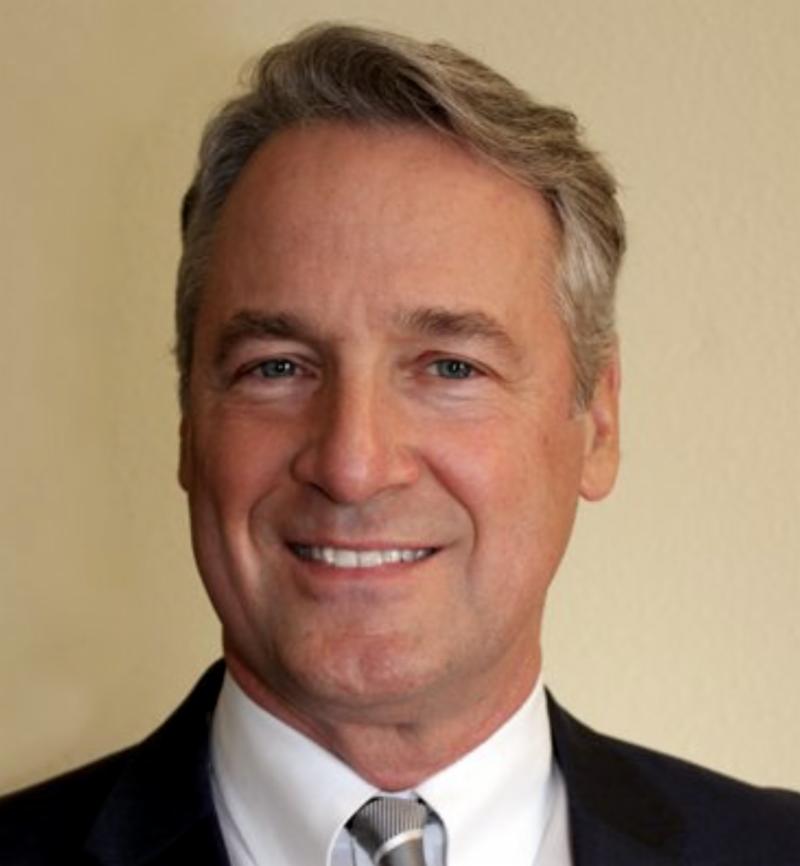
| Mr. Philip Groves (Speaker) "Asteroid Hunters" IMAX Producer & Writer, Photo51, LLC. "Asteroid Hunters" (In-Person Presentation) |
|
|
|
|
|
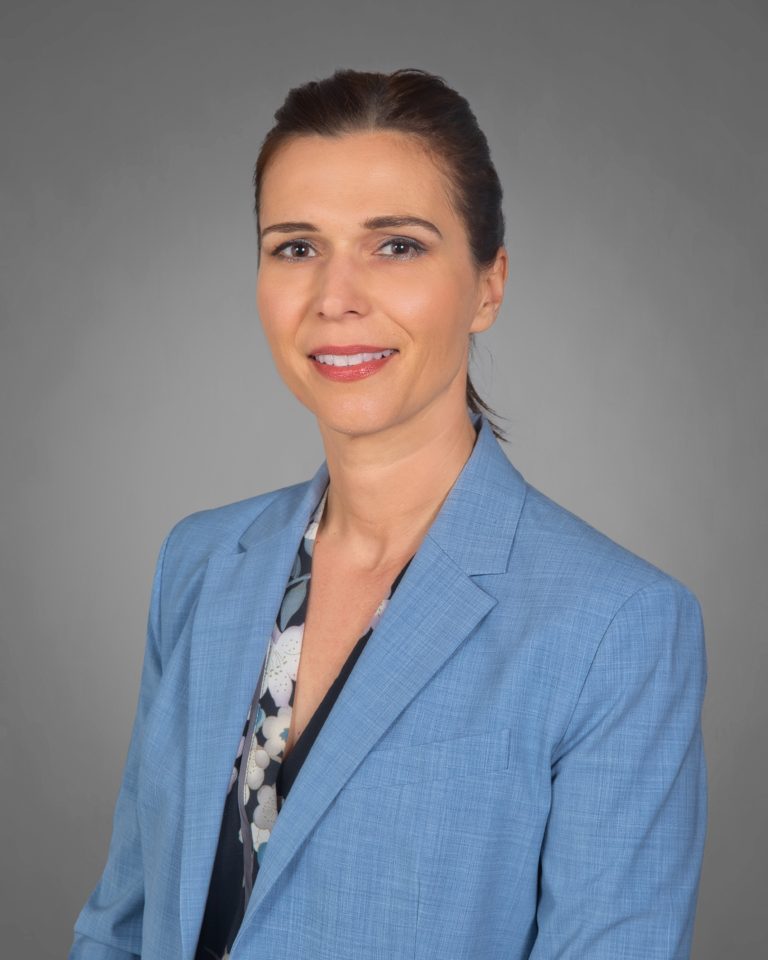
| Dr. Marina Brozovic (Speaker) Radar Scientist and Orbital Dynamicist NASA’s Jet Propulsion Laboratory (JPL)
"Apophis and other closely approaching asteroids in the next decade" (In-Person Presentation)
Dr. Marina Brozovic is a radar scientist and an orbital dynamicist from NASA’s Jet Propulsion Laboratory (JPL) in Pasadena, California. Dr. Brozovic observed hundreds of near-Earth asteroids with the Goldstone and Arecibo planetary radar, and she was involved in the discovery of a dozen binary and three triple asteroid systems, fourteen moons of Jupiter, and several Trans-Neptunian Objects. A main-belt asteroid 7295 Brozovic is named after her. Her research also involves orbital dynamics of the moons of the outer planets, and she worked on NASA’s New Horizons mission to the dwarf planet Pluto as a part of the Hazards Team. She received her undergraduate degree in physics at the University of Zagreb in Croatia and her Ph.D. in physics from Duke University. She spent several years at Caltech as a postdoc before joining JPL in 2007. |
|
|
|
|
|
| Dr. Isaiah Santistevan (Speaker) Postdoctoral Researcher, Planetary Defense Group Lawrence Livermore National Laboratory "Simulating asteroid deflection and disruption with a nuclear device" (On-line, Remote Presentation)
Isaiah Santistevan is a postdoctoral researcher at Lawrence Livermore National Laboratory working in the Planetary Defense group where he specializes in hydrocode simulations of the nuclear deflection and disruption of asteroid threats. He earned his Bachelors in Astrophysics from the University of New Mexico (2016), and his PhD in Physics from the University of California, Davis (2023), where he specialized in hydrocode simulations of galaxy formation and satellite galaxy orbital dynamics. Abstract: Deflecting an asteroid with a nuclear device is a powerful option in our planetary defense toolbox, but it can only be studied through simulations. One big challenge the field faces is figuring out how much "push" an asteroid can handle during a deflection attempt without breaking apart. Using advanced simulation techniques, I explore this question to better understand where the threshold for fragmentation might be, to better inform mission design. |
|
|
|
|
|
| Brent W. Barbee (Speaker) Aerospace Engineering Program Lecturer Department of Aerospace Engineering The University of Maryland at College Park
"Asteroid Disruption for Planetary Defense and the TERP RAPTOR Mission to Apophis" (On-line, Remote Presentation)
Brent Barbee is an aerospace engineer at NASA's Goddard Space Flight Center and an adjunct professor in the University of Maryland's Department of Aerospace Engineering, where he teaches both undergraduate and graduate courses. His current work includes leading interagency spacecraft mission design research for planetary defense against hazardous asteroids and comets. He was also a member of the Investigation Team for NASA’s Double Asteroid Redirection Test (DART) mission, which demonstrated the kinetic impact technique for asteroid deflection for the first time. Main-belt asteroid 120208 was renamed "Brentbarbee" in honor of his contributions to asteroid missions and planetary defense. He holds Bachelors and Masters degrees in Aerospace Engineering from the University of Texas at Austin. |
|
|
|
|
|
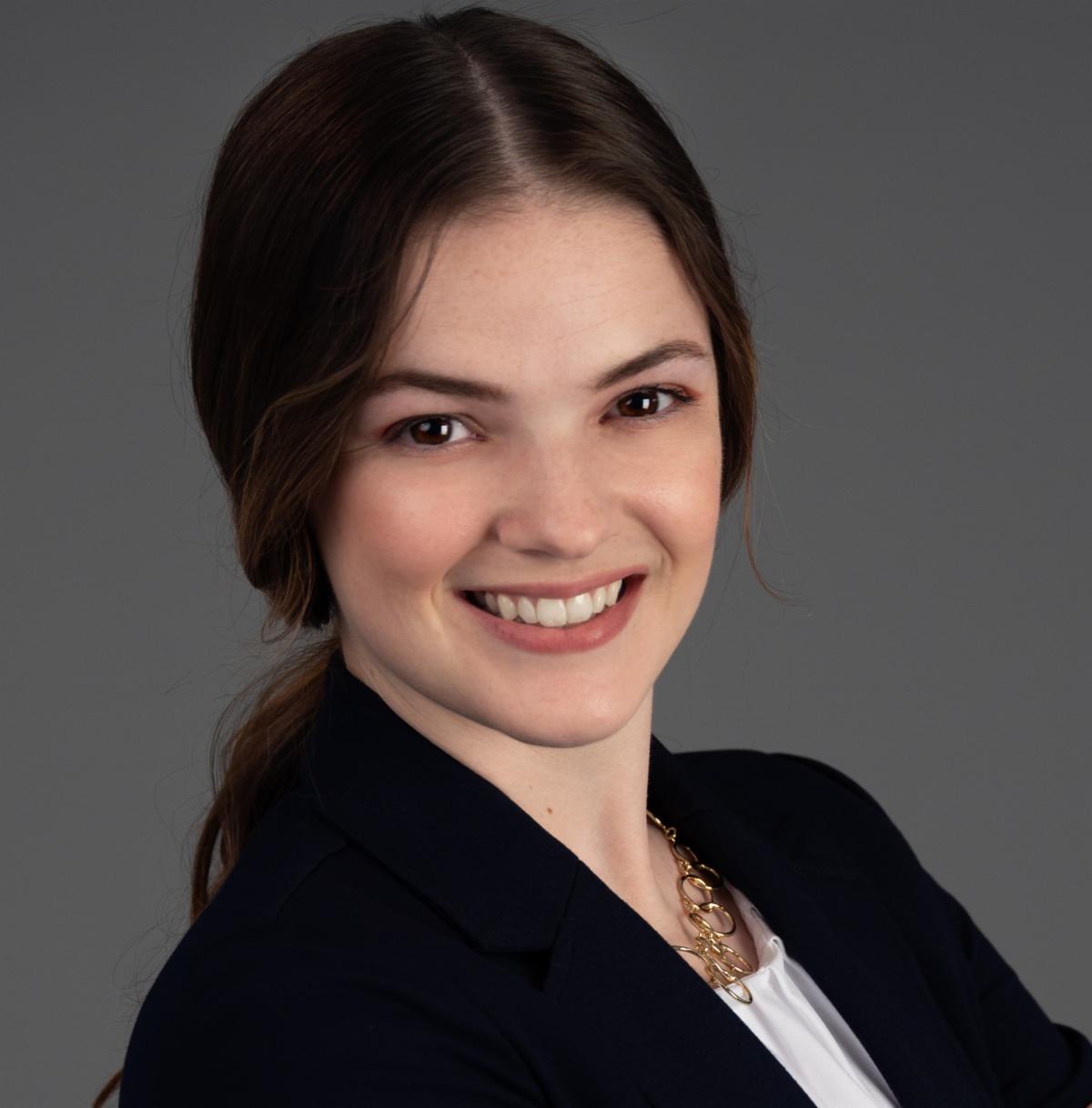
| Adrienne Rudolph (Speaker) Ph.D. student Department of Aerospace Engineering The University of Maryland at College Park
"Asteroid Disruption for Planetary Defense and the TERP RAPTOR Mission to Apophis" (On-line, Remote Presentation)
Adrienne Rudolph is a PhD student at the University of Maryland studying Aerospace Engineering with a research focus on asteroid disruption. She just completed her Master's degree this May and is interning this summer at the Aerospace Corporation as a remote sensing architecture performance engineer, is a visiting graduate student researcher at NASA Goddard, and is chief engineer of UMD's TERP RAPTOR mission to Apophis.
Summary: Large, potentially hazardous asteroids (PHAs), especially those that slip in from the sunward direction or give us weeks to react, demand mitigation options capable of partially or totally disrupting them. Ongoing research is honing two leading techniques: high-velocity kinetic impactors and nuclear energy devices, each suited to different warning times and asteroid properties. In this presentation, we will cover the importance of disruption, when it is required, and the use of each technique. Additionally, we will spotlight the University of Maryland's CubeSat mission, TERP RAPTOR, bound for Apophis, the 350 meter near-Earth asteroid set to make a historic close approach in April 2029. |
|
|
|
|
|
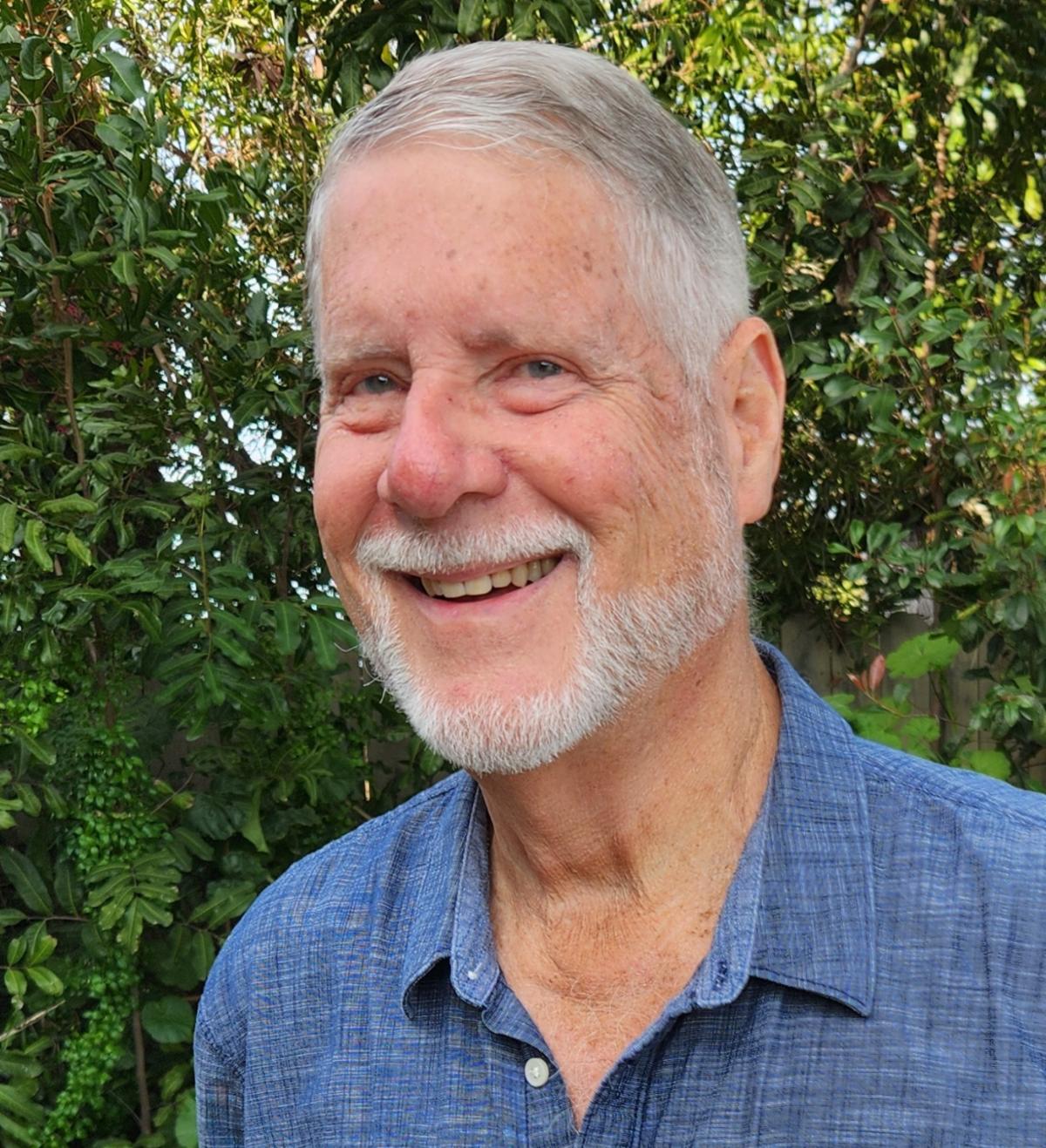
| Mr. Joe Carroll (Speaker) (mostly retired)
"Cheaper by the Dozen: Solar-Sailing Nanosats for Small-Body Missions" (In-person Presentation) |
|
|
|
|
|
| Prof. Madhu Thangavelu (Speaker) Conductor, ASTE527 Graduate Space Concepts Studio, USC Viterbi School of Engineering and USC School of Architecture "LOSSOL: Line of Sight Speed of Light Directed Energy Planetary Defense Technology" (On-line, Remote Presentation) |
|
|
|
|
|
|