|
|
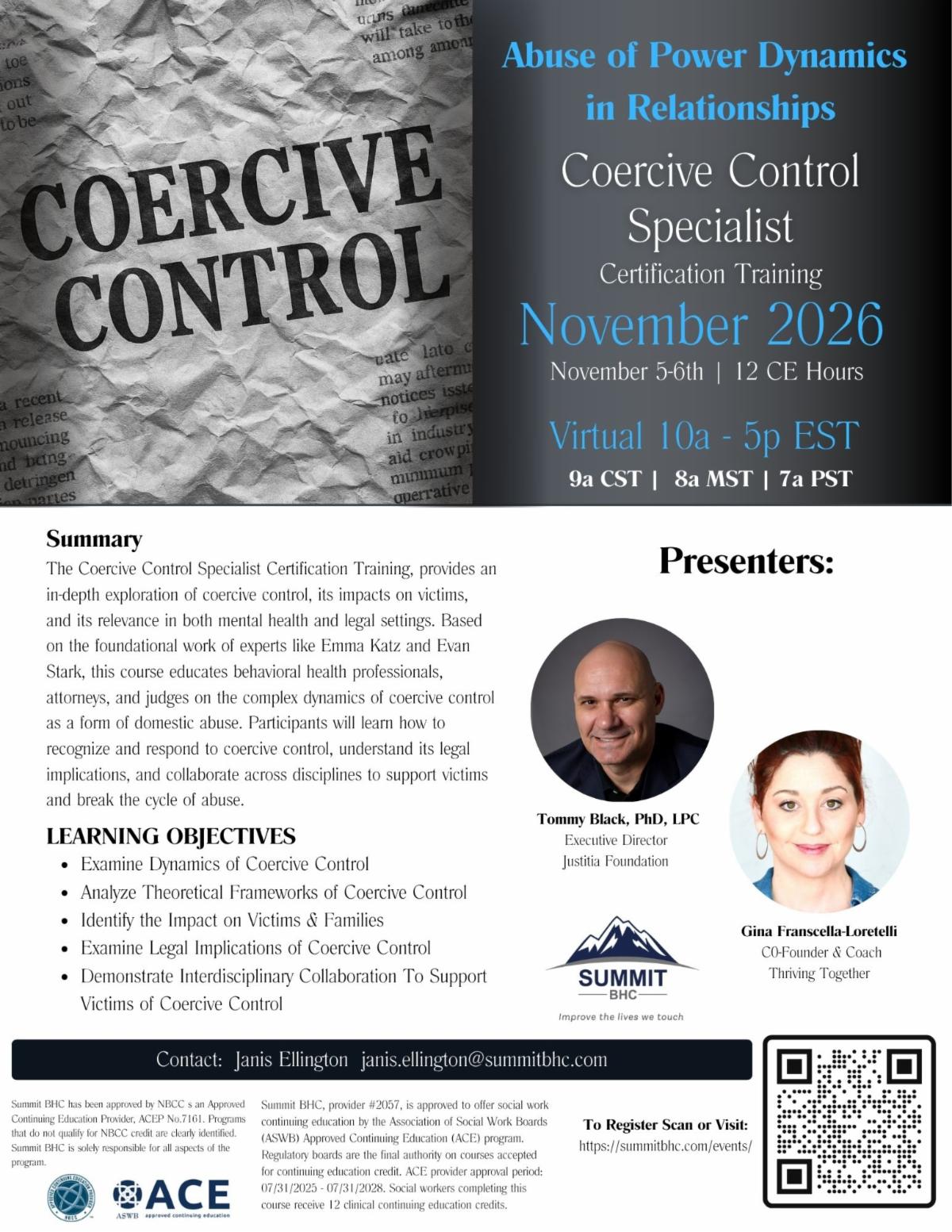
Abuse of Power Dynamics in Relationships - Coercive Control |
This training meets the educational hours required by CCALP for Certification as a Coercive Control Specialist. |
|
Virtual location You will receive a confirmation email with a URL. |
|
Thursday, November 5, 2026 10:00am ET - Friday, November 6, 2026 05:00pm ET Add to Google · Outlook Web · Outlook Mobile · Yahoo · iCal |
|
|
Registration: $400 - 12 CE Credit Hours |
| PREREQUISITE
Who is this training for: This program is ideal for licensed and pre-licensed mental health professionals as well as legal professional, including: · Licensed Professional Counselors (LPCs) · Licensed Mental Health Counselors (LMHCs) · Licensed Clinical Social Workers (LCSWs) · Licensed Marriage and Family Therapists (LMFTs) · Addiction Counselors · Life Coaches/Communication Coaches/Peer Support · Psychologists · Other mental health professionals working with families involved in high conflict cases · Attorneys specializing in family or criminal law · Judges and legal professionals working in domestic violence and custody cases
Professionals at all stages of their careers will benefit from this course’s thorough examination of coercive control and its legal and psychological ramifications. |
| Overview The Coercive Control Specialist Training provides an in-depth exploration of coercive control, its impacts on victims, and its relevance in both mental health and legal settings. Based on the foundational work of experts like Emma Katz and Evan Stark, this course educates behavioral health professionals, attorneys, and judges on the complex dynamics of coercive control as a form of domestic abuse. Participants will learn how to recognize and respond to coercive control, understand its legal implications, and collaborate across disciplines to support victims and break the cycle of abuse.
Coercive control is a pervasive form of abuse that extends beyond physical violence, often manifesting through psychological, emotional, and economic manipulation. Its impact on victims, particularly in terms of mental health and legal protection, is profound and often misunderstood. This training fills a crucial knowledge gap, providing professionals in mental health and legal fields with the tools to recognize, assess, and respond to coercive control. By addressing both the theoretical and practical aspects of coercive control, this program equips professionals to offer informed, compassionate support to victims and collaborate effectively in legal settings to achieve justice and safety. Certification Upon completion of the training, eligible participants must pass a comprehensive capstone project and apply their learning through case study analyses. Certification is awarded by CCALP upon successful completion of education hours and capstone project, and professionals are required to maintain their certification through recertification with the Clinical Certification Association of Licensed Professionals (CCALP), every three years. |
|
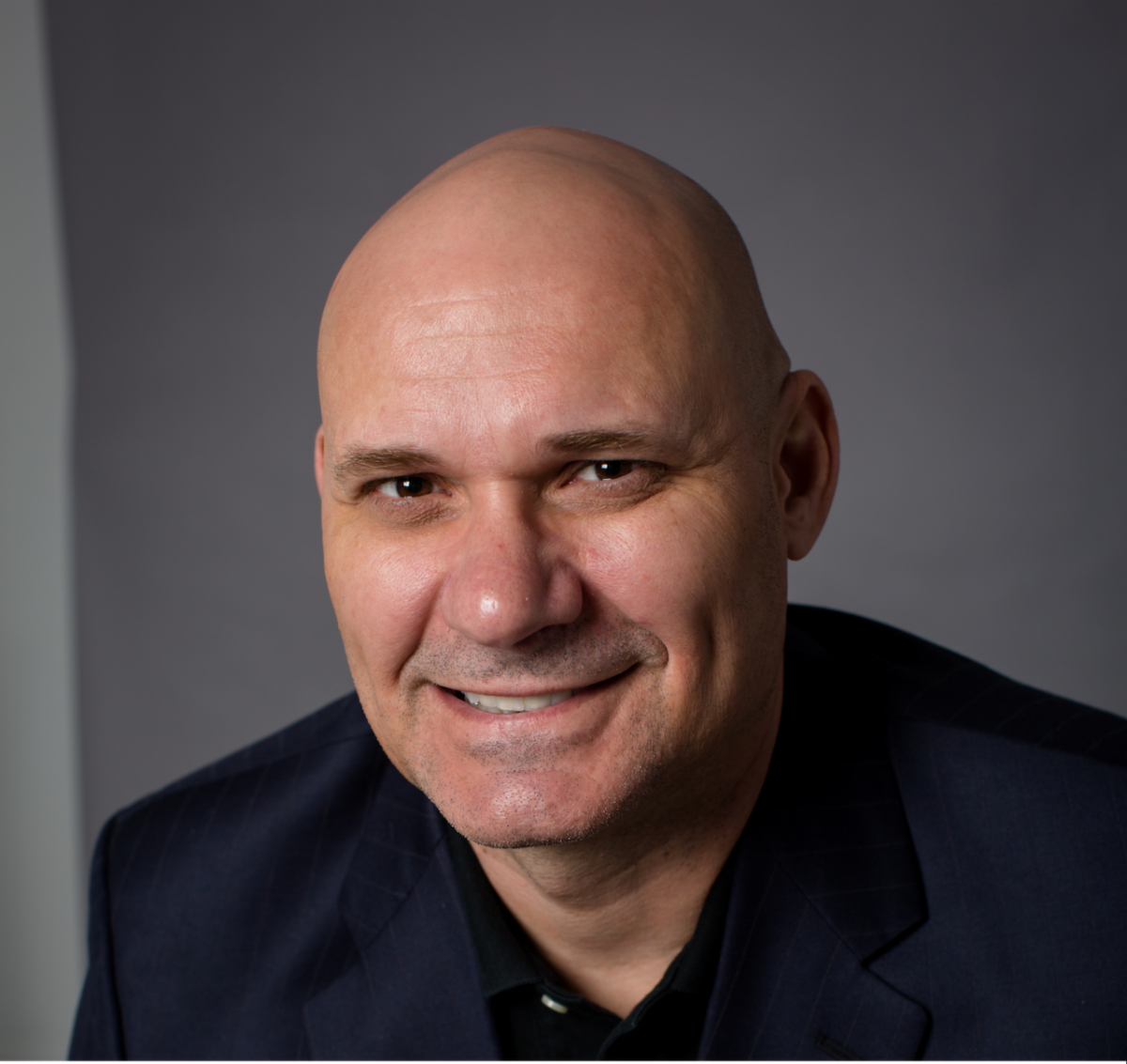
Dr. Tommy Black, Ph.D., LPC (GA/USVI), LMHC (FL), CPCS
Dr. Tommy Black, Ph.D., LPC, LMHC, is a licensed mental health professional and forensic clinician with nearly three decades of experience at the intersection of behavioral health and the legal system. He is the Executive Director of the Justitia Foundation, Inc., a nonprofit organization dedicated to advancing education, ethical standards, and clinical competence among behavioral health and forensic professionals. Through this work, Dr. Black develops and delivers specialized training programs focused on forensic evaluation, custody matters, coercive control, trauma, and ethical decision-making, with an emphasis on practical application in real-world legal contexts.
In addition to his leadership role, Dr. Black is the owner of Darsey, Black & Associates and Clinical Director of Atlantic Counseling Services, where he oversees clinical services, evaluations, and program development. His work routinely involves complex cases including custody evaluations, psychosexual assessments, violence risk, and trauma-related presentations. He is frequently retained as an expert witness and is known for providing clear, balanced, and defensible opinions in high-conflict legal matters. His clinical approach integrates CBT, REBT, and trauma-informed frameworks, with a strong focus on accountability, objectivity, and ethical practice.
Dr. Black has served in leadership roles with the Georgia Composite Board of Professional Counselors, Social Workers, and Marriage and Family Therapists, including as Chair, and has contributed to the development of professional standards at both the state and national level. He has also taught at the graduate level and continues to consult, present, and train professionals across the country. He holds a Ph.D. in Psychology from Northcentral University, along with graduate degrees from Georgia Southern University and a bachelor’s degree from the University of Tampa. His career reflects a consistent focus on elevating the profession through education, collaboration, and the responsible application of behavioral health expertise within legal systems.
|
|
 |
|
Gina Loretelli Communications Coach | Coercive Control Specialist | Expert Witness in Family Court
Gina is a communications coach and nationally recognized expert in coercive control, working with individuals and families across the United States in high-conflict and court-involved cases. She is known for her ability to identify patterns of coercive and controlling behavior within family systems and translate complex relational dynamics into clear, actionable insights for both clinical and legal audiences.
Gina is frequently retained as an expert witness, where she provides consultation and testimony in cases involving family violence, coercive control, custody disputes, and parent-child relational disruption. Her work is particularly valued for its focus on communication patterns, behavioral analysis, and the real-world application of these dynamics within family court proceedings.
With a background in economics from California State University, Stanislaus, and a concentration in consumer behavior, Gina has long been drawn to understanding human behavior and decision-making. After years in sales and marketing, she transitioned into the mental health field in 2016, bringing with her a unique skill set in communication, pattern recognition, and behavioral insight.
While not a licensed therapist, Gina has completed extensive training in family violence, custody dynamics, supervised visitation, and court-involved family systems. Her expertise is grounded in both formal training and years of direct, experiential work with families navigating complex relational and legal challenges.
Gina is a strong advocate for survivors of abuse and is widely recognized for her work in helping professionals and courts better understand the subtle and often misunderstood dynamics of coercive control. Through her coaching, consultation, and training, she is committed to promoting ethical, informed decision-making that prioritizes the safety and well-being of children and families.
She resides in Northern California with her two daughters. |
|
|
| Content Area: Beginner to Intermediate - Behavioral Health Professionals at various stages of their career—whether just starting or seasoned practitioners—will benefit from the program’s blend of theoretical knowledge and practical skills.
Course Interaction & System Requirements: This live webinar presentation is interactive. Attendees & presenters may ask and answer questions throughout the presentation and participate in instructor-led discussions.
System requirements: • Operating Systems: Windows XP or higher, MacOS 9 or higher, Android 4.0 or higher • Internet Browser: Internet Explorer 9.0 or higher, Google Chrome, Firefox 10.0 or higher • Broadband Internet connection: Cable, High-speed DSL & any other medium that is internet accessible
Course Completion and CE Information: To earn CE credit, participants must be on time, sign in and sign out, attend the entire course and complete a course evaluation. This is a 12 hour course. Partial credit is not permitted. Must be present the full 6 hours of both days to receive CE certificate. CE Certificates of Completion will be emailed within 5 business days of course completion.
CE Statements: Summit BHC, provider #2057, is approved to offer social work continuing education by the Association of Social Work Boards (ASWB) Approved Continuing Education (ACE) program. Regulatory boards are the final authority on courses accepted for continuing education credit. ACE provider approval period: 07/31/2025 - 07/31/2028. Social workers completing this course receive 12 clinical continuing education credits.
Summit BHC has been approved by NBCC as an Approved Continuing Education Provider, ACEP No. 7161. Programs that do not qualify for NBCC credit are clearly identified. Summit BHC is solely responsible for all aspects of the programs.
|
|
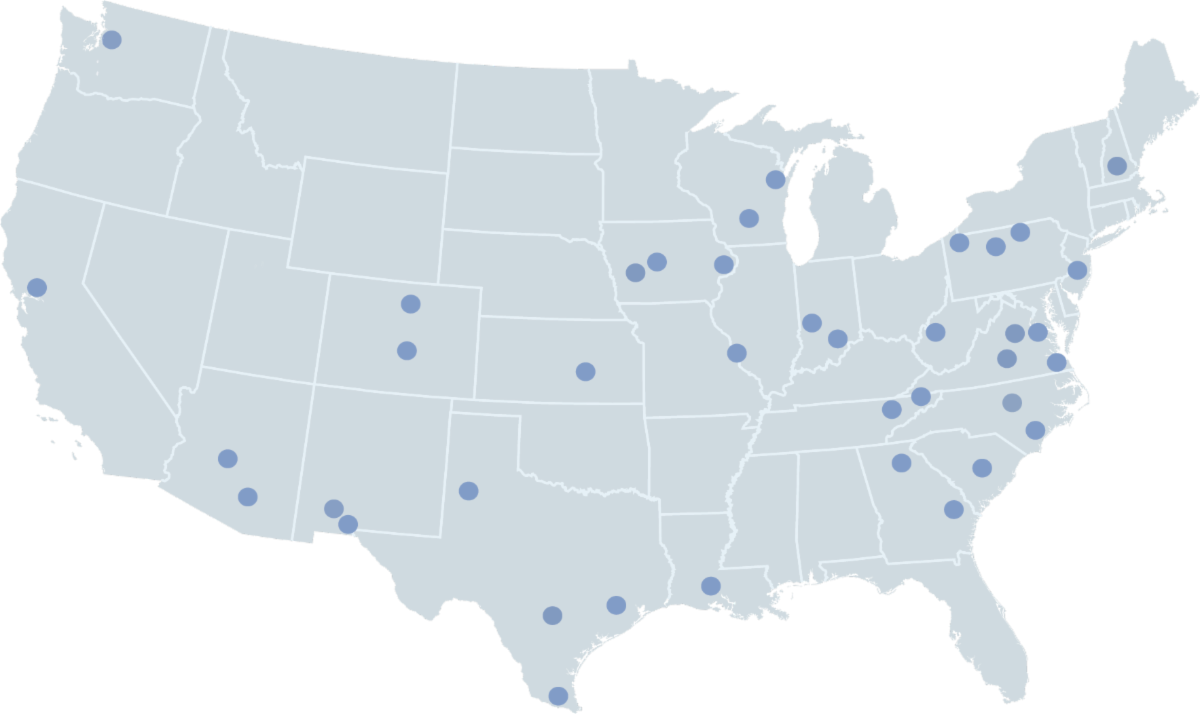
| Summit BHC’s primary focus is on the provision of psychiatric services and substance use disorder treatment within a flexible and dynamic continuum of care. Our treatment facilities are specialized in helping adults, adolescents, and families suffering from mental health challenges and addiction while offering a solution to the stressors that drive these issues, providing a path to change and ensuring ongoing support for a restored life. Our Services Include: Residential Chemical Dependency Programs Acute Psychiatric Care Detoxification Programs Partial Hospitalization Programs Intensive Outpatient Programs Health and Wellness Programs Dual Diagnosis Treatment Learn more about our treatment facilities here.
|
|
|
|
|