|
|
| Adult Leadership Collaborative of FASD Changemakers: FASD and Communication: How Hard Can It Be? Lost in Transmission; Lost in Translation: The “Transmislation Trap" (renamed from Communication: Anything that can go wrong, does go wrong - all the time: The Word Trap)
|
|
|
| Tuesday, March 17, 2026 1:00 pm - 3:00 pm EST (12:00 - 2:00pm CT, 11:00 am -1:00pm MT, 10:00 am -12:00 pm PST) Cost: FREE (Accepting donations to continue beyond the 6-session series) |
|
|
Description: In this workshop, the International Adult Leadership Collaborative (ALC) of FASD Changemakers will explain the often-missed communication challenges in FASD, particularly the gap between strong expressive language and weaker receptive understanding. Drawing from their living experience, they will describe why individuals with FASD may speak well yet struggle to fully understand verbal information, and how this disconnect is frequently misinterpreted as intentional behavior.
They will explore why this issue is so commonly overlooked, how it affects daily functioning across the lifespan, and why it occurs regardless of intellectual ability. Emphasizing that communication is a two-way process, they will highlight the shared responsibility in ensuring messages are truly understood.
Through practical insights and the lens of what they wish others had understood when they were children, they will offer strategies to strengthen verbal communication, reduce frustration, and build more effective, supportive interactions that lead to greater long-term success.
Learning Objectives:
- Differentiate between expressive and receptive language challenges in individuals with FASD.
- Recognize signs of receptive language impairment that may be misinterpreted as intentional behavior.
- Apply practical communication strategies to improve understanding and two-way verbal interactions.
|
|
|
|
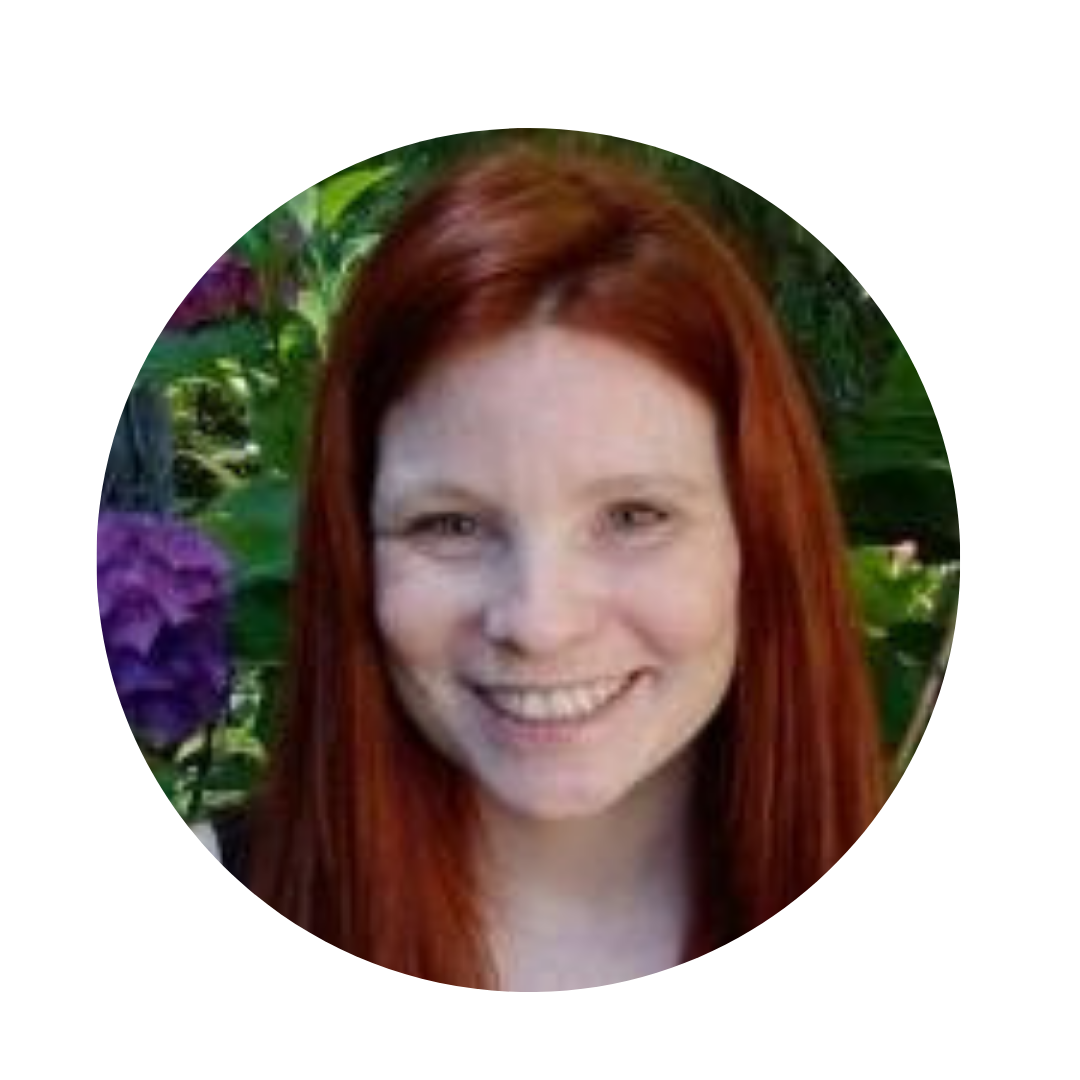
CJ Lutke ALC FASD Changemakers, Vancouver, BC
CJ Lutke, who is 41, was diagnosed with full FAS at birth and adopted by her foster family at age five, who had already adopted her older brother and sister who also have FASD. She is a well-known speaker on FASD, having presented at and participated in many conferences, seminars, training sessions and other events for over 20 years. CJ is a systems changer and advocate, provides advice and consultation and participates as an advisor and team member for different research projects. She currently sits on various committees, including one to make changes to the family court system in British Columbia (BC), chaired by the Chief Justice of the Supreme Court of BC, and has just been asked to be on a research project on suicidality in those with FASD by the Centre for Addiction and Mental Health, the national centre in Canada. She provides mentoring to younger adults with FASD and is the author of an on-line blog that is hosted by NOFASD Australia which is followed globally. As well, CJ has been a member of the Adult Leadership Committee (ALC) of FASD Changemakers for 15 year and was one of its founders. She was the co-lead on their first ground-breaking Lay of the Land Survey on the health and physical issues of adults with diagnosed FASD that has received wide international attention and was published in 2020. CJ was the lead author on their second Lay of the Land Survey on the Quality of Life of Adults with diagnosed FASD, results of which have been presented widely including to NIAAA and were published in 2024. As well, CJ became an adoptive parent when she adopted her now 12-year-old son (with FASD) from foster care when he was seven. CJ believes that those with FASD must challenge perceptions about possibilities and outcomes, find their purpose and change the future. Her goal is to help others with FASD find their voice and to understand that we are greater when we work together.
|
|
|
|
|
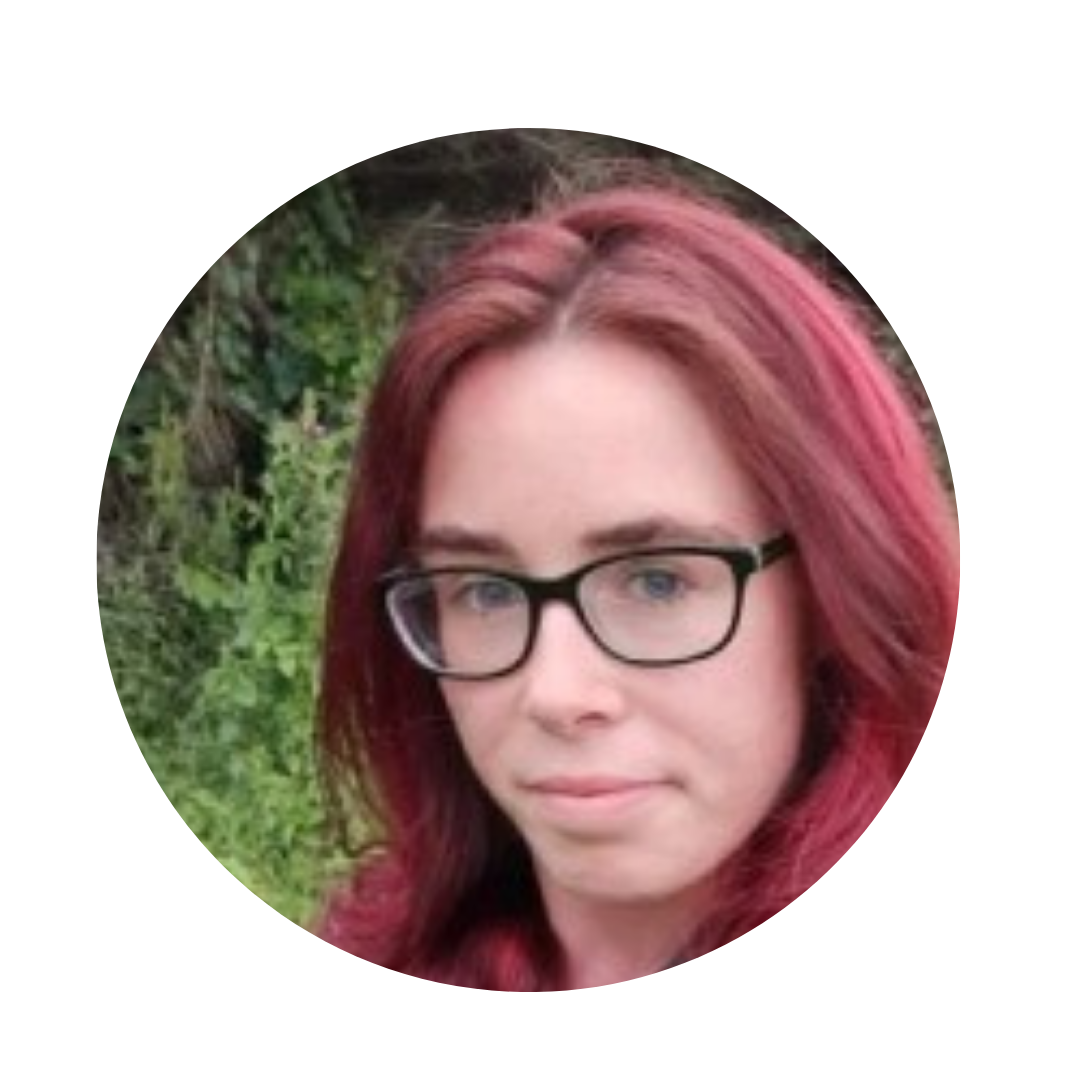
Maggie May ALC FASD Changemakers, Ireland
Maggie May, who is 28 years old, was diagnosed at the age of five with FAS in foster care, where she grew up. She was born in and has lived her entire life in Ireland. She is a well-known speaker on FASD, having presented widely, moderates several on-line groups including the largest global online support group for teens and adults with FASD and provides online mentoring to teens with FASD in several countries. Maggie is a systems changed and advocate and has been a member of the ALC for 5 years. She works for FASD UK. She is currently an expert advisory committee member for the development of a health app for adults with FASD by the University of Rochester, USA. Maggie’s goal is to help audiences change the way they view FASD, educate society to build environments for success, and empower those with FASD to find their own voices, purpose and the courage to be who they are and achieve what they want to do.
|
|
|
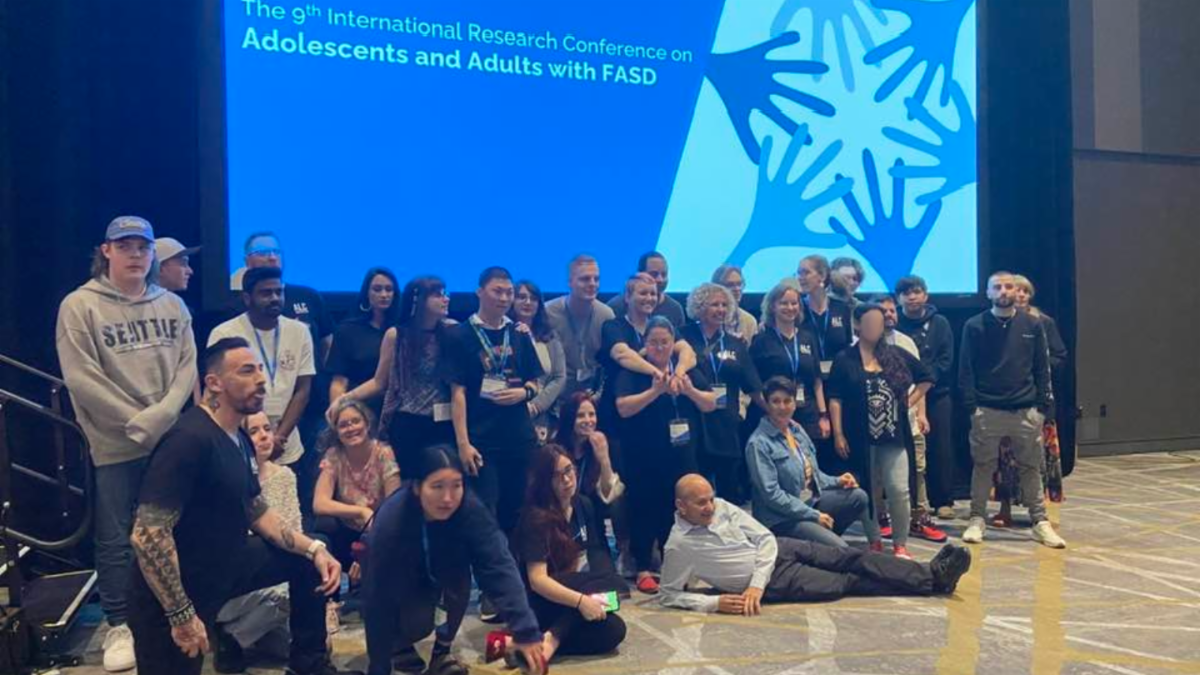
| Adult Leadership Collaborative (ALC) of FASD Changemakers (ALC – FASD Changemakers) The International Adult Leadership Collaborative (ALC) of FASD Changemakers is a well known group of citizen researchers and experts who each have diagnosed FASD. It is made up of 16 members. As a group, they have experienced all the events commonly associated with FASD but have learned how to overcome obstacles, maximize potential and re-define success. They use their combined living experience to work together as consultants, advisors, trainers, presenters, mentors, group moderators, bloggers, and as research project team members for universities and national organizations, centres and associations in several countries. They have organized, initiated, designed, developed and led full 3-day program conferences for teens and adults with FASD in both Vancouver and Seattle since 2014. As well, they develop and lead their own survey research, which has received wide interest by researchers, institutions, organizations, systems, and government and is currently being used to help focus research directions and questions. Their first survey on the health of 500 adults with diagnosed FASD was published in 2020, and their second survey on the quality of life of 450 adults with diagnosed FASD was published in 2024. A third Lay of the Land survey is currently in the initial stages of discussion. |
|
|
|
|