You don't want to miss this.
[[trackingImage]]

Caregivers Guide: ABA and the FASD Brain

Traditional Applied Behavior Analysis (ABA) therapy, behavior charts, and reinforcement systems often fail children with FASD. This is not because the child or provider is failing, but because FASD fundamentally alters time processing, memory, and impulse control. This presentation explores why standard ABA falls short, how strategies must be adapted, how to identify informed providers, and how to advocate the care tailored to your child's brain. The fee is "pay what you can" basis, with options of 0, $5, $10, $15, $25

$0.00 - $25.00

Thursday, September 3, 2026

10:00 am - 11:30 am EST

9-10:30am CT, 8-9:30am MT, 7-8:30am PST

Cost: FREE/Pay as you can


DESCRIPTION:


Traditional Applied Behavior Analysis (ABA) therapy, behavior charts, and reinforcement systems often fail children with FASD. This is not because the child or provider is failing, but because FASD fundamentally alters time processing, memory, and impulse control. This presentation explores why standard ABA falls short, how strategies must be adapted, how to identify informed providers, and how to advocate for care tailored to your child's brain.


Most traditional ABA approaches were designed around the learning profiles of autistic individuals. However, Fetal Alcohol Spectrum Disorder (FASD) involves structural, physical changes to the brain itself. Because FASD directly alters how a child processes time, stores memory, and manages impulses, using a standard ABA script will not just miss the mark; it will frequently backfire.


The good news is that ABA can work for FASD, but it requires a shift in practice. This presentation will help create a blueprint for how behavioral strategies must be adapted, how to spot the right provider for your family, and how to advocate for a modified approach that respects your child's unique brain.


Learning Objectives:


By the end of this presentation, caregivers will be able to:

  • Recognize why traditional ABA approaches may not always be effective for individuals with FASD.
  • Identify adaptations that make behavioral interventions more successful for individuals with FASD.
  • Identify what to look for in a FASD-informed provider. 
  • Advocate confidently for supports that accommodate their child's unique learning and behavioral needs.


Pre-Training Survey:

Sharing your voice in the brief survey included in the registration process helps us ensure the training provides the exact tools, insights, and support your family needs right now.


A Note for Professionals:

While clinicians, educators, and providers are incredibly welcome to join and learn with us, please join as a listening ear. We ask that you step back and give full space for families to take the lead as the primary participants in this session!

PRESENTERS:

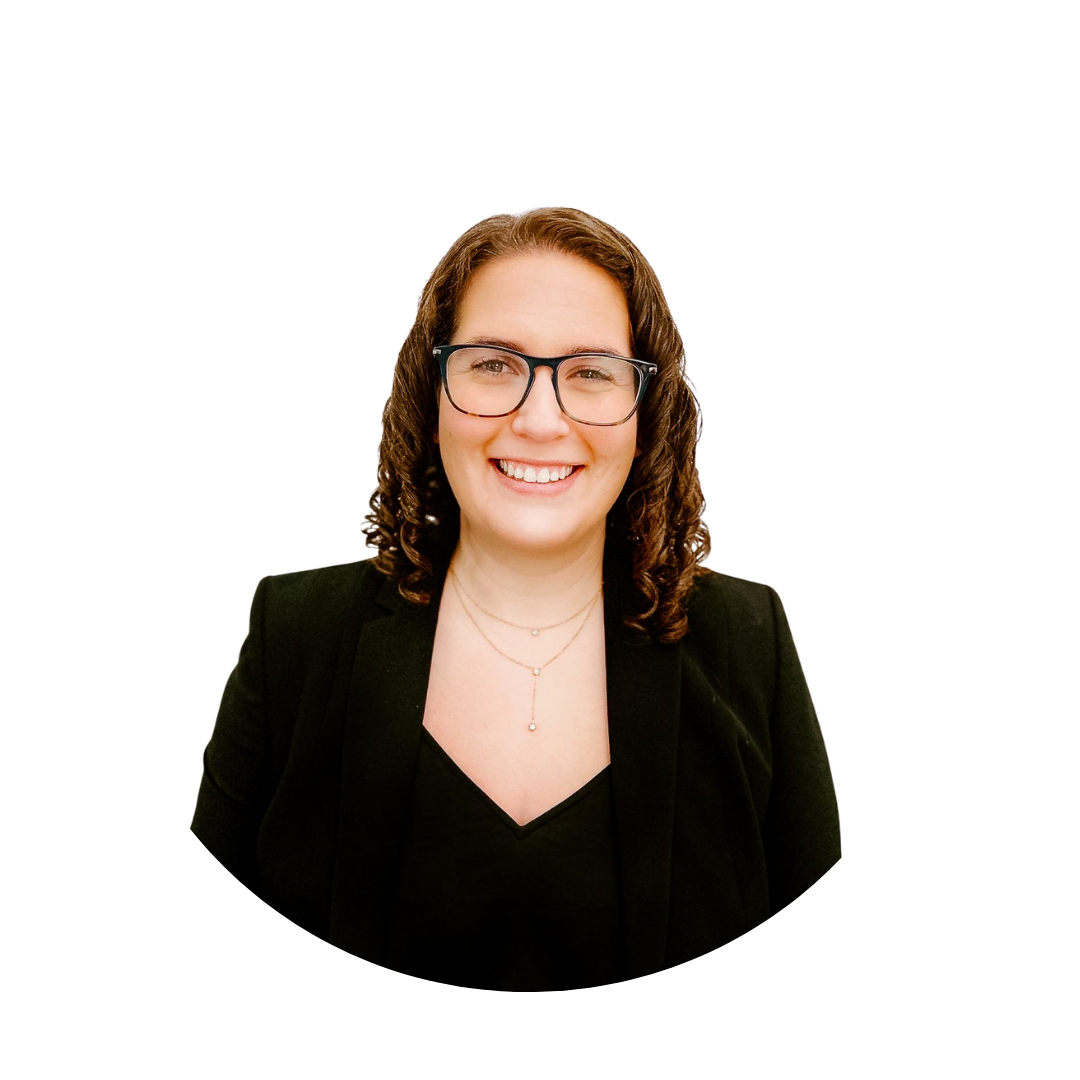
Sydney Finkenbine, M.Ed., BCBA, LBA, COBA ,

ALL Integrated YOU & CAMP - A FASD Community


Sydney is a Board Certified Behavior Analyst (BCBA), former foster parent to teens, many of whom were impacted by Fetal Alcohol Spectrum Disorders (FASD), and the co-founder of ALL Integrated YOU, a program committed to accessible, lifelong and local support. She also serves as the Behavioral Health Director at CAMP - A FASD Community, where she leads a dedicated team to create supportive, enriching experiences that help youth have the best week of their lives. Sydney is deeply committed to trauma-informed care, family collaboration, and elevating the voices of those with lived experience.

Originally from Chicago and now a proud Michigander, Sydney loves spending time with her wife, son, and their two pups. Together, they enjoy exploring local cuisine, discovering new walking trails, and learning new board games.

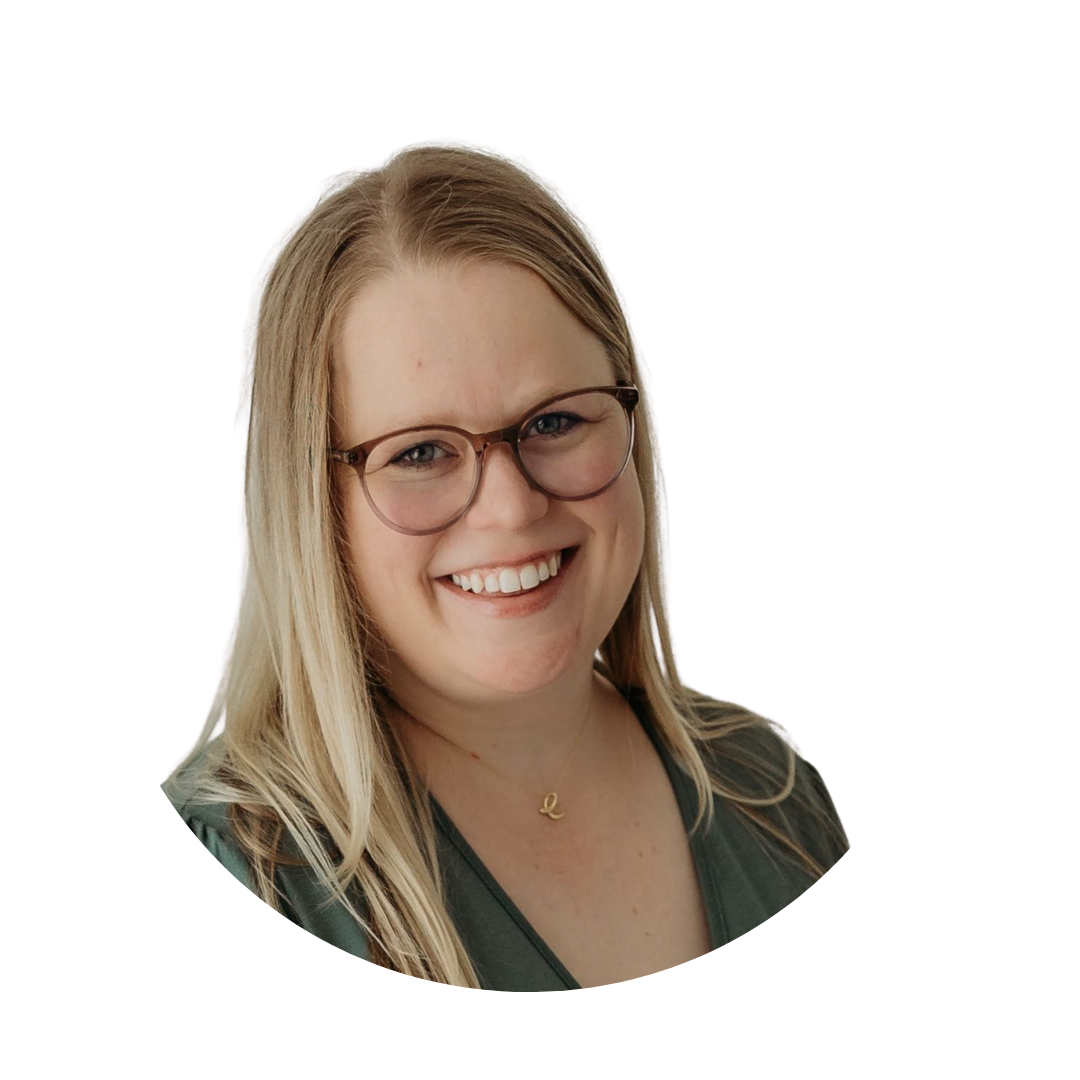
Dr. Emma Thomas, Ph.D., BCBA-D, LBA

ALL Integrated YOU


Emma is a Board Certified Behavior Analyst-Doctoral (BCBA-D) and co-founder of ALL Integrated YOU. With over 18 years of experience, she has worked with individuals with disabilities in a wide range of settings. Emma is dedicated to achieving meaningful, person-centered outcomes and is passionate about using evidence-based practices to enhance quality of life and foster independence for the individuals and families she supports.


Originally born in Finland, Emma now lives in Michigan with her husband, their baby daughter, and their dog. In her free time, she enjoys discovering new restaurants, spending time with family, and traveling.


Contact information via links:


CAMP, a FASD Community, and

All Integrated You