You don't want to miss this.
[[trackingImage]]

Sponsored by The Florida Center and the State of Florida, Department of Health

How to Support Families Raising Children with FASD

When a child has a Fetal Alcohol Spectrum Disorder (FASD), the impact extends to the entire family. Loved ones often want to help but may not understand why traditional parenting strategies are ineffective or why caregivers seem overwhelmed. This webinar introduces FASD and its effects on brain development, behavior, learning, and daily functioning. Participants will gain practical strategies to better support families, strengthen relationships, reduce isolation, and respond with understanding, empathy, and realistic expectations.

Free

Date: Wednesday, September 2, 2026

Time: 11:00 pm - 1:00 pm EST

Cost: FREE

When a child has a Fetal Alcohol Spectrum Disorder (FASD), the impact extends far beyond parents and caregivers. Grandparents, aunts, uncles, siblings, family friends, and community members often want to help but may struggle to understand why traditional parenting approaches do not seem to work or why families make certain decisions or why caregivers sometimes appear overwhelmed, anxious, frustrated, or emotionally exhausted.  


This webinar provides a practical introduction to FASD, helping participants understand how prenatal alcohol exposure affects brain development, behavior, learning, memory, emotional regulation, and daily functioning. Participants will gain insight into the realities of raising a child with an invisible brain injury and learn why many common assumptions about behavior can lead to misunderstanding and judgment.


Participants will also explore the often-unseen impact FASD has on caregivers and family systems. Raising a child with FASD frequently requires coordinating across educational, medical, mental health, disability, and social service systems while continually advocating for supports that may be difficult to access. Over time, these demands can contribute to chronic stress, caregiver fatigue, strained relationships, social isolation, and emotional exhaustion. Understanding these realities can help family members and friends respond with empathy rather than assumptions about what families "should" be doing.


Most importantly, attendees will discover meaningful ways to support loved ones affected by FASD. Through real-life examples and practical suggestions, participants will learn how to become part of a family's support system, strengthen relationships, reduce isolation, and provide support that is grounded in understanding, empathy, and realistic expectations.


The Florida Center for Early Childhood operates FASD Diagnostic Clinics in Sarasota, Orlando, and the panhandle!


TAKEAWAYS:

  • Understand how prenatal alcohol exposure affects brain development and everyday functioning.
  • Recognize why many FASD-related challenges that are often misunderstood and why traditional parenting and discipline strategies might not be effective.
  • Apply practical, neurodevelopment-informed strategies to better support individuals with FASD and their caregivers.
  • Develop greater empathy by understanding how judgment and unrealistic expectations can increase stress for families.

PRESENTERS:

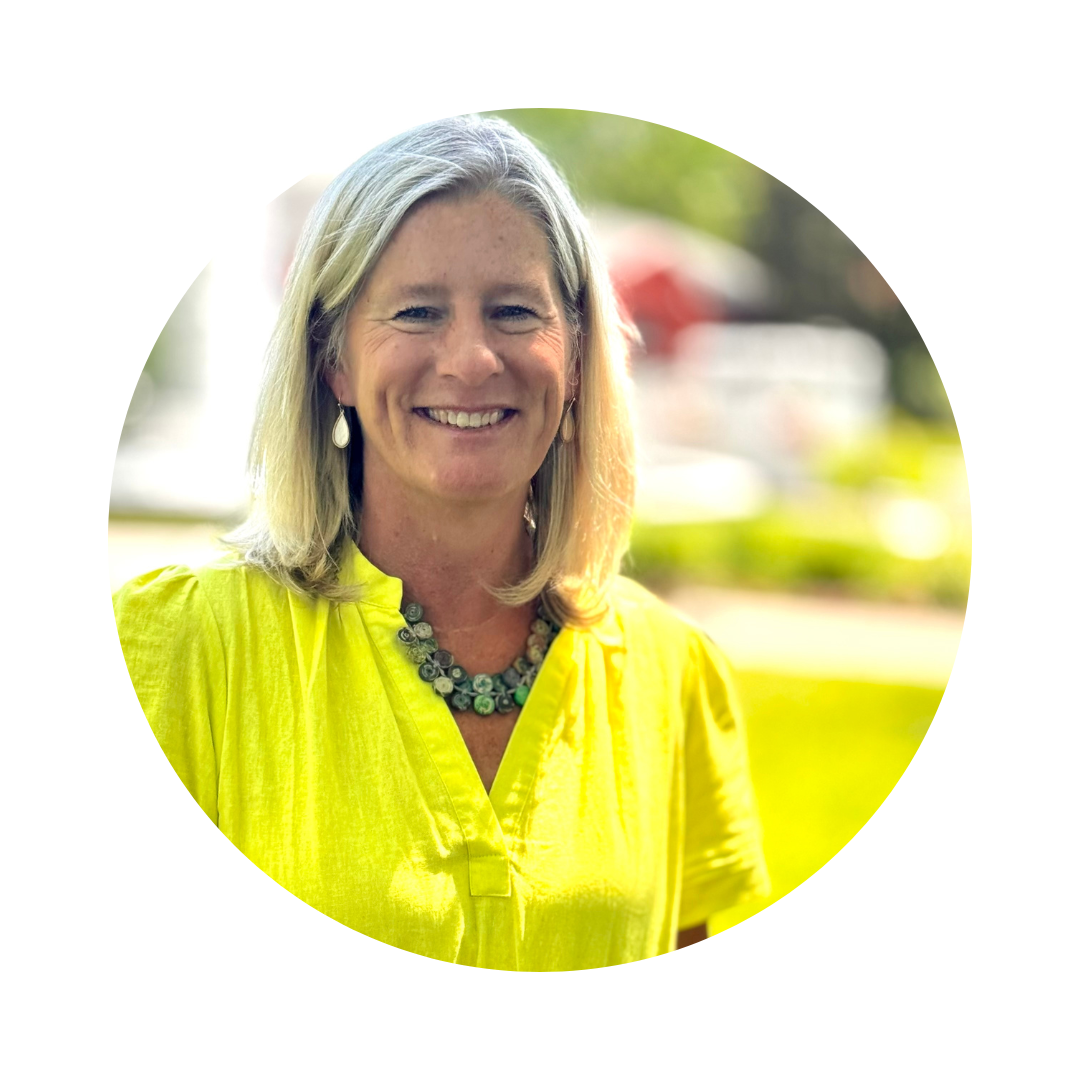
Barb Clark

FASD/Behavior Consultant and Self Advocate

FASD Mosaic


Barb Clark is a down-to-earth trainer and coach known for her no-fluff honesty, humor, and ability to turn tough topics into opportunities for growth and connection. She has trained thousands across the U.S., Canada, and beyond, helping people understand challenging behaviors through compassion, brain science, and lived experience. A parent of five now-adult children, including one with FASD, and having received her own FASD diagnosis at 56, Barb brings hard-earned insight to her work coaching parents and caregivers. Her first book, Raising Kids and Teens with FASD, was released October 21, 2025.

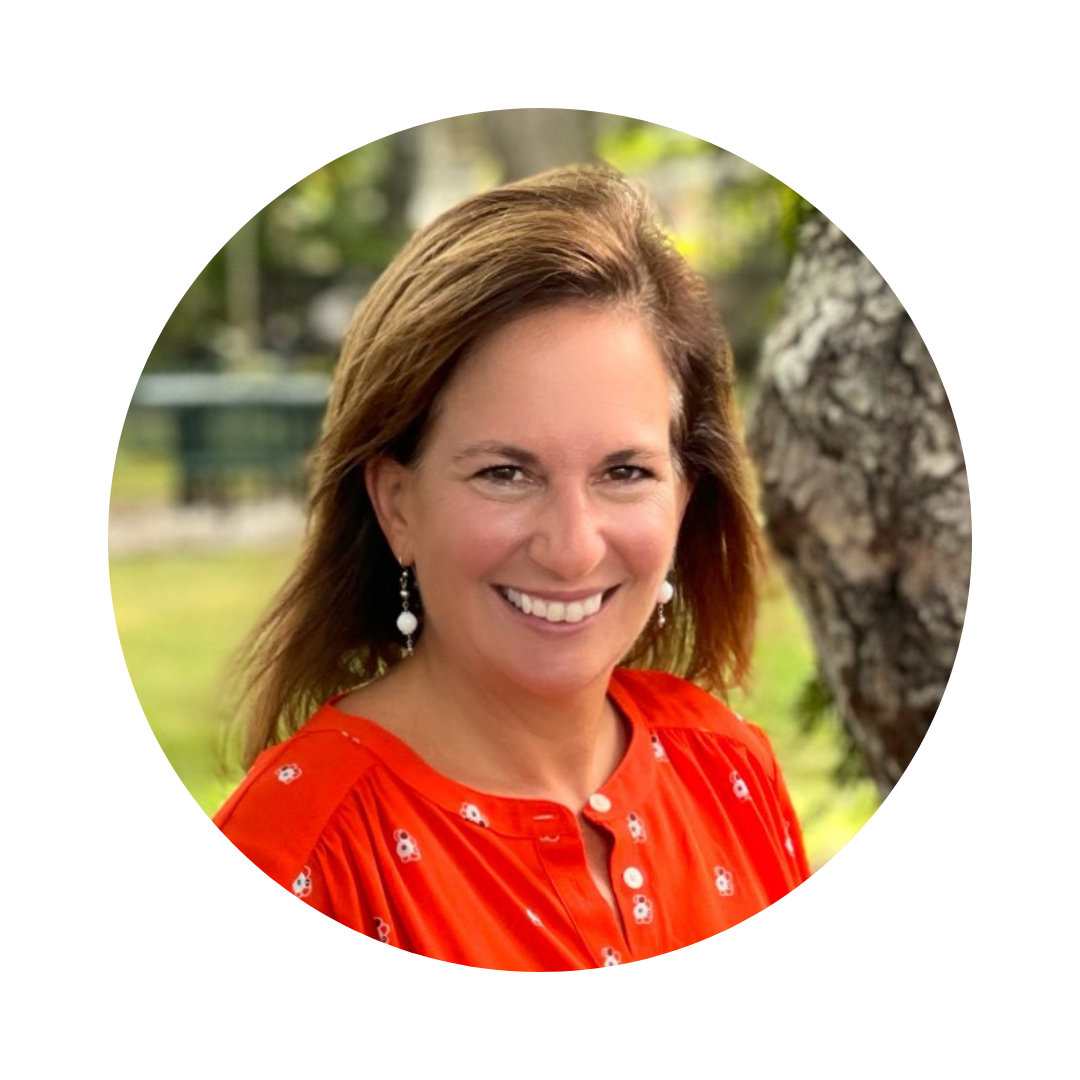
Tamra Cajo, LCSW

Statewide Director of FASD Services

The Florida Center for Early Childhood


Tamra Cajo, LCSW, is a bilingual licensed clinical social worker with nearly 20 years of experience in early childhood development and prevention. Tamra is actively involved in national efforts to support individuals and families affected by Fetal Alcohol Spectrum Disorders (FASD). She serves on the Executive Council of FASD United and the Board of FASCETS. She is a certified facilitator in the FASCETS Neurobehavioral Model, a TBRI Practitioner, and previously served as the Midwest lead trainer for ACT Raising Safe Kids. Her training also includes Circle of Security Parenting, Families Moving Forward, Helping the Non-Compliant Child, Chicago Parent Program, and Youth Mental Health First Aid.

This free training is offered as part of the FASD Program’s grant-funded deliverables and is hosted by The Florida Center Training Institute. Optional Continuing Education Units (CEs) are available for a separate administrative fee.