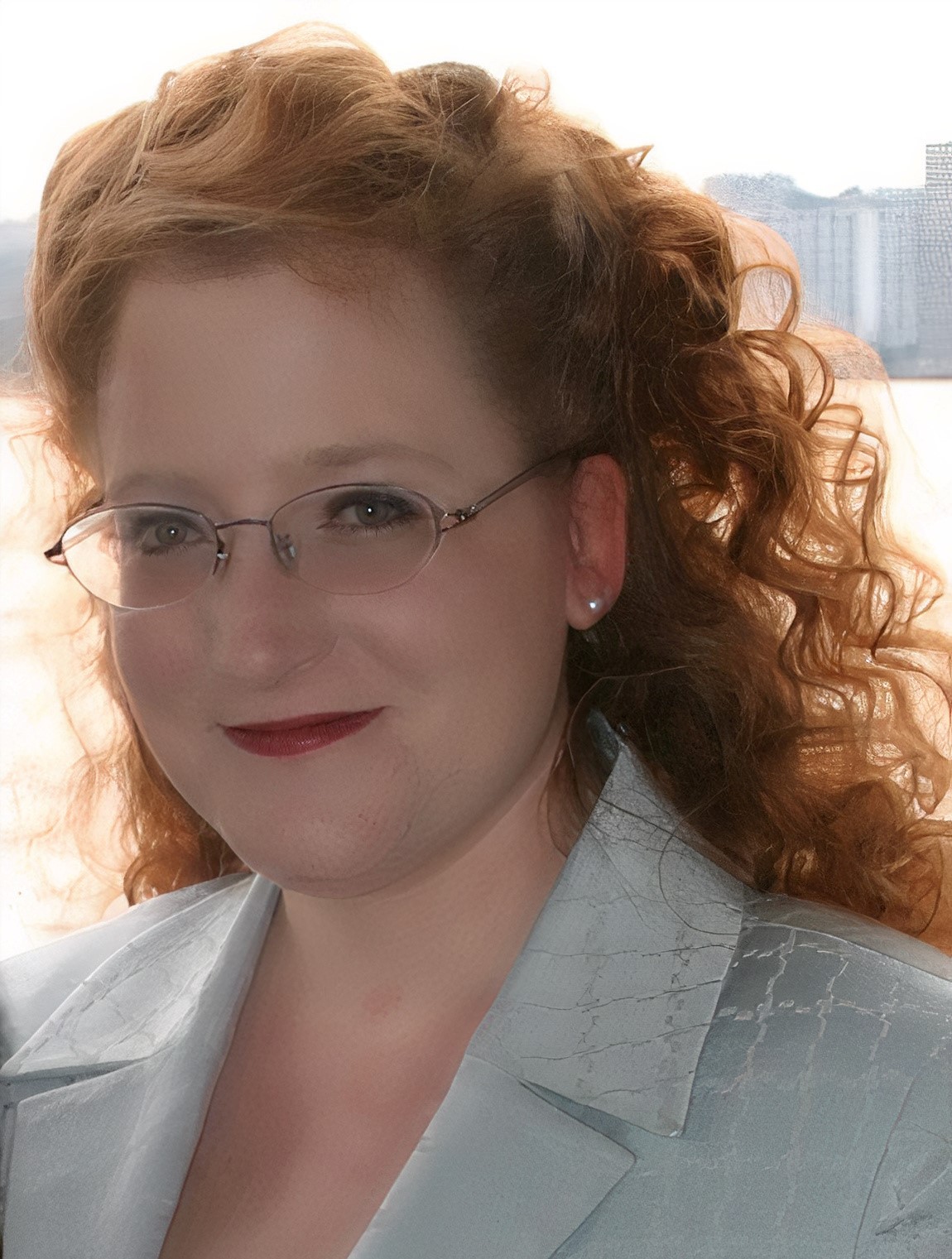
| Betsy Johnson has over 30 years of experience working in the field of Medical Ethics. In her work as a Medical Ethicist, she has focused on advocacy with and for people who have intellectual challenges, people who have autism and people who have an acquired brain injury. Betsy has written about and spoken nationally on the topic of Medical Ethics and People with Disabilities. In Betsy’s work, she is keenly aware of how disability bias can effect options offered to or for people with certain diagnoses. People can be judged as having a poor quality of life just because of a particular diagnosis. In reality, the person is enjoying a good quality of life, from their perspective. Decision making is personal and ought to reflect the values of the individual, not the values of others in a decision making role. In her role of medical ethicist, Betsy has the privilege of meeting with people who are self advocates to talk about options when making personal decisions, especially medical decisions. Many times, self advocates may choose to include family and friends in these discussions. One issue that shines through all conversations is the desire for a person to have control of their personal decisions. Whether this is through a health care proxy document, a durable power of attorney document, a Supported Decision Making agreement, limited guardianship or “full” guardianship, people still want to be in as much control as possible regarding personal decisions.
|