[[trackingImage]]

Council Member Althea Stevens to Hold Oversight Hearing on DYCD's Beacon and Cornerstone Programs Ahead of Summer

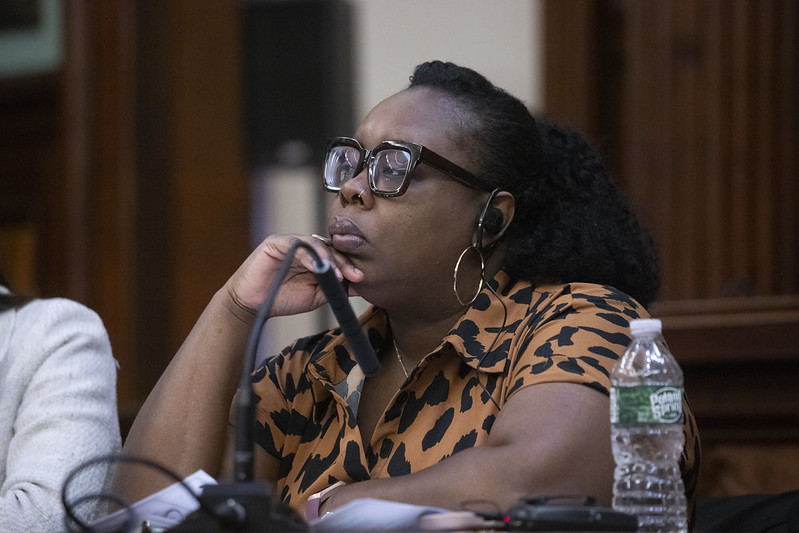
Credit John McCarten/NYC Council Media Unit

For Immediate Release


NEW YORK, NY (June 17, 2026) — As schools prepare to close for the summer and thousands of young New Yorkers look for safe, engaging places to learn, grow, and connect, Council Member Althea Stevens, Chair of the New York City Council Committee on Children & Youth, will convene an oversight hearing on Tuesday, June 23, 2026, to evaluate the Department of Youth and Community Development's (DYCD) Beacon and Cornerstone Community Center Programs.


The hearing oversight will focus on DYCD's Beacon and Cornerstone Programs and examine how these critical programs are serving children, youth, and families across New York City, while exploring opportunities to strengthen investments, improve facilities, expand programming, and ensure long-term sustainability.


"Summer should be a season of opportunity—not uncertainty—for our young people," said Council Member Althea Stevens, Chair of the Committee on Children & Youth. "Beacon and Cornerstone programs are more than after-school programs; they are community anchors that provide safe spaces, caring adults, educational support, leadership development, mental health resources, recreation, arts, and career readiness. As students leave the classroom for the summer, these centers become even more essential in helping our young people stay engaged, connected, and supported."

With 92 Beacon Centers located in public schools and 100 Cornerstone Centers operating throughout NYCHA developments, these community hubs collectively serve tens of thousands of New Yorkers every year. Programs include academic enrichment, STEM education, sports and recreation, arts and culture, leadership development, workforce readiness, mentoring, civic engagement, and family programming.


The hearing will also examine longstanding challenges facing providers, including:

  • Adequate funding for community-based organizations operating Beacon and Cornerstone sites.
  • Aging facilities and infrastructure, particularly within NYCHA developments.
  • Administrative burdens placed on nonprofit providers.
  • Future Requests for Proposals (RFPs) and opportunities to modernize programming.
  • Strategies to expand access and improve outcomes for youth citywide.

"As we continue addressing youth mental health, community safety, educational equity, and economic opportunity, we must recognize that prevention begins with investment," Stevens continued. "When we invest in community centers, we invest in healthier neighborhoods, stronger families, and brighter futures. Every young person deserves access to enriching programs that help them discover their potential."

In addition to the oversight hearing, the Committee will hear several resolutions focused on expanding opportunities for children and families, including proposals supporting youth sports investments, fatherhood initiatives, baby bonds for foster youth, guaranteed income programs, protections against predatory food marketing directed at children, and legislation to build long-term financial security for future generations.


The Committee will hear testimony from representatives of the Department of Youth and Community Development (DYCD), community-based organizations, advocates, youth leaders, and other stakeholders.


Hearing Information

Committee: Children & Youth

Chair: Council Member Althea Stevens

Date: Tuesday, June 23, 2026

Subject: Oversight: DYCD's Beacon and Cornerstone Programs


About Beacon and Cornerstone Programs


Beacon and Cornerstone Community Centers are among New York City's most important youth development initiatives, providing year-round programming for children, teens, adults, and older adults. Operating during after-school hours, evenings, weekends, and throughout the summer, these centers offer safe environments where participants can receive academic support, develop leadership skills, engage in arts and athletics, prepare for careers, access mentoring, and strengthen community connections.


Research consistently demonstrates that participation in high-quality community-based programs improves academic achievement, promotes positive youth development, reduces feelings of isolation, strengthens mental health, and helps young people build the confidence and skills necessary to succeed in school, work, and life.

As New York City enters the summer months, ensuring these programs remain accessible, well-funded, and responsive to community needs is critical to supporting the next generation of New Yorkers.


###


For more information or media inquiries, please contact the Office of Council Member Althea Stevens at (718) 588-7500 or at District16@council.nyc.gov


###