[[trackingImage]]


Leigh Creekside Park & Las Trampas Creek

Restoration Project

Program Manager: Dr. Paul Bettelheim

(LAST UPDATED 11/11/2026)


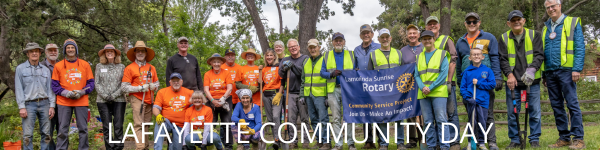
🙋🏻‍♀️ Volunteers Needed - FALL 2026


SATURDAY, NOV 14, 2026


Project: Native Planting & Habitat Restoration


Join your neighbors for a hands-on project to restore our creek's natural habitat! We'll be planting native plants that prevent erosion, support local wildlife, encourage biodiversity, and help create a healthier, more beautiful space for everyone to enjoy.

To volunteer & learn more, click here


🌿 Reviving a Lafayette Treasure

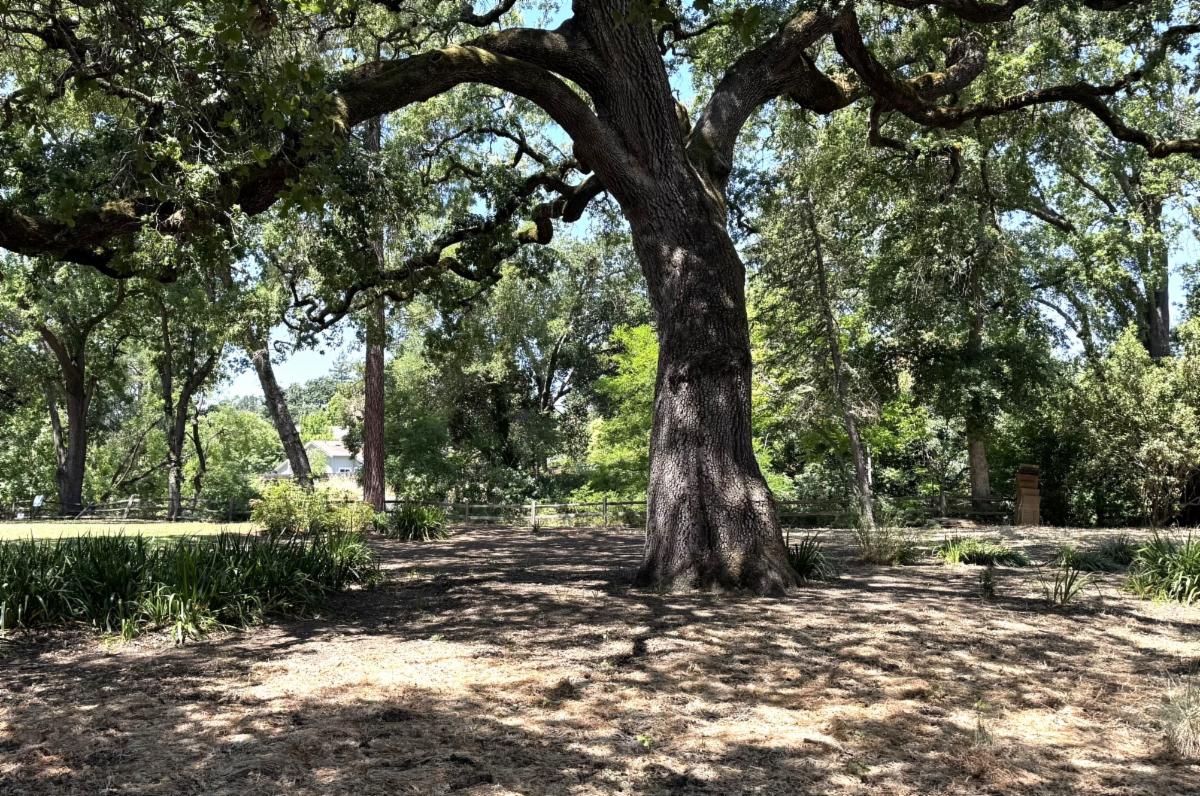
Nestled along Las Trampas Creek at Moraga Boulevard and Fourth Street, Leigh Creekside Park is a 1.1-acre green space with deep roots in Lafayette's history. Anchored by a magnificent century-old oak and just steps from the Lafayette-Moraga Regional Trail, the park has offered a peaceful retreat. Over time, however, invasive plants, deteriorating infrastructure and neglected areas along the creek have taken their toll.


Lamorinda Sunrise Rotary has partnered with the Lafayette Creeks Committee and The Restoration Trust to restore the creek's riparian habitat. Working with the City's Parks Department, the effort has expanded to include improvements throughout Leigh Creekside Park.


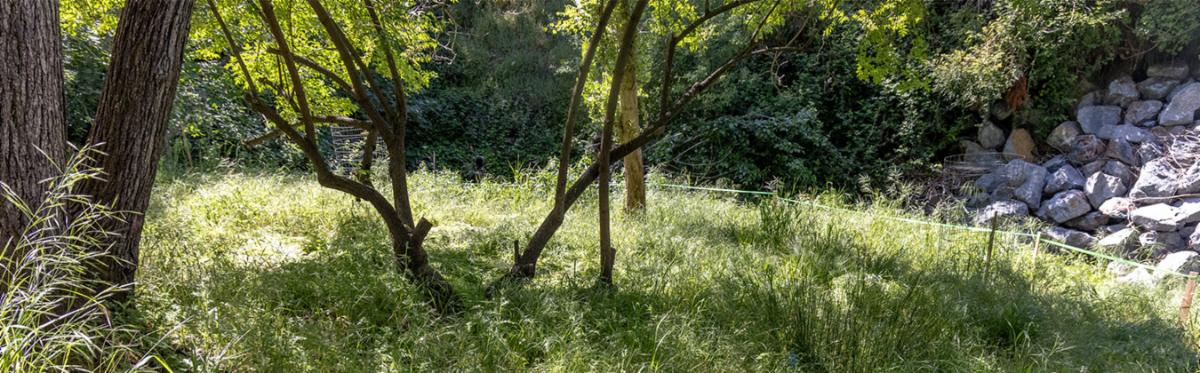
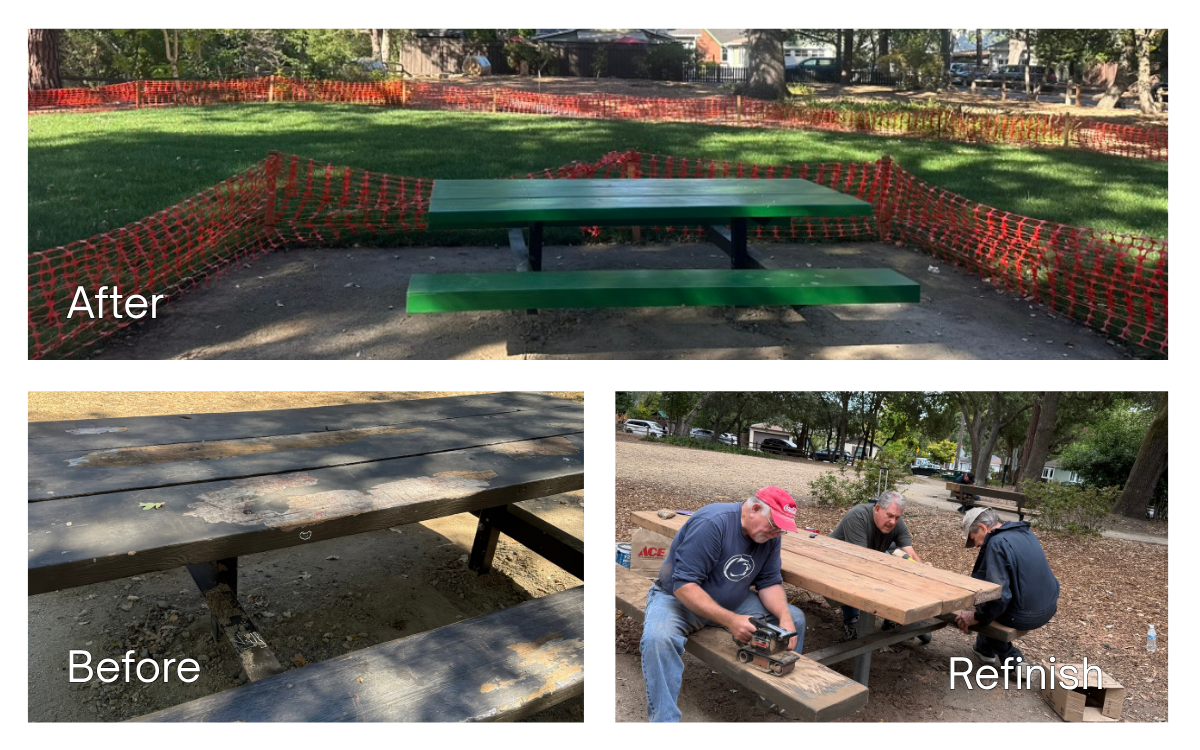
The transformation is well underway. Volunteers and professional crews have removed invasive vegetation, cleared more than 70 bags of debris, installed over 5,000 square feet of erosion-control materials, and planted hundreds of native plants. Meanwhile, park improvements include refinished benches and picnic tables, new landscaping and ongoing maintenance.


A Vision Beyond the Park

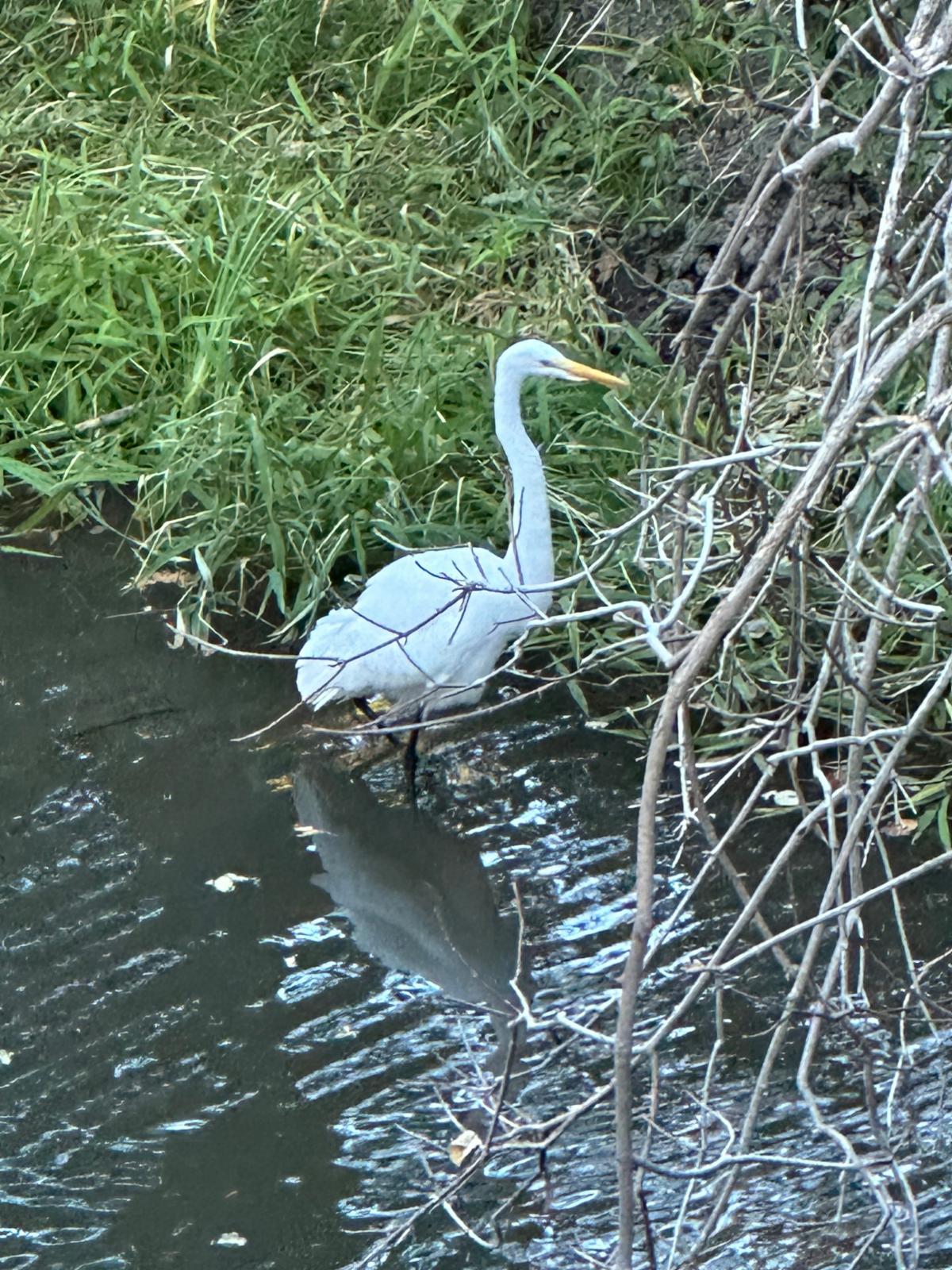
Our goal is more than restoring a neighborhood green space. We envision a thriving wildlife corridor, a model for creekside homeowners interested in restoring their own properties and a living laboratory where local students can learn about native plants, wildlife and environmental stewardship.


With continued community involvement, this historic corner of Lafayette can become an example of what neighbors, volunteers and local organizations can accomplish together.

Butterfly Habitat Restoration

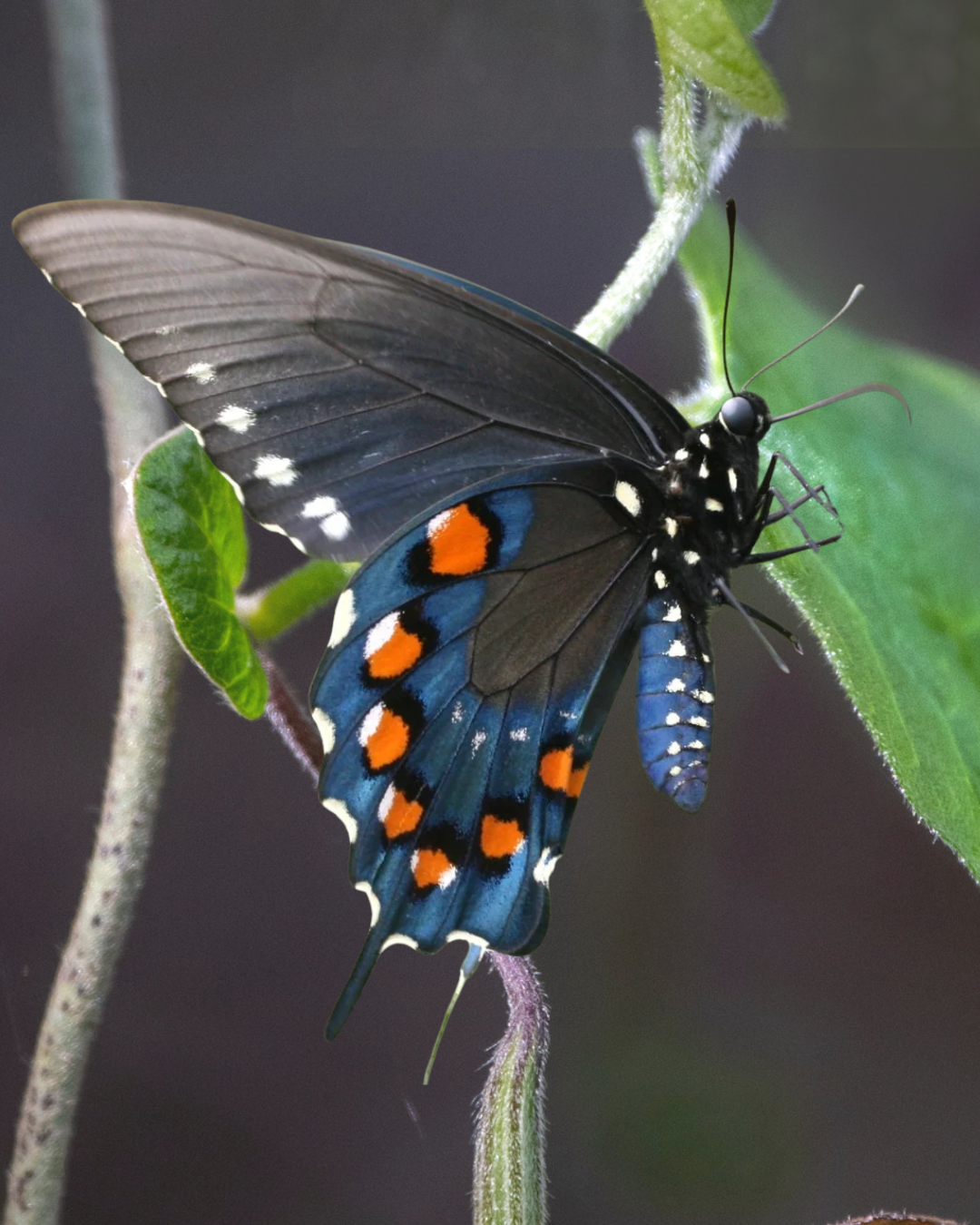
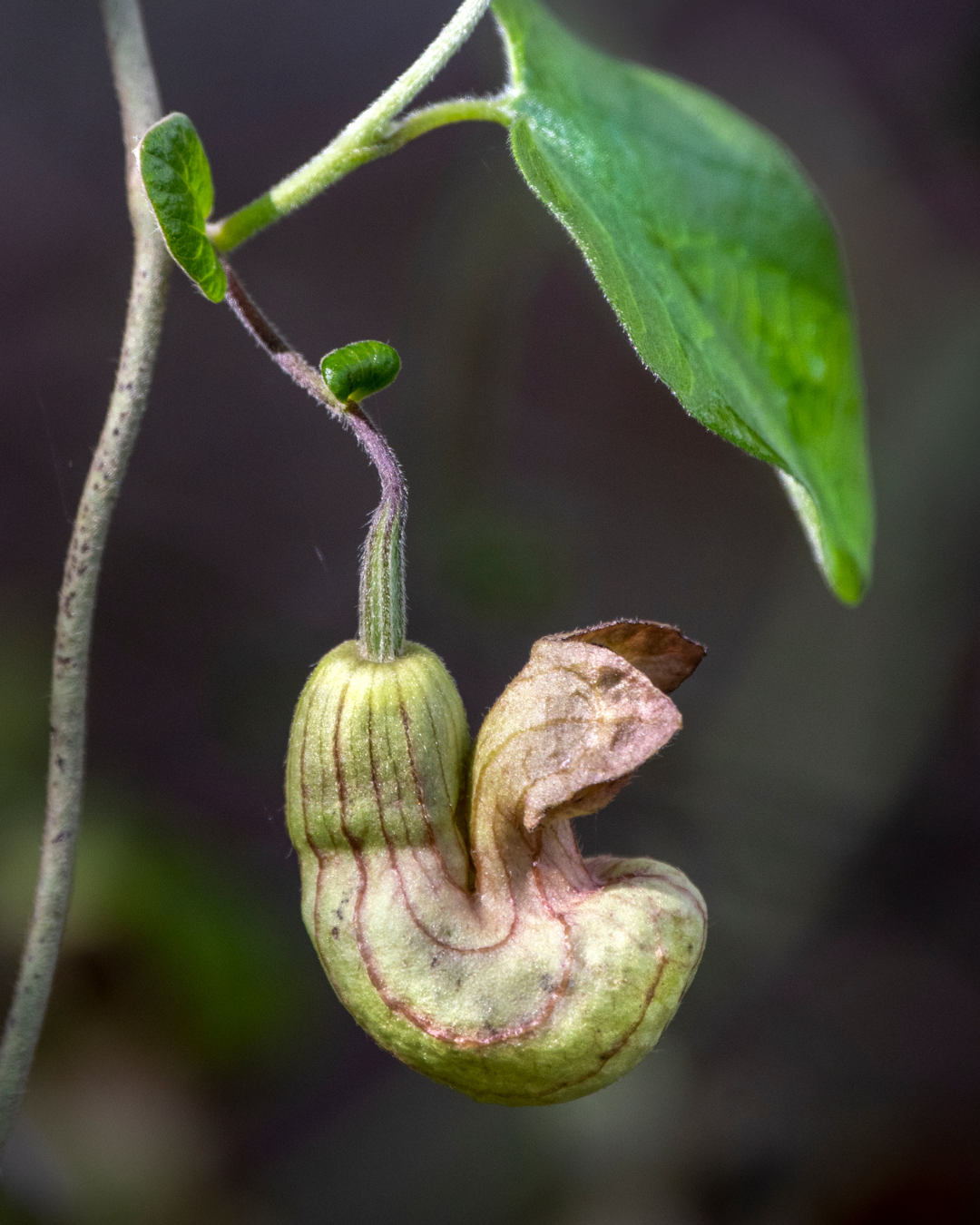
Native butterfly populations have been adversely affected by development and the loss of natural habitat. Incorporating native plants that provide essential food and habitat for butterflies is an important part of our restoration efforts. One example is California Pipevine, the essential host plant for the California Pipevine Swallowtail butterfly. This is just one of several native plant varieties introduced during our November workday to help support and restore local butterfly populations.


California Pipevine Swallowtail Butterfly

California Pipevine

📈 Progress to Date

Las Trampas Creek Riparian Area

Project Leader: Mark Lewis

  • April 2 and May 3, 2025: More than 20 volunteers, including Rotarians, Creeks Committee members, Lafayette Garden Club and Sustainable Lafayette members and residents of all ages, hand-removed wild onion, English ivy and other non-native plants from Zones 1 and 2 of the riparian creek bank.
  • June 13, 2025: Volunteers cut back invasive weeds so native grasses could flourish.
  • August 3, 2025: On planting day, volunteers planted more than 80 native trees and shrubs in Zones 1 and 2, caging the ones deer are likely to eat.
  • January 17, 2026: The team met on site with the Mt. Diablo Bird Alliance (Audubon) to plan nesting boxes for wood ducks, bluebirds and other native birds.
  • March 2026: Volunteers planted 1,200 Santa Rosa sedge plants, donated by the Restoration Trust, in Zones 1 and 2. Project Manager Mark Lewis installed irrigation in both zones.
  • April–May 2026: On two work days, more than 10 Rotarians and Creeks Committee members cleared wild onion, invasive grasses, berries and English ivy from Zones 1 and 2.
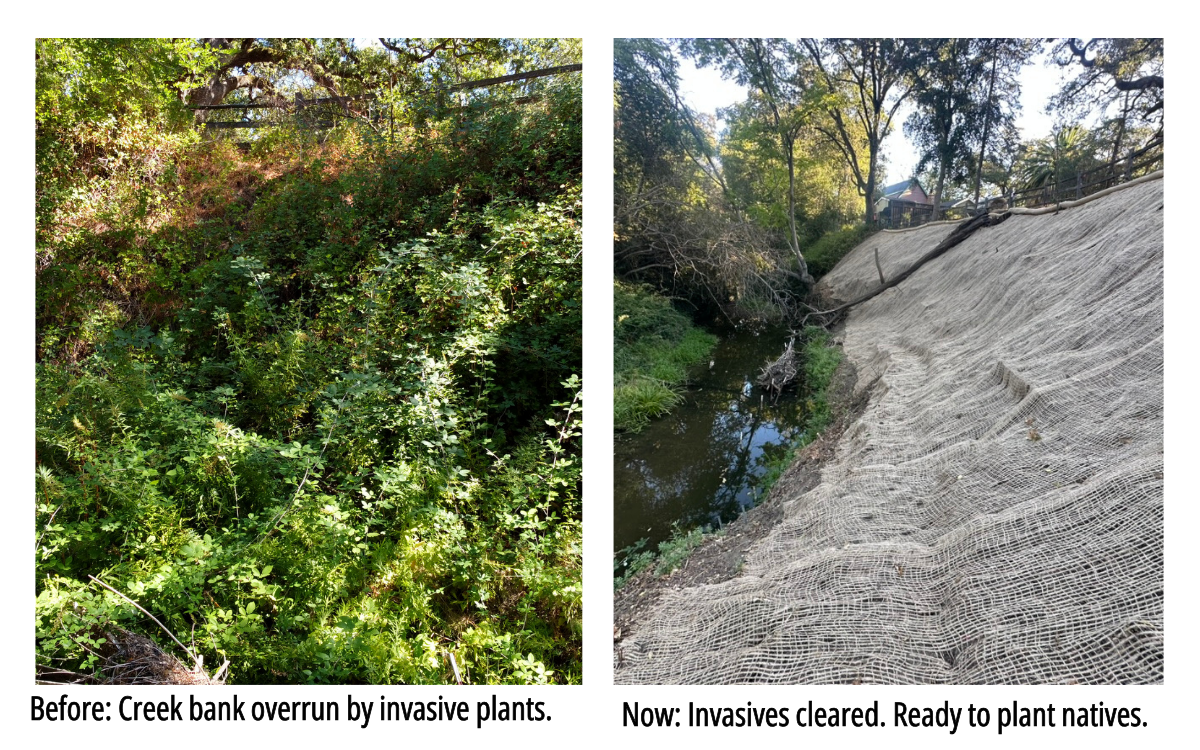
  • June 2026: Donato Tree Service removed invasive blackberry, shrubs and trees from the steep slopes of Zone 3.
  • August 2026: The Creeks Committee applied for a permit allowing volunteers to enter the creek and remove debris.
  • September 2026: Creeks Committee volunteers removed more than 70 bags of debris from the Zone 3 creek bank.
  • October 5, 2026: Donato Tree Service covered more than 5,000 sq ft of the Zone 3 bank with netting and wattles to prevent erosion this winter.

Leigh Creekside Park

Project Leader: Brad McCullough

  • April 2 and May 3, 2025: Volunteers weeded wild onion, vinca and invasive lilies.
  • August 2025: Volunteers laid cardboard and wood chips to smother weeds and repaired the fence.
  • January 2026: Volunteers weeded wild onion and planted sedge beneath the heritage valley oak.
  • August–October 2026: Volunteers refinished the benches and picnic tables.
  • September 2026: The City installed a new lawn and planted four California redbud trees.
  • October 2026: 30 volunteers planted natives in the park.

🌱 Growing the Next Generation of Environmental Stewards

Restoring Leigh Creekside Park isn't just about improving the environment today. It's also about inspiring the people who will care for it tomorrow.


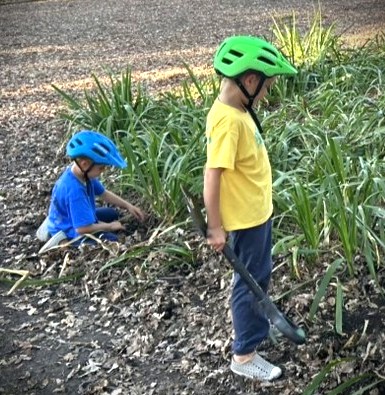
Recently, two seven-year-old twins from Burton Valley Elementary School enthusiastically pitched in to remove invasive iris plants. Thanks to their experience at the school's Merriewood Garden, they already understood how plant roots stabilize soil and how erosion-control materials protect creek banks. They put that knowledge to work—and had a wonderful time doing it!


Their enthusiasm is a reminder that environmental stewardship can begin at any age, and that even our youngest neighbors can make a meaningful contribution.


👣Next Steps

This project is a work in progress, and much remains to be done.


Coming up

  • November 2026: Plant natives in Zone 3 of the creek bank, including milkweed for native butterflies. Members of the Contra Costa Resource Conservation District will join the planting event.
  • Install irrigation in the park and in Zone 3 to support the new plantings.
  • Once the permit is approved, remove the metal stakes and boards placed in the creek years ago as a protective barrier. They are unsightly and no longer effective.
  • Plant willows along the creek to stabilize the bank.
  • Continue aggressive weeding along the creek bank and in the park.

Future plans

  • Plant identification signs
  • Nesting boxes for bluebirds, wood ducks, owls and other birds, in collaboration with the Mt. Diablo Bird Alliance (a possible Scouting project)
  • Housing for native bats
  • Memorial seating honoring a late Rotarian, funded and built by Rotary club members
 

✨ Contributors

These businesses and public agencies contributed services, materials and professional expertise:

  • City of Lafayette
  • City of Lafayette Creeks Committee (our working partner)
  • The Restoration Trust
  • Bryn Rowe Landscape Design
  • Contra Costa Resource Conservation District
  • Donato Tree Service
  • Mt. Diablo Resource Recovery
  • Cal Trout
  • TriMac Landscaping
  • Paddy Kehoe Team
  • Lafayette Garden Club
  • Wild Harvest and Restoration Fund
  • California Bluebird Recovery
  • Mt. Diablo Bird Alliance
  • Sustainable Lafayette

📣Get Involved

Want to be part of this community-driven restoration?

Together, we are bringing new life to this historic corner of Lafayette. We invite you to be a partner in this project as a volunteer or donor: