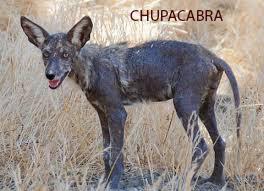
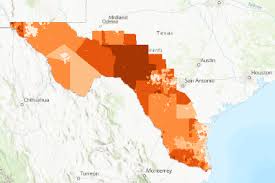
| Chupacabra is a legendary creature and folkloric monster, whose name means "goat-sucker" in Spanish. The creature first appeared in Puerto Rico in 1995, following several mysterious livestock deaths. Descriptions of the chupacabra vary widely but often depict a blood-sucking nocturnal predator with sharp fangs and spines. However, scientific investigation suggests that many purported chupacabra sightings and remains are actually coyotes or other canids suffering from severe mange, a skin disease that causes hair loss and scaly gaunt appearances. Possible Geographic Habitat Chupacabra's habitat is linked to rural and agricultural areas, especially near forests; fields; and farms, with specific reports pointing to humid forests and farmlands in Puerto Rico and semi-arid plains and scrublands in Texas and northern Mexico. Other regions where it exists could include the Caribbean, Central and South America, and the southwestern United States. Reports and Analysis of Range
- Puerto Rico
- Humid, forested regions and farmland
- Texas and northern Mexico
- Semi-arid plains and scrublands
- Southern United States and Central America
- Areas with farms and livestock
- General Habitat: Prefers areas with a high density of livestock (its main food source) and avoids densely populated human areas.
Habitat Preference Explained
- Chupacabra is often associated with livestock, so its habitat is often found near farms and ranches.
- Association with forests, scrublands, and plains suggests a preference for more natural and secluded environments where it can hide and hunt.
- Analysis suggests that areas with a high density of livestock are more suitable habitats for chupacabras.
Origin and Legend
- Puerto Rican Origin: Legends originated in Puerto Rico in 1995 after a series of livestock deaths were reported, with these animals found drained of blood.
- Name: Coined by Puerto Rican comedian Silverio Pérez and translates to "goat-sucker" from the Spanish words "chupar" (meaning "to suck") and "cabras" (meaning "goats").
- Description: Early sightings described a bipedal creature with reptilian skin, large eyes, long fangs, and a spine with quills, resembling a vampire-like monster.
Scientific Explanation
- Mange: Researchers and biologists have concluded that the majority of sightings, particularly in North America, are actually wild canids, such as coyotes, or even raccoons, suffering from sarcoptic mange.
- Symptoms: Mange, caused by parasitic mites, leads to significant hair loss, leaving animals with a gaunt, hairless, and scaly appearance that can seem monstrous and unusual to eyewitnesses at first glances.
- Behavior: Sick and immunocompromised animals may be desperate for food, causing them to venture closer to human settlements and livestock, further fueling encounters and fear.
- Media Phenomenon: Chupacabra became a popular figure in folklore and media across the Americas, appearing in songs; books; and movies.
- Urban Legend: Sensational nature of reported blood-draining attacks and the mysterious creature made the chupacabra a classic modern urban legend, captivating public imagination.
|