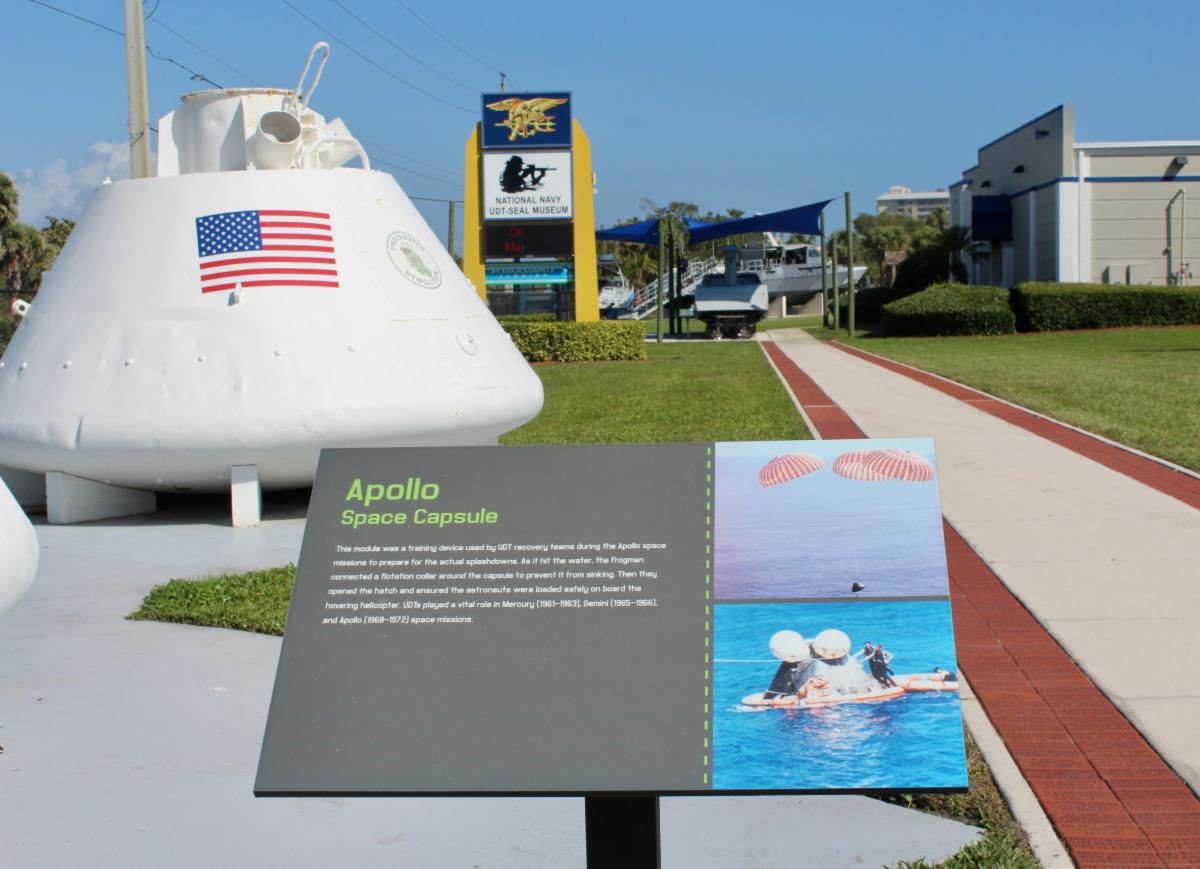
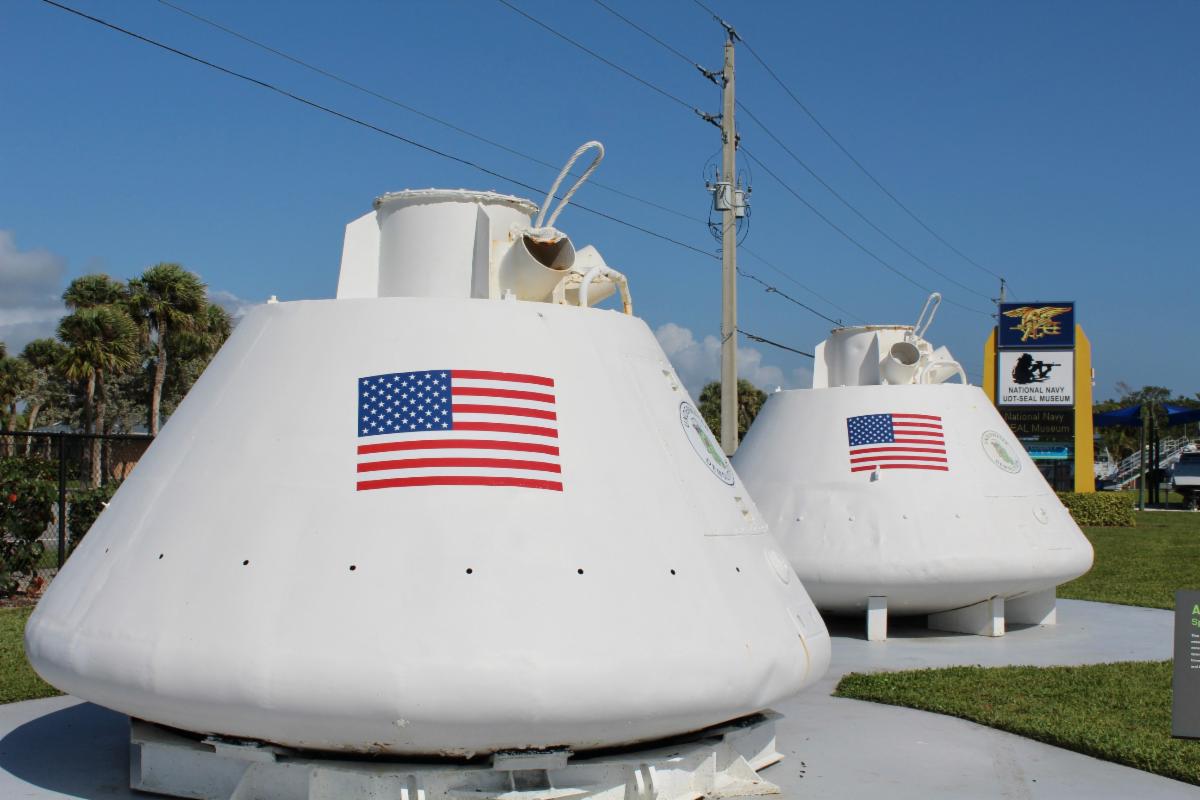
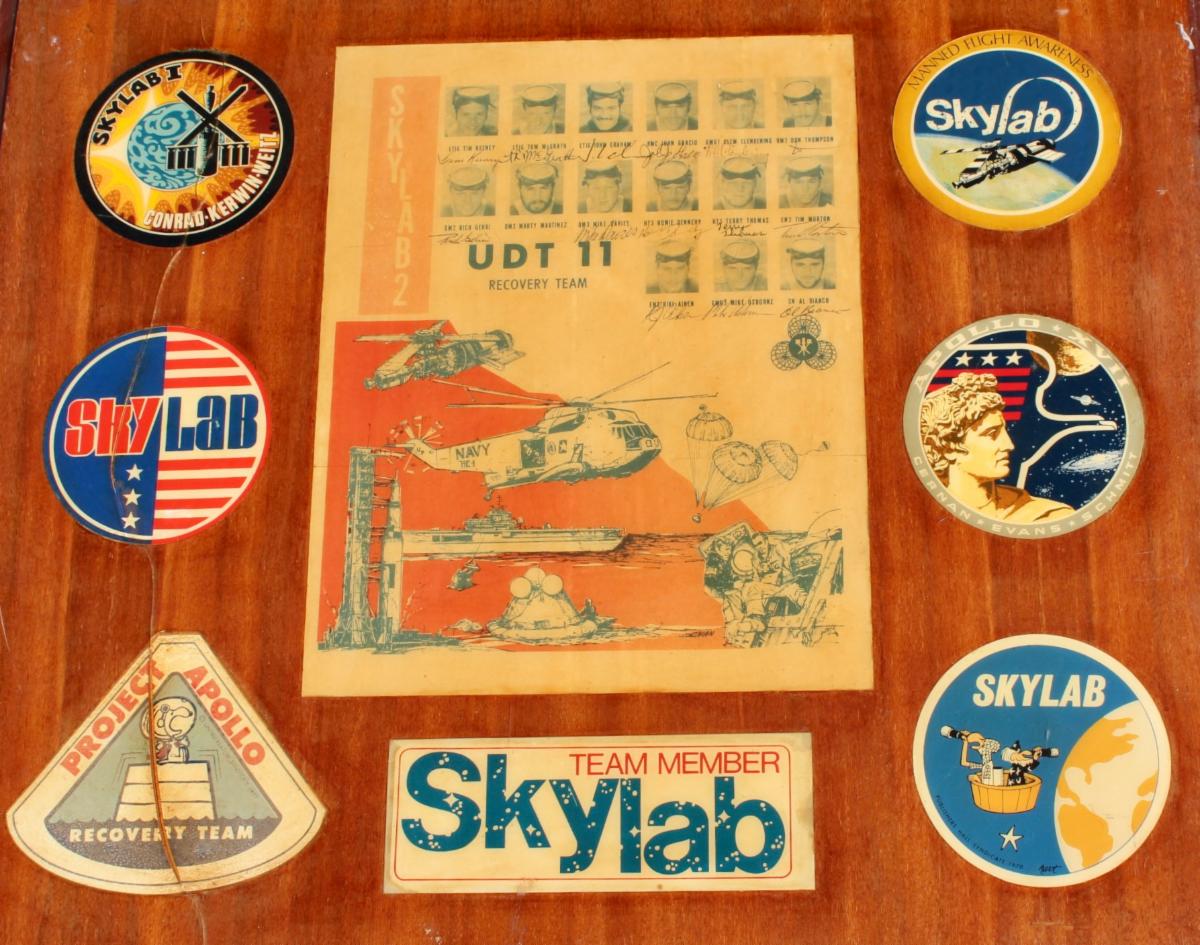
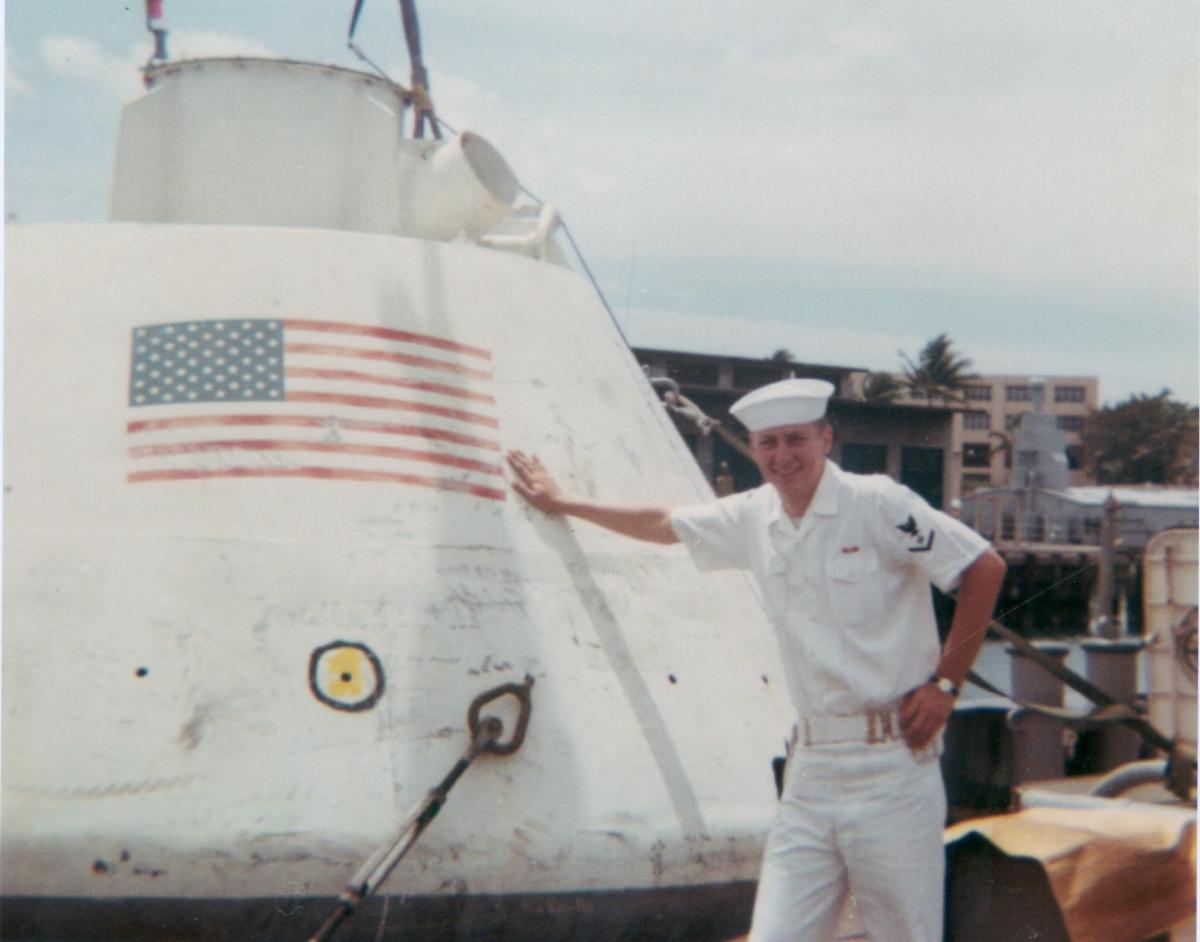
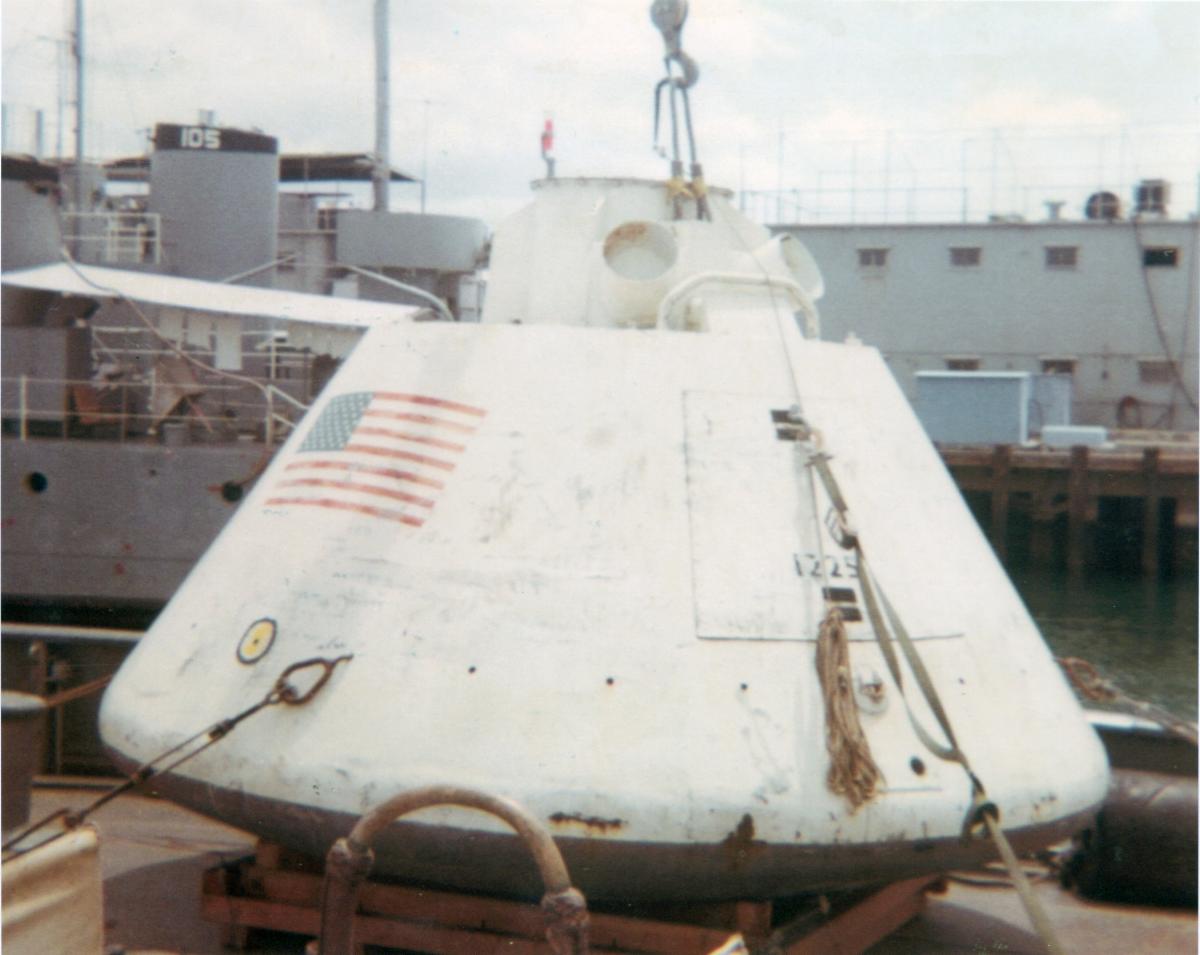
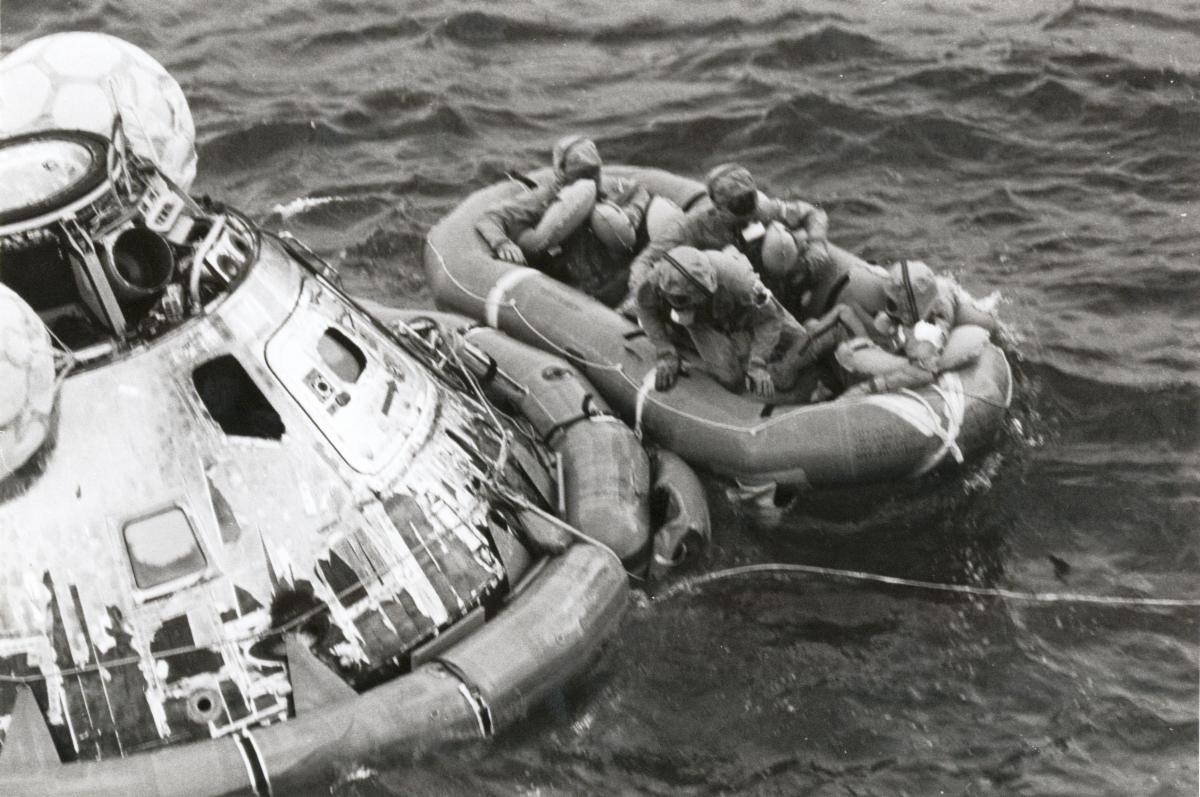
| UDT-11 and the Recovery of Apollo Space Capsules Underwater Demolition Team 11 (UDT-11) played a crucial role in NASA’s Apollo program by securing and recovering command modules after splashdown. These missions were vital to ensuring astronaut safety and preventing biological contamination upon their return from space. UDT-11 was assigned to multiple Apollo missions—including Apollo 10, 11, 12, and 13—and was stationed aboard aircraft carriers such as the USS Hornet and USS Iwo Jima to execute these operations. UDT-11’s Role in the Apollo 11 Recovery On July 24, 1969, following the first successful Moon landing, the Apollo 11 Command Module, Columbia, splashed down in the Pacific Ocean approximately 812 nautical miles southwest of Hawaii. The UDT-11 Team, operating from the USS Hornet, deployed via helicopters to execute recovery procedures. Lieutenant Clarence “Clancy” Hatleberg, the lead decontamination swimmer, jumped into the ocean alongside his team and swam toward the module to attach a flotation collar, preventing it from sinking.¹ Once the capsule was stabilized, Hatleberg handed out Biological Isolation Garments (BIGs) to the astronauts—a precautionary measure to prevent potential contamination from lunar microbes. He then scrubbed the capsule’s exterior with a sodium hypochlorite solution before helping the astronauts into a life raft for transport to the USS Hornet's quarantine facility.² This procedure was essential to NASA’s Lunar Receiving Laboratory (LRL) protocols, which sought to mitigate the risk of extraterrestrial contamination. Training and Preparedness UDT-11’s effectiveness stemmed from intensive training with NASA. Before the Apollo missions, team members participated in water egress training in the Gulf of Mexico, where they practiced astronaut retrieval under simulated splashdown conditions. This training ensured seamless coordination between UDT personnel, NASA officials, and the U.S. Navy during real-world recoveries. UDT-11’s Legacy in Apollo Recoveries UDT-11’s contributions extended beyond Apollo 11. The team played pivotal roles in subsequent recoveries, including Apollo 12 and the dramatic Apollo 13 mission, in which their skills were crucial in retrieving a crippled spacecraft returning to Earth after a near-catastrophic oxygen tank explosion.³ The professionalism and efficiency of UDT personnel solidified their place in NASA history, paving the way for future recovery efforts in the space program. References ¹ Richard W. Orloff and David M. Harland, Apollo: The Definitive Sourcebook (Chichester, UK: Springer-Praxis, 2006), 333. ² NASA, "Apollo 11 Technical Air-to-Ground Voice Transcription," accessed March 25, 2025, https://sma.nasa.gov/SignificantIncidents/assets/apollo-11-mission-report.pdf. ³ Gene Kranz, Failure Is Not an Option: Mission Control from Mercury to Apollo 13 and Beyond (New York: Simon & Schuster, 2000), 275.
Bibliography Kranz, Gene. Failure Is Not an Option: Mission Control from Mercury to Apollo 13 and Beyond. New York: Simon & Schuster, 2000. NASA. "Apollo 11 Technical Air-to-Ground Voice Transcription." Accessed March 25, 2025. https://sma.nasa.gov/SignificantIncidents/assets/apollo-11-mission-report.pdf. Orloff, Richard W., and David M. Harland. Apollo: The Definitive Sourcebook. Chichester, UK: Springer-Praxis, 2006. United States Navy Band. "The Recovery of Apollo 11." YouTube video, posted July 29, 2019. https://www.youtube.com/watch?v=jBTliuk-eXI.
|