[[trackingImage]]
LinkedIn Share This Page

ConnectCares

ConnectCare MD's Monthly Newsletter

April 2025

ConnectCareMD.com

Whether you’re a patient, caregiver, provider—or all of the above, like Dr. T—Connect with us where you’ll find insights, stories, and resources to support you.

20240526_203748-845x1024.jpg

After a successful 30-year career in primary care, emergency medicine, and hospital-based care in Rochester, NY, I transitioned from the bedside back to the office to continue my passion for helping patients through ConnectCare MD. As your personal physician liaison, I attend doctor appointments with you when family can't, then share an easy to understand report with both you and your family the very next day.

MENTAL HEALTH for the win !.png

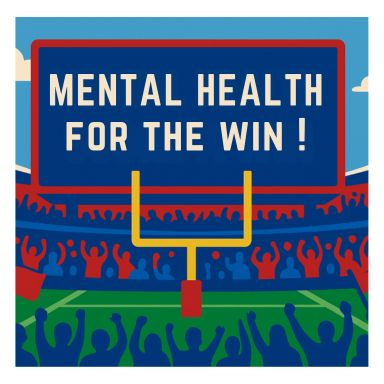
🏈 Not Just for the Buffalo Bills: Why YOU Need a Mental Health Team!


Treatment of mental illness is often a team-based approach. I know it is still the off season, but this is not unlike “The Bills”. Josh Allen could not function without his front line, running backs and wide receivers, and neither should you. But did you know that the Buffalo Bills even have their own team sports psychologist? 


Who is on your mental health roster and what position do they play?


  • Psychiatrist--Psychiatrists are MDs, medical doctors, who go to medical school and have additional bedside or maybe I should say couch side training related to the diagnosis and treatment of mental illnesses. Together with psychiatric nurse practitioners and physician assistants, they are the only ones on your team who can prescribe medications in New York State.


  • Psychologist--Psychologists are PhDs-people who have advanced training and education in clinical psychology and counseling. Like others on your team, they can provide psychotherapy (commonly known as counseling or therapy) but are also qualified to perform psychological assessments and diagnoses which guide the type of therapy they use to help their clients.


  • Licensed Clinical Social Worker (LCSW)--LCSW are exactly that- social workers that have advanced supervised clinical training and licensure which qualifies them to provide mental health therapy.  Like psychologists and psychiatrists, LCSWs can diagnose psychiatric conditions, but their approach to therapy for these conditions may be different. LCSWs often employ a holistic perspective, considering the environmental and social factors that play a role in your mental health. On the other hand, psychologists may utilize psychological testing, and focus more on your inner thoughts, feelings and behaviors.


What do they all share in common?--Regardless of who is in your lineup, the most important part of your mental health journey with your therapist is the “therapeutic relationship.” Simply stated, do you click? Do you trust your provider? Are you comfortable sharing information about sensitive and deeply personal topics? If you have more than one professional on your team, do they communicate and work together? 


Getting back to the Bills-if Josh Allen had no trust that Kincaid was able to catch his next pass, would he throw the ball? Would they even be on the same team? 


Choose your mental health team wisely, and as always, Go Bills!

If you’d like help finding mental health resources or discussing how ConnectCare MD can support your care team, we’re here for you. 💚You are not alone.

Warmly,

Dr. T

ConnectCare MD

💭 Just a Bad Day—or Is It Depression?


We all feel sad from time to time. But how do you know when these feelings are just a part of bad day or whether they represent a diagnosis of depression?

When symptoms of depression are persistent or interfere with normal everyday functioning it may be time to visit your doctor.  Currently, nearly 10% of adults suffer from clinical depression, however it is believed that so many more unnecessarily suffer in silence.


Warning signs of depression:

  • Feeling guilty, helpless or hopeless
  • Changes in sleep (either with excessive sleepiness or difficulty sleeping)
  • Loss of interest in activities that were once pleasurable
  • Change in your appetite (either loss of appetite or eating excessively)
  • Thoughts of suicide
  • Physical symptoms that do not improve with treatment


The good news is that depression is treatable.  But since depression is not just about sadness, the treatment is not simply a ‘happy pill’. Your doctor may recommend counseling (therapy), prescribe medications or suggest a combination of both. 


Most importantly, know that you are not alone, and help is available. For immediate help, call or text 988 lifeline - a 24-hour, free and confidential support line which can direct you to resources, even if you are in crisis. 

Walking on Sunshine!.png

Walking on Sunshine! The Latest Bright Spot to Improve Your Mental Health


Every feel refreshed and better after a nice walk on a beautiful sunny day?  


It is no secret that regular exercise is associated with improved health. Whether it is to help with weight loss, cardiovascular health, improvement in cholesterol or even mental well being, exercise helps us all live healthier lives. The good news is that with local gyms springing up everywhere this season, getting there is more convenient than ever. But what if all you needed was to literally put one foot in front of the other and step out your front door to prevent or even treat depression?


A recent review showed that people who walk just 5,000 steps daily experience fewer symptoms of depression like sadness and hopelessness. But when these people added a few more skips to their steps, they actually lowered their risk of being diagnosed with the disease. 


Not only can walking decrease symptoms and risk of developing depression, it may be important in treating the disease.   A separate study revealed that walking, especially when outdoors, can even be a part of a successful treatment plan for those living with depression. 


While no one really knows how regular walking helps depression, it is thought that exercise induces increased levels of serotonin and norepinephrine, the exact biochemical pathways targeted by common medications used to treat depression. Walking however comes with no side effects, except for desirable ones—improvement in blood pressure,  heart disease and diabetes.


Celebrate spring and mental health awareness with your next steps to improve your mental and physical health. Just put one foot in front of the other, take a walk outside and tiptoe through the tulips. It’s as easy as a walk in the park!

Facebook  LinkedIn

"Connect with Us!"

For more information and to schedule a free consult call

"Dr. T" at (585)727-0235

www.ConnectCareMD.com