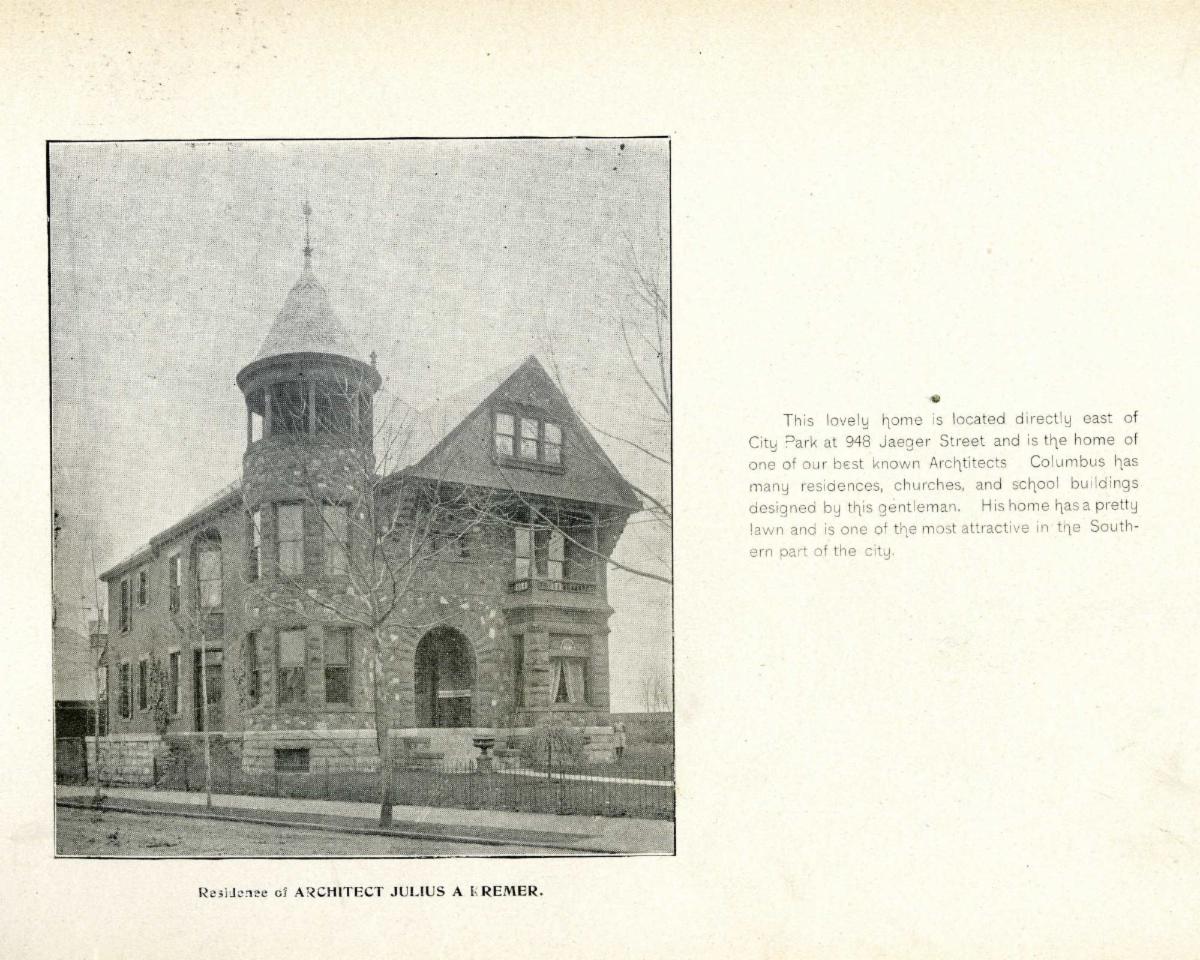
The Gilded Age of German Village Julius A. Kremer | 948 Jaeger Street “This lovely home is located directly east of City Park at 948 Jaeger Street and is the home of one of our best-known Architects. Columbus has many residences, churches, and school buildings designed by this gentleman. His home has a pretty lawn and is one of the most attractive in the Southern part of the city.” — Handsome Homes of Columbus (1887)
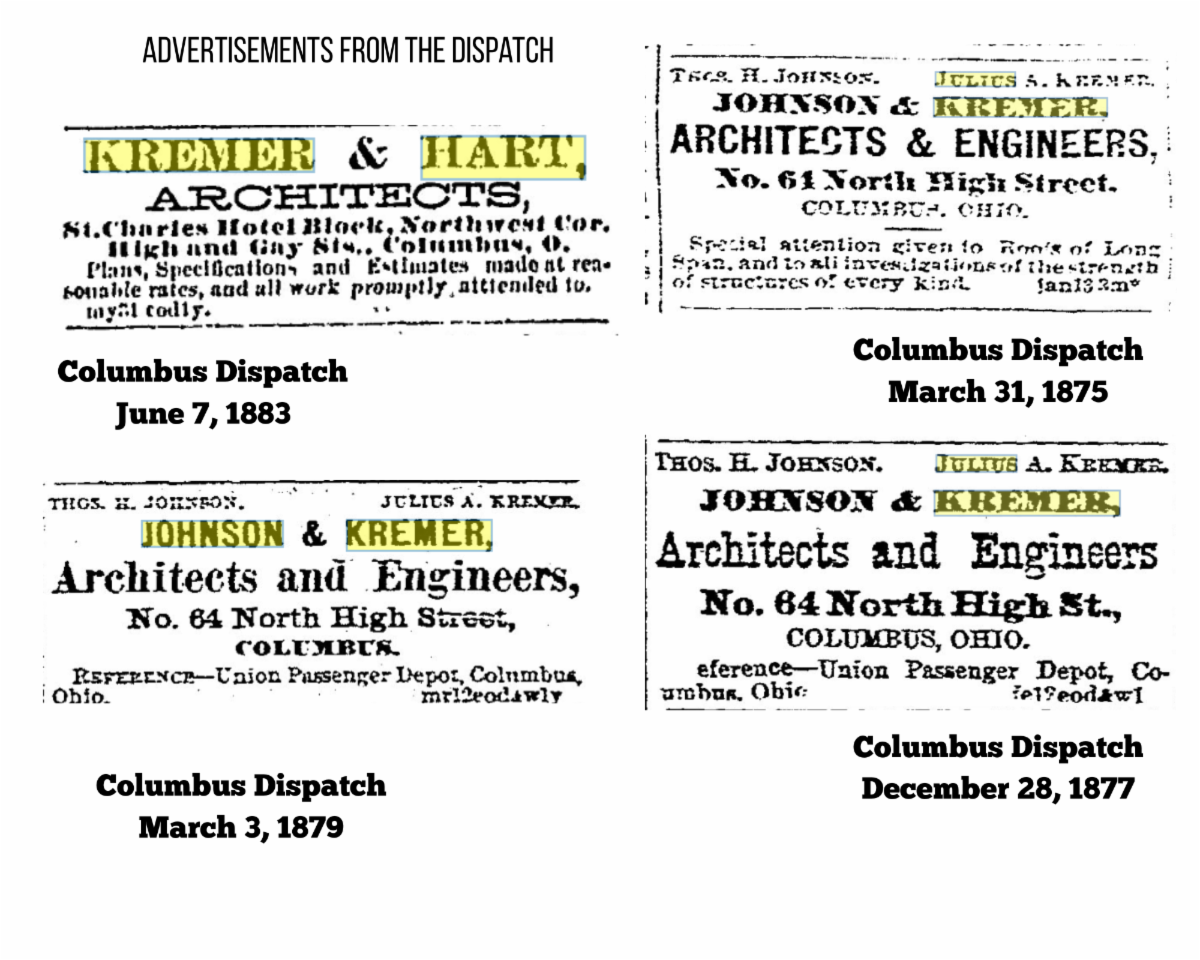
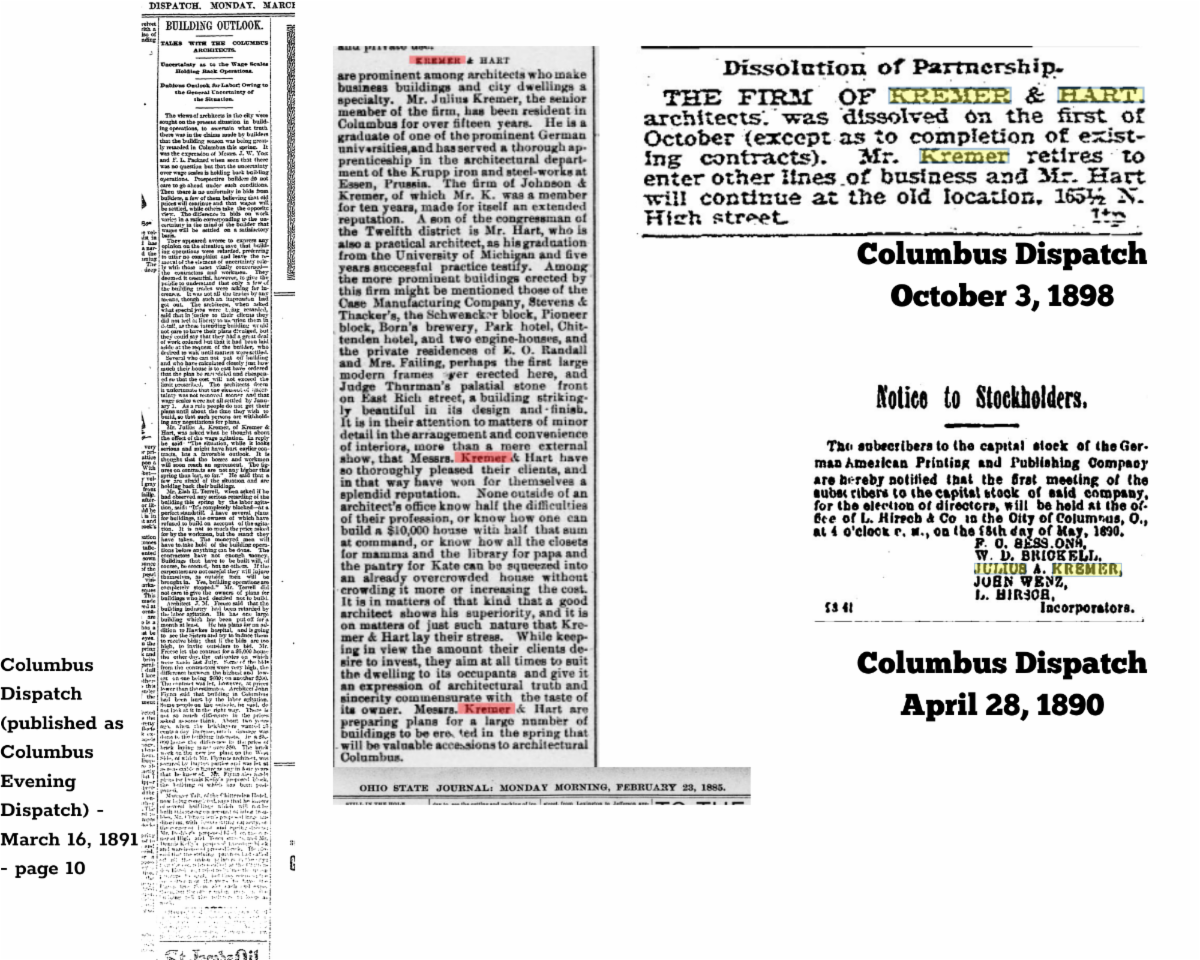
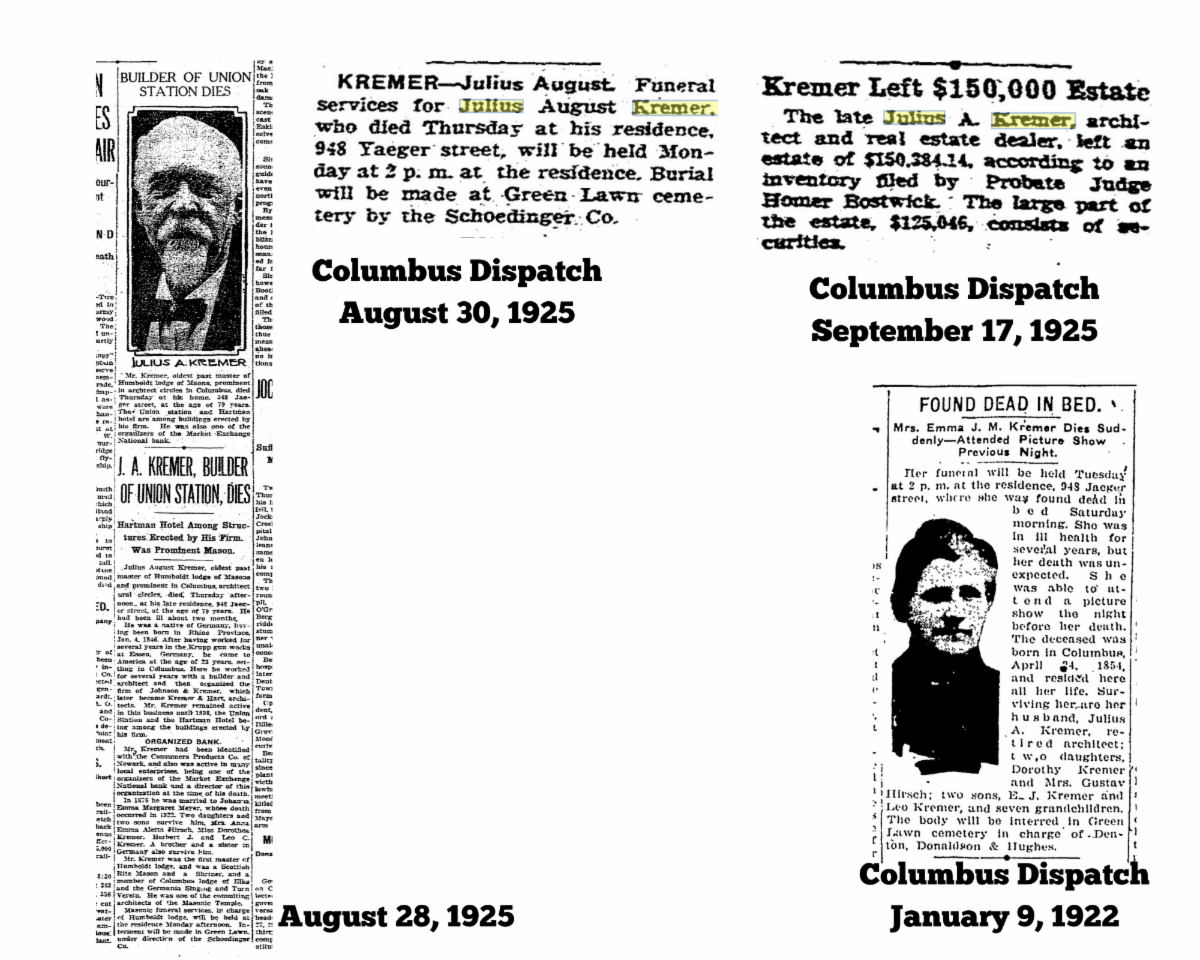
Julius A. Kremer was more than an architect; he was a man whose work and influence shaped Columbus during its Gilded Age boom. Born January 4, 1846, in Germany’s Rhine Province, Kremer began his career in the Krupp Iron Works at Essen before coming to America at age 23. By the time he designed his own residence at 948 Jaeger Street, a home that still stands at the corner of Jaeger and Reinhard, he had become one of the city’s most prominent architects.
The Architect and His Landmark Home Kremer’s house at 948 Jaeger has fascinated historians and neighbors for decades. In a 1976 Columbus Dispatch article, writer Ben Hayes described it as “the pretentious house at the northeast corner of Schiller Park,” noting that its stones were sourced from around the world, including Kremer’s native Rhine Valley. Among German immigrants, it became known as the Schwartenmagen House because its mottled stonework resembled liver pudding; others called it the Head-Cheese House. Whatever the nickname, the home remains one of the most distinctive in the Village.
The Architect’s Influence Kremer left an architectural legacy that extends well beyond German Village. He designed residences, courthouses, commercial buildings, and civic spaces across Ohio, including:
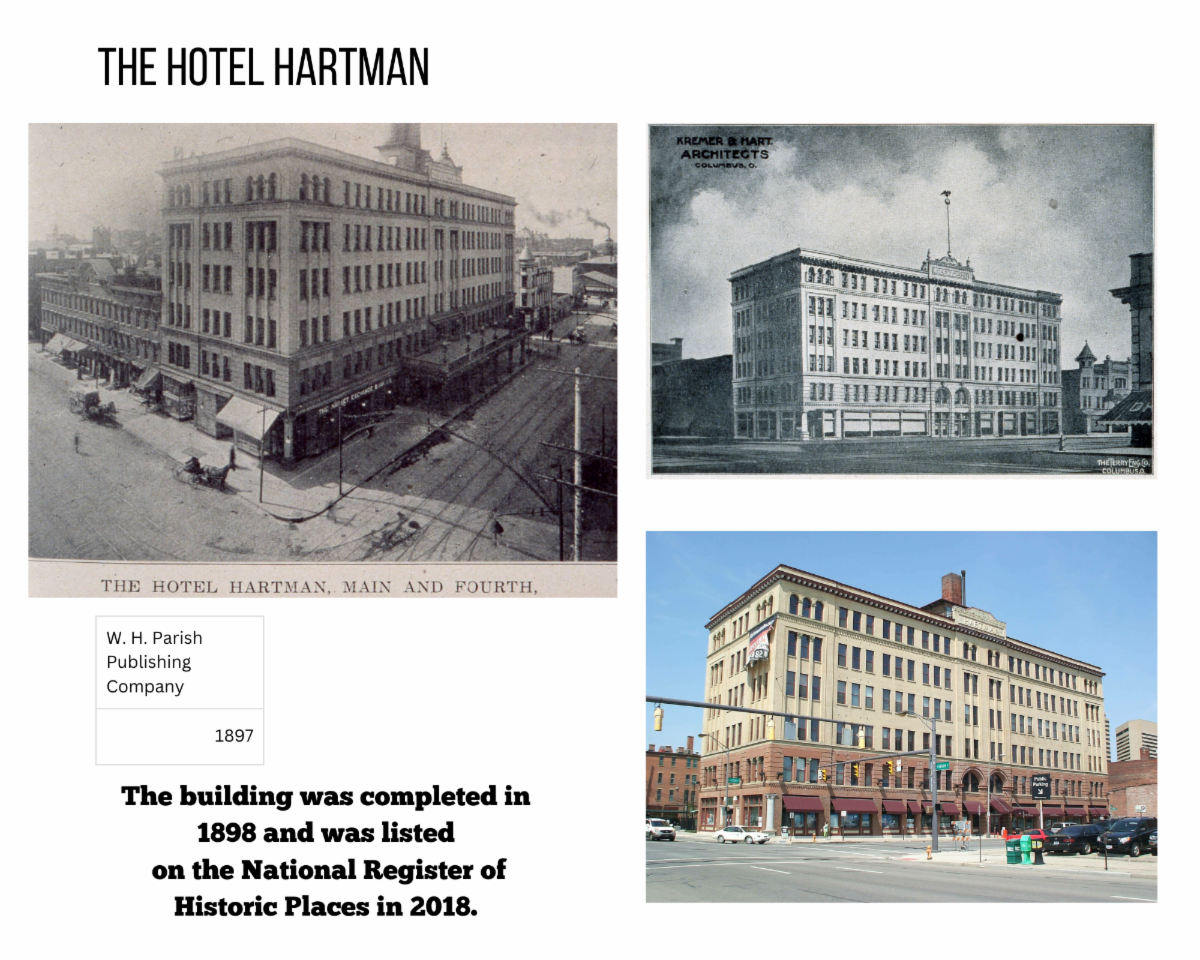
- Hotel Hartman (1898), the grand commercial building at Main and Fourth, now on the National Register of Historic Places.
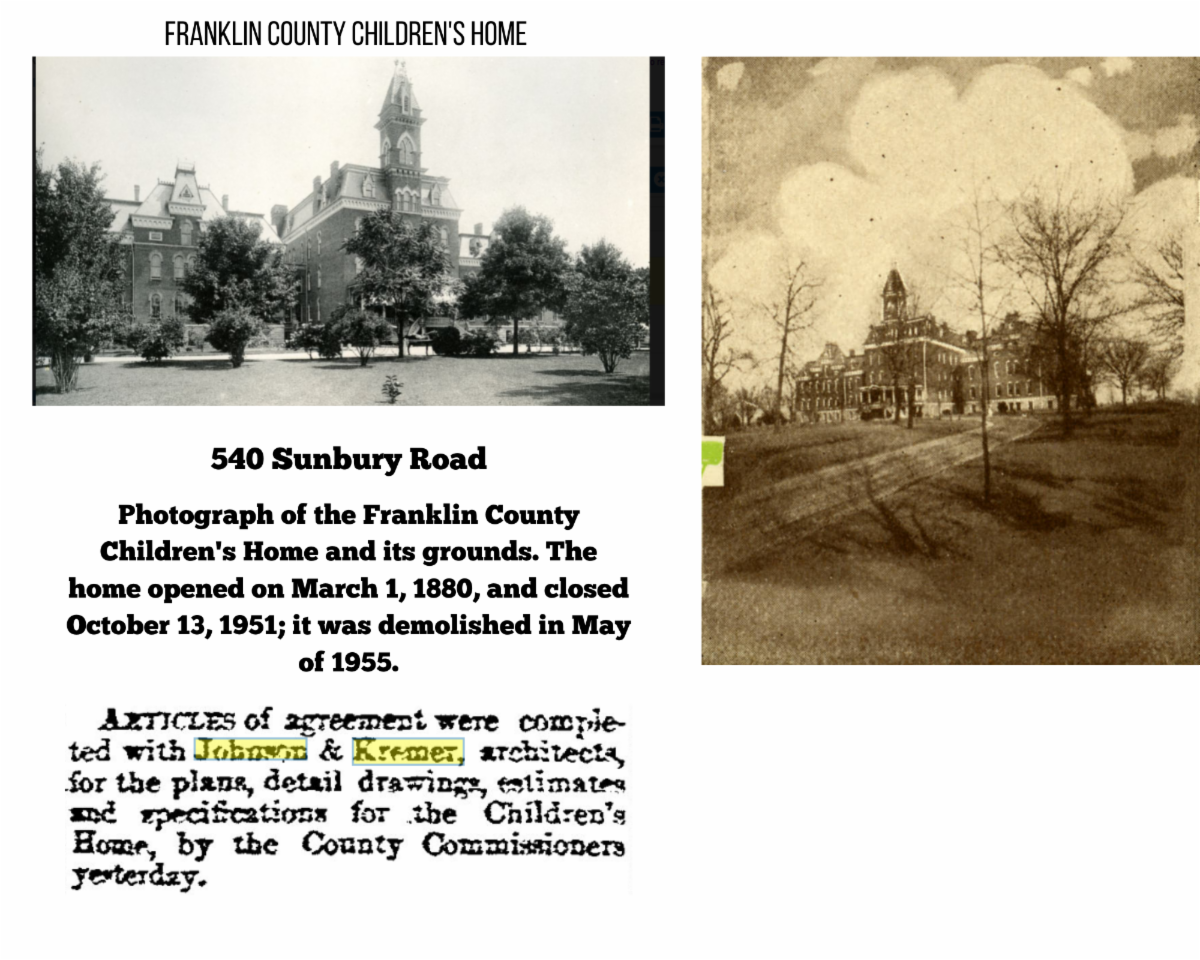
- Franklin County Children’s Home (1880), a vital institution of its time.
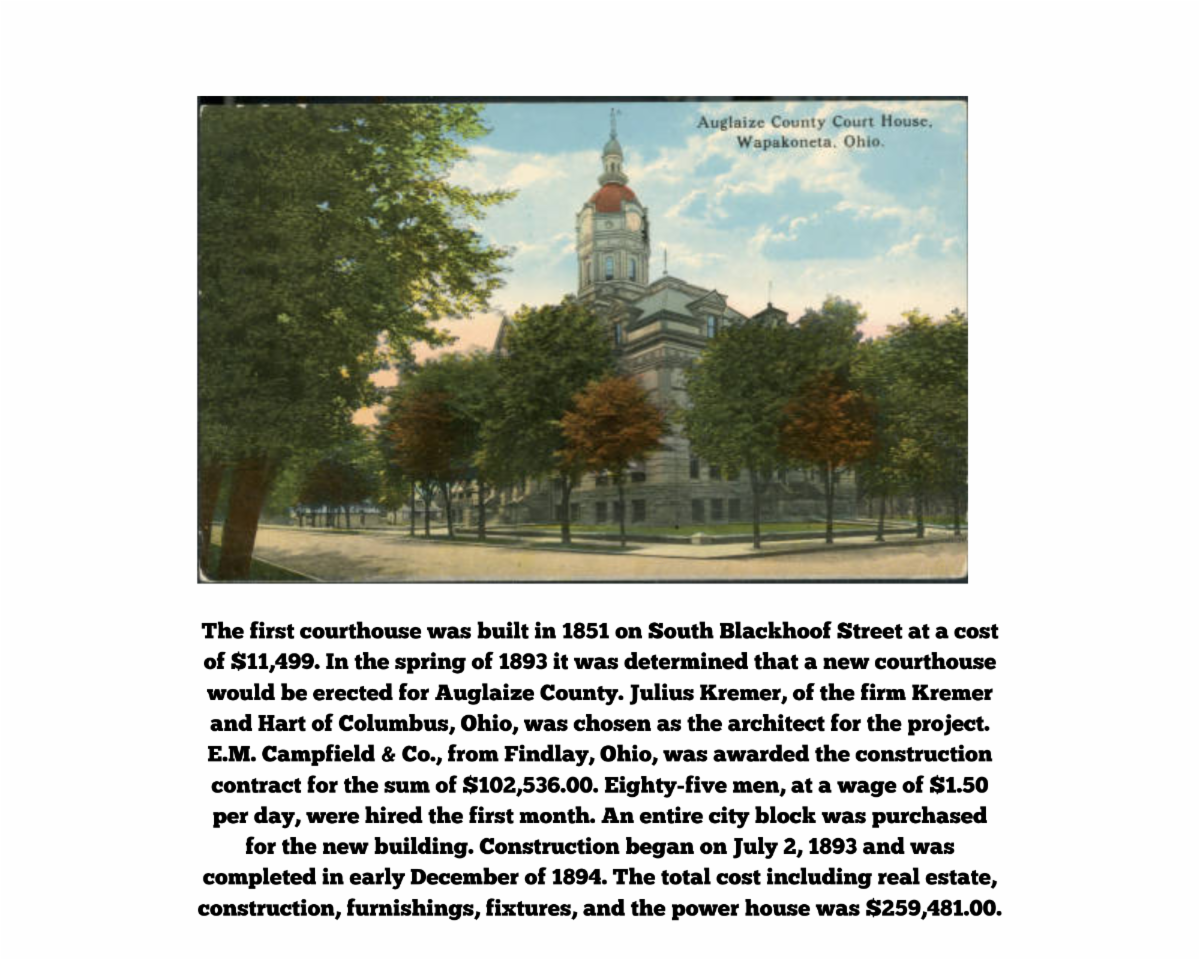
- Auglaize County Courthouse (1894), still standing in Wapakoneta.
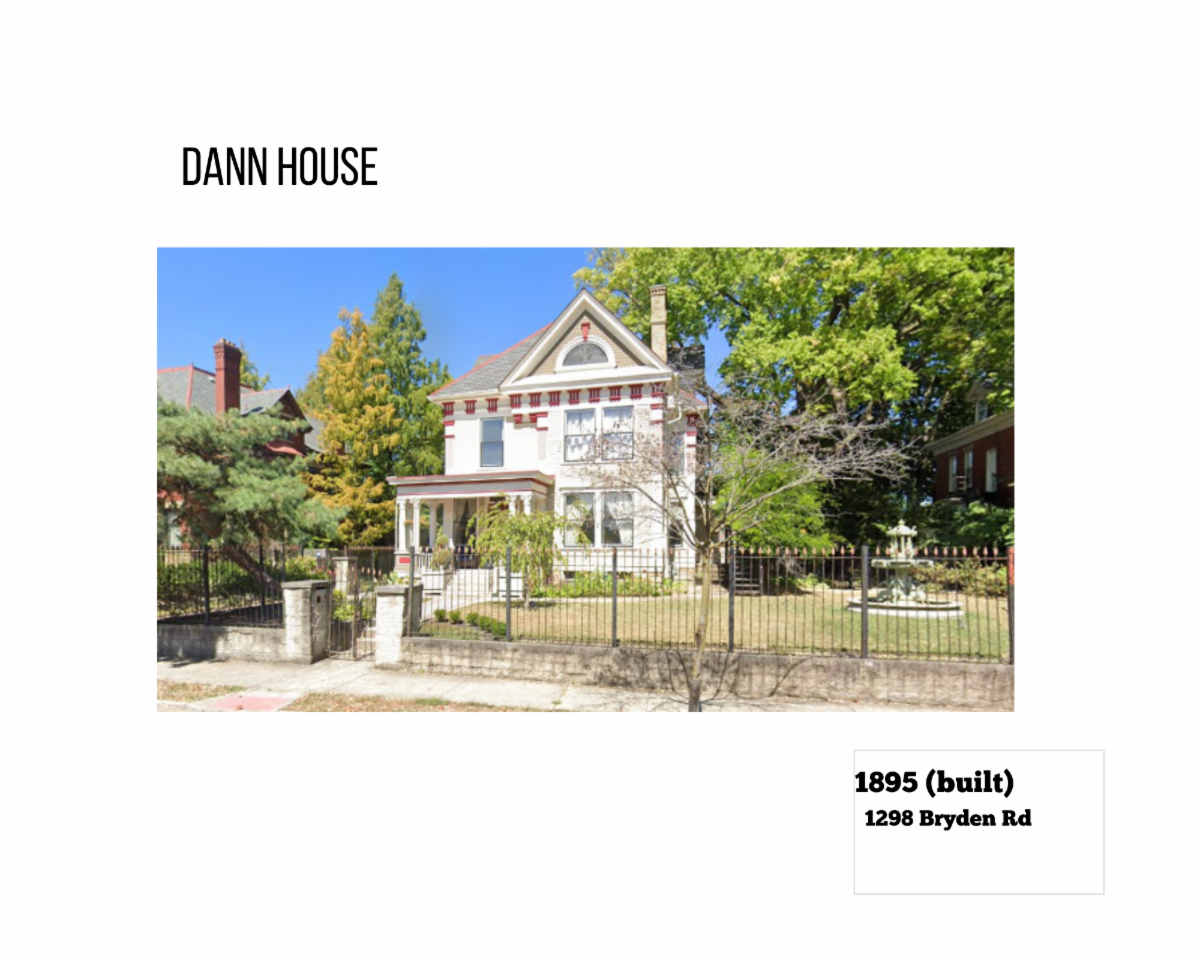
- Dann House (1895), a beautiful residence at 1298 Bryden Road.
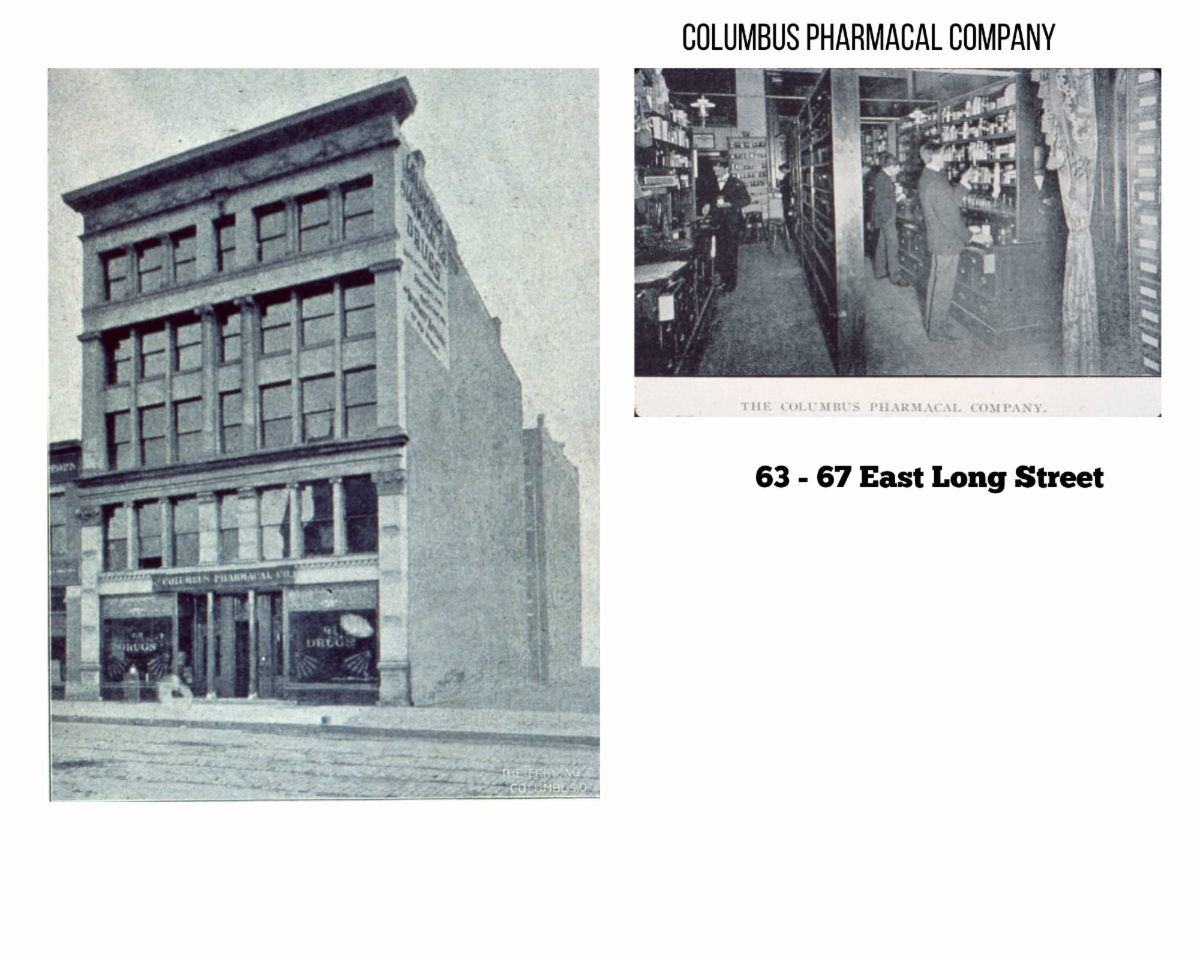
- Columbus Pharmacal Building (1896) at 63 Long Street.
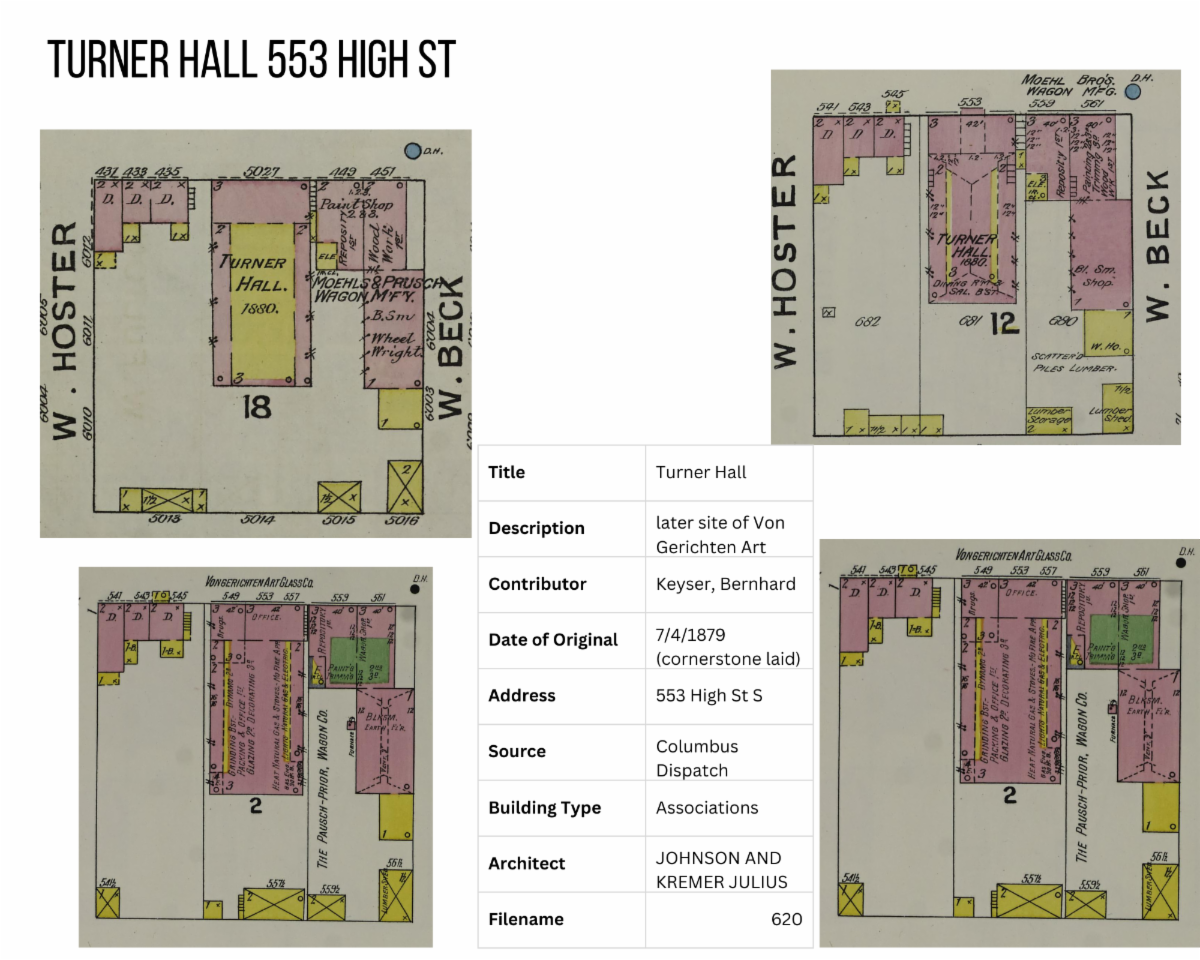
- Turner Hall (1879), later home to Von Gerichten Art Glass.
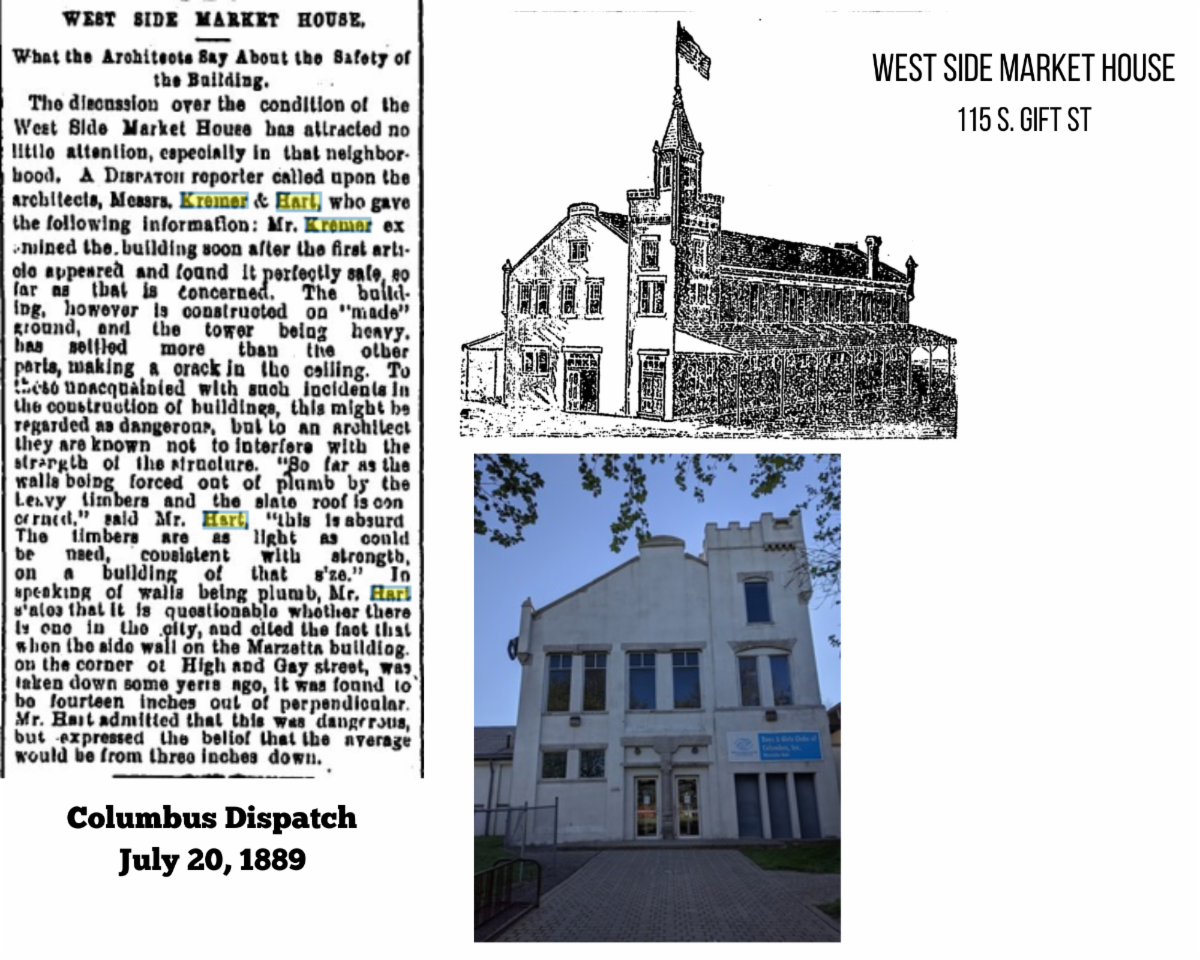
- West Side Market House (1889), located at 115 S. Gift Street—a historic gem that appears on Columbus Landmarks’ 2025 Most Endangered Sites list, making preservation of his work a topic as relevant today as it was in his lifetime.
Beyond Architecture: A Business Mind at Work As Columbus’s population exploded—from 31,000 in 1870 to over 125,000 by 1900—Kremer recognized the potential of real estate. In 1886, he and a partner purchased land from the C.F. Jaeger estate to develop Blesch and Kremer’s Subdivision near today’s East Kossuth and Ebner Streets. Newspaper records show this was a successful venture, proving Kremer understood both design and the economics of growth.
A Surprising Role in Labor and Immigration Digging deeper, I discovered a very different side of Kremer. In 1895, the German-language paper Der Westbote reported that he had been hired to recruit German miners for Ohio coal companies—a move that drew criticism in the press. Some accused Kremer of luring workers into unfair contracts and even suggested they arrived armed. The paper pushed back:
“It is not true that the people over there have been bound by a five-year contract… They have only committed themselves to earn their crossing costs here.”
The article explained why Kremer was chosen:
“The company came up with the idea of sending the local architect Kremer to Germany… The choice probably fell on him mainly because he comes from a coal region of Germany and is familiar with the conditions there.”
This labor story reminds us that the Gilded Age wasn’t all polished stone and fine architecture—it was also a time of immigration debates, labor agitation, and economic extremes.
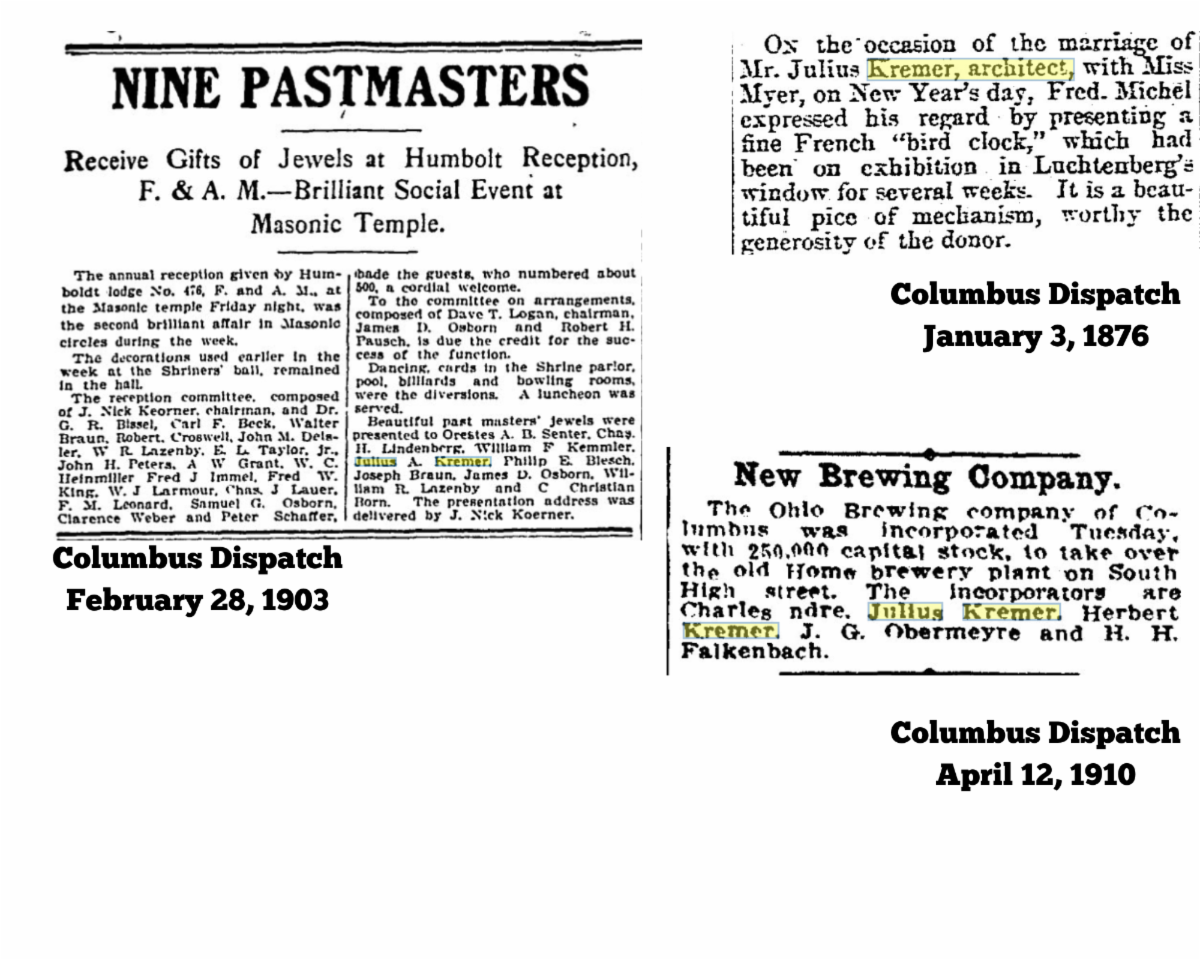
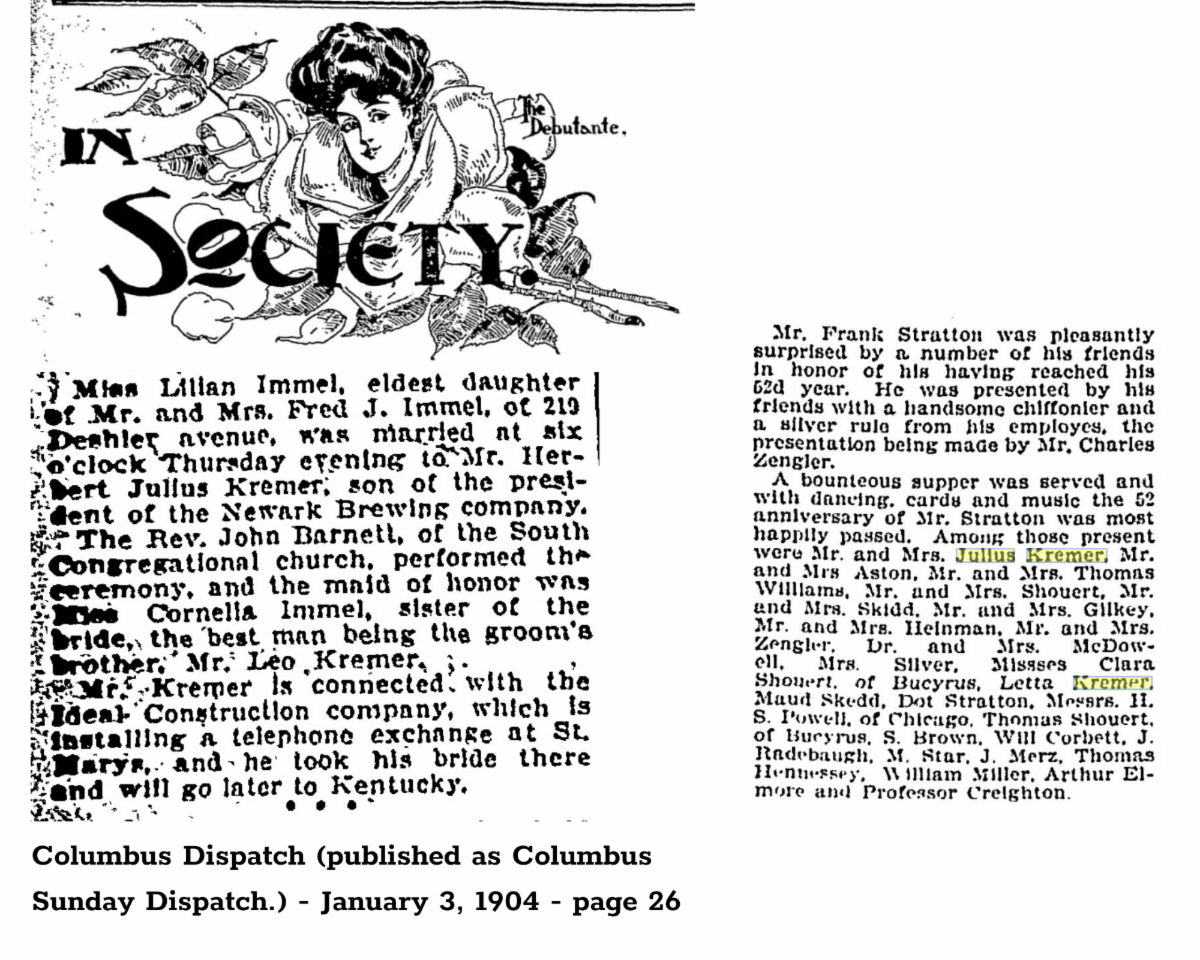
His Life and Legacy Kremer married Johanna Emma Margaret Meyer, raised a family, and maintained strong ties to his German heritage through organizations like the Germania Singing Society. At the same time, he moved into the city’s power circles, helping organize the Market Exchange National Bank and serving as its director until his death. His home at 948 Jaeger Street stands as a lasting monument to his ambition and vision. And with structures like the West Side Market House now fighting for survival, his story is also a call to value and protect the architectural legacy that helped shape Columbus’s identity.
|