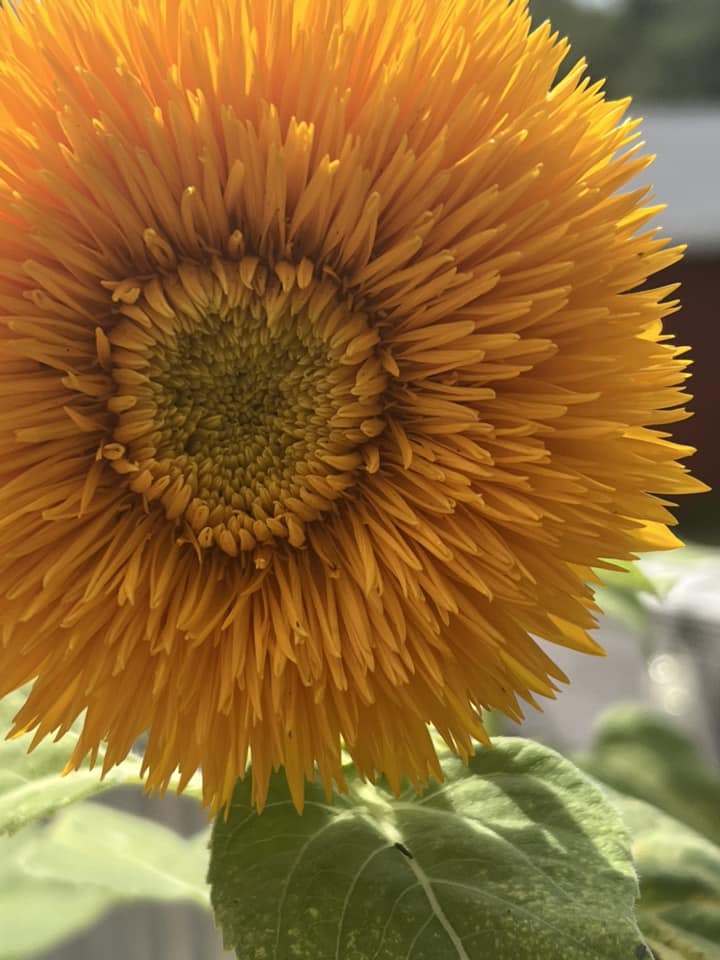
| The Magic of Sunflowers: More Than Just a Pretty Bloom Sunflowers are more than eye-catching flowers—they represent beauty, resilience, and a deep connection to the land. Their bright petals and tall stems transform fields into vibrant landscapes, drawing people in and creating a sense of joy and calm. One of their most fascinating traits is heliotropism. Young sunflowers follow the sun across the sky, symbolizing positivity, growth, and strength. This natural behavior is part of what makes them so inspiring. Sunflowers haven’t always looked the way they do today. Native varieties, first cultivated by Indigenous peoples of North America thousands of years ago, were smaller and more branched, producing multiple modest blooms rather than a single large flower. Their seeds were smaller but highly valuable, used for food, oil, dye, and medicine. Over time, selective breeding created the tall, single-stemmed sunflowers we recognize today. Beyond their beauty, sunflowers play an important role in agriculture and ecosystems. They attract pollinators like bees and butterflies and produce seeds and oil that are widely used. Their usefulness extends even further into science. After the Chernobyl disaster, sunflowers were planted in contaminated areas because of their ability to absorb radioactive elements from the soil—a process called phytoremediation. This made them a symbol of healing and environmental recovery. Sunflowers also hold historical meaning in the United States. Along the Underground Railroad, they are believed to have served as subtle symbols of hope and direction. Their sun-facing blooms pointed eastward, toward freedom, and in some stories, seeds were planted along routes as markers of safe passage. Today, sunflower fields remain places of connection and reflection. They invite visitors to slow down, enjoy nature, and experience simple happiness—whether walking through golden blooms or picking a bouquet. Even now, they continue to bring people together and brighten communities, offering a timeless reminder of nature’s beauty and resilience.
|