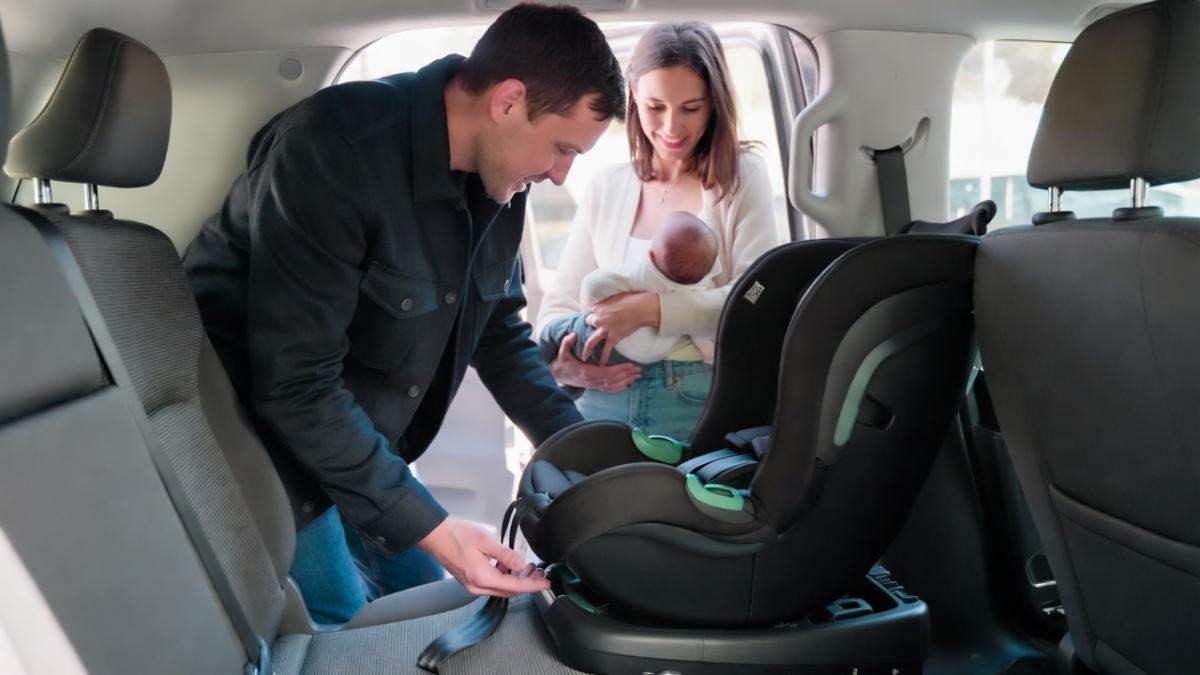
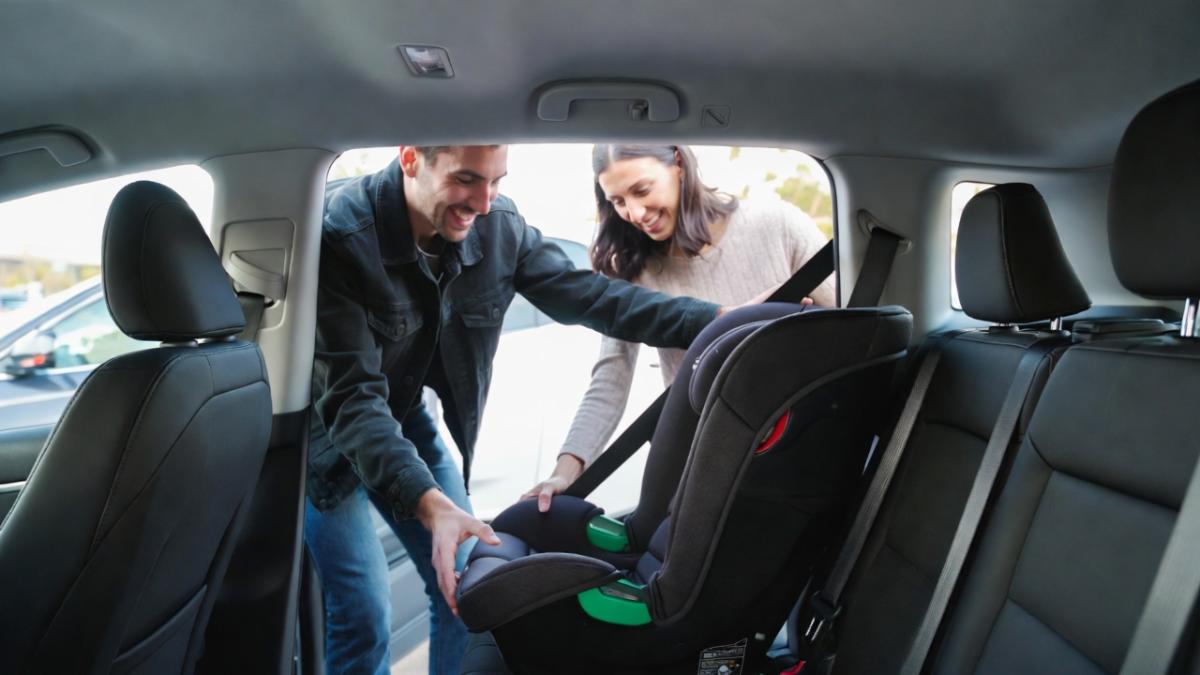
| How to Apply: A Step-by-Step Guide Alright, let's get into the practical stuff. Here's how to actually get a free car seat through a WIC-connected program. Step 1: Find Your Local WIC Office Every state has WIC offices. You can find yours by:
- Visiting the USDA's WIC website and using their state agency locator
- Calling 1-800-942-3678 (the national WIC helpline)
- Googling "WIC office near me" — simple but effective
Step 2: Check If You Qualify When you call or visit, ask specifically about car seat programs. Explain your situation. Tell them your household size and approximate income. They'll let you know pretty quickly whether you meet the guidelines. If you're already enrolled in WIC, skip this step — you're halfway there. Step 3: Schedule an Appointment Most programs require an in-person appointment with a certified Child Passenger Safety Technician. This is the person who will:
- Review your eligibility
- Help determine what type of seat your child needs
- Walk you through the education component
- Provide the seat (if supply is available)
Some areas also offer phone or video appointments for the initial intake, which is helpful for working parents. Step 4: Bring the Right Documents You'll typically need to bring:
- Proof of identity (your ID or driver's license)
- Proof of income (recent pay stubs, tax return, or proof of participation in SNAP, Medicaid, etc.)
- Proof of WIC enrollment (your WIC card or documentation)
- Your child's birth certificate or proof of age
- Proof of residency (a utility bill or lease works)
Call ahead and ask exactly what your specific program requires. It can vary by location. Step 5: Complete the Education Component Whether it's a video, a class, or a one-on-one session — complete it fully. You won't get the seat without it. And honestly, you'll be glad you did. Step 6: Pick Up Your Seat Once everything's done, you'll either pick up the seat at the appointment or be scheduled for a separate pickup. Some programs do curbside distribution, which is nice. If the program is out of stock, you may be placed on a waiting list. This is another reason why applying early — ideally before your baby arrives — is a really smart move. State-by-State Differences: A Few Examples Because these programs are run at the state and local level, things can look very different depending on where you live. Here's a quick look at how a few states handle it: Ohio — The Ohio Buckles Buckeyes program operates through county health departments. Families must meet WIC income guidelines (enrollment not required) and complete a safety class with a certified technician. Free seats are available in all Ohio counties. Vermont — The Child Passenger Safety Program distributes seats through WIC assistance stations and hospitals statewide. Even non-WIC recipients can qualify if they receive programs like Reach Up or foster care support. A technician determines eligibility on a case-by-case basis. California (Riverside County) — The Low-Cost Car Seat and Booster Seat Program requires income documentation and a virtual educational workshop in English or Spanish. After completing the workshop, families schedule a curbside pickup. Oklahoma — The state's Injury Prevention Service, in partnership with Safe Kids Oklahoma, provides free car seats through county health departments to families eligible for WIC, Medicaid, SNAP, or TANF. The pattern you'll notice: most programs require income verification, some form of education, and a technician assessment. Beyond that, the details vary a lot. Other Places to Get a Free Car Seat (Beyond WIC) What if you don't qualify for WIC or the program in your area is out of stock? Don't give up. There are other options.
- Safe Kids Worldwide — This nonprofit offers car seat events and assistance programs across the country. Visit safekids.org to find events near you.
- Local fire stations and police departments — Many have certified car seat technicians on staff and may have free or low-cost seats available.
- 211 — Just dial 2-1-1 from any phone. It's a national helpline that connects you to local social services, including car seat assistance.
- Hospitals — Some hospitals have programs for new parents, especially through their neonatal or labor and delivery departments.
- Local churches and community organizations — Family resource centers often help with everything from diapers to car seats. A quick Google search for "family resource center near me" can turn up surprising results.
- Medicaid programs — Some state Medicaid plans cover car seats or partner with programs that do. Ask your case worker.
The bottom line: if you need a car seat and can't afford one, keep asking around. The resources are out there. You just have to dig a little. Common Mistakes People Make When Applying Let me save you some frustration here. These are the mistakes I see (and hear about) most often: Waiting too long. Supplies are limited. If you're pregnant, start looking into this during your second trimester. Don't wait until the last minute. Assuming it's automatic. Just because you're enrolled in WIC doesn't mean you automatically get a free car seat. You have to specifically ask about it and go through the process. Not calling ahead. Every program is slightly different. Call your local WIC office or health department before you show up. Ask what documents you need, whether they have seats available, and how long the wait is. Skipping the education class. Some parents try to skip it or show up unprepared. Don't. It's required, and it's genuinely useful. Not knowing your child's current measurements. The technician will need to know your child's height and weight to match them with the right seat. Have that info ready. What Happens If You Move? Good question. Car seat programs are local, so if you move to a different county or state, your eligibility stays with you (as long as you still meet income guidelines), but you'd need to connect with the program in your new location. The seat itself is yours to keep. It doesn't have to be returned when you move. How Long Does the Seat Last? Car seats have expiration dates. This surprises a lot of people. The plastic and materials in a car seat degrade over time, and the safety standards can change too. Most car seats expire 6 to 10 years after the manufacture date. The expiration date is usually stamped on the bottom of the seat or listed in the manual. When you receive your WIC car seat, the technician will tell you when it expires and what to do with it once it does. Never use an expired car seat. And never use one that's been in a car accident, even if it looks fine. A Quick Note About Nutritional Risk You may have heard that WIC applicants need to demonstrate "nutritional risk" to qualify. This sounds more intimidating than it is. In practice, most pregnant women, breastfeeding mothers, infants, and young children automatically meet this standard. Being on a tight budget and not having consistent access to nutritious food often counts as nutritional risk. A WIC staff member will assess this during your intake appointment. Conclusion Look, parenting is hard enough without worrying about whether you can afford to keep your kid safe in the car. The WIC free car seat program exists specifically because the people who created it understood that. If you're already on WIC, please — ask about the car seat program at your next appointment. If you're not on WIC but your income is on the lower end, you might qualify anyway. It takes maybe a few phone calls and an afternoon to get this sorted out. The seats are free. They're safe. And the safety class that comes with them might actually save your child's life. That's not an exaggeration. It's just the truth. Start with a call to your local WIC office. Or dial 2-1-1. Or visit the USDA's WIC website. Wherever you start, just start. Don't be like my sister and almost miss it. Your kid is worth a phone call. Frequently Asked Questions (FAQs) Q: Is the WIC free car seat program available in all 50 states? A: WIC itself is available in all 50 states and U.S. territories, but the car seat program is not identical everywhere. Most states have some version of it, but the details — how seats are distributed, what documentation is needed, and whether vouchers or direct distribution are used — vary significantly. Your best bet is to contact your local WIC office directly and ask. Q: Do I have to already be enrolled in WIC to get a free car seat? A: Not always. In many states, you just need to meet WIC income guidelines — you don't have to be an active WIC participant. Some states also allow families enrolled in Medicaid, SNAP, or TANF to qualify. Check with your local program. Q: How much does the car seat cost if I qualify? A: If you qualify through the program, the seat is completely free. There's no co-pay, no deposit, nothing. It's yours. Q: Can I choose what kind of car seat I get? A: Not exactly. A certified Child Passenger Safety Technician will assess your child's age, weight, and height and determine what type of seat is most appropriate. The program may have limited supply of certain types of seats, so you may not have a lot of choice. But the seat you receive will meet all safety requirements for your child. Q: How long does the process take? A: If seats are in stock and all your documents are in order, you could have a seat within a week or two of your first call. If there's a waitlist, it could take longer. That's why starting early — especially during pregnancy — is so important. Q: What if my local WIC office is out of car seats? A: Ask to be put on a waitlist. Also ask your WIC caseworker about other local resources — partner organizations, fire station programs, or community events where car seats might be available. Q: Can I get more than one car seat if I have multiple kids? A: Most programs are designed for one seat per eligible child. If you have two young children who each need a seat, ask your local office — some programs will work with you, especially if both children meet eligibility requirements. Q: Are the seats used or refurbished? A: No. The car seats distributed through WIC-connected programs are brand new. They have not been in any prior accidents and come directly from manufacturers or distributors. They meet all current federal safety standards. Q: What happens to the seat if it expires or my child outgrows it? A: Once the seat is yours, you're responsible for it. When it expires or your child outgrows it, you should dispose of it properly (many recycling programs accept old car seats). Contact your local WIC office to see if there are any upgrade programs available for older children who've outgrown their current seat. Q: Can grandparents or caregivers apply on behalf of a child? A: In most cases, yes. WIC and its associated programs recognize that not all children live with their biological parents. Grandparents, foster parents, and legal guardians are generally eligible to apply on behalf of a child. Bring documentation that shows your relationship to the child. |