|
NATIONAL MINORITY QUALITY FORUM Early Detection
Frontiers |
|
|
Advancing Early Detection Science in Environmentally Compromised Communities |
|
|
Issue 1 • February 2026 • Inaugural Edition |
|
|
|
|
|
| 125M Americans near contamination sources |
+4%
Cancer risk per 10-percentile Superfund proximity increase |
|
+31%
Diabetes risk from PFAS exposure |
50+
Cancer types detectable from a single blood draw |
|
|
|
|
The Chronicle of an Emerging Healthcare Revolution |
|
This newsletter chronicles the emergence of a new healthcare ecosystem—one where early detection science capable of identifying disease years before symptoms appear is being deployed, for the first time, at the population level in the communities that need it most. Not just for cancer—but for Alzheimer's, diabetes, Parkinson's, cardiovascular disease, and chronic kidney disease. The evidence generated here will transform screening guidelines, reimbursement policies, and clinical protocols for every American. |
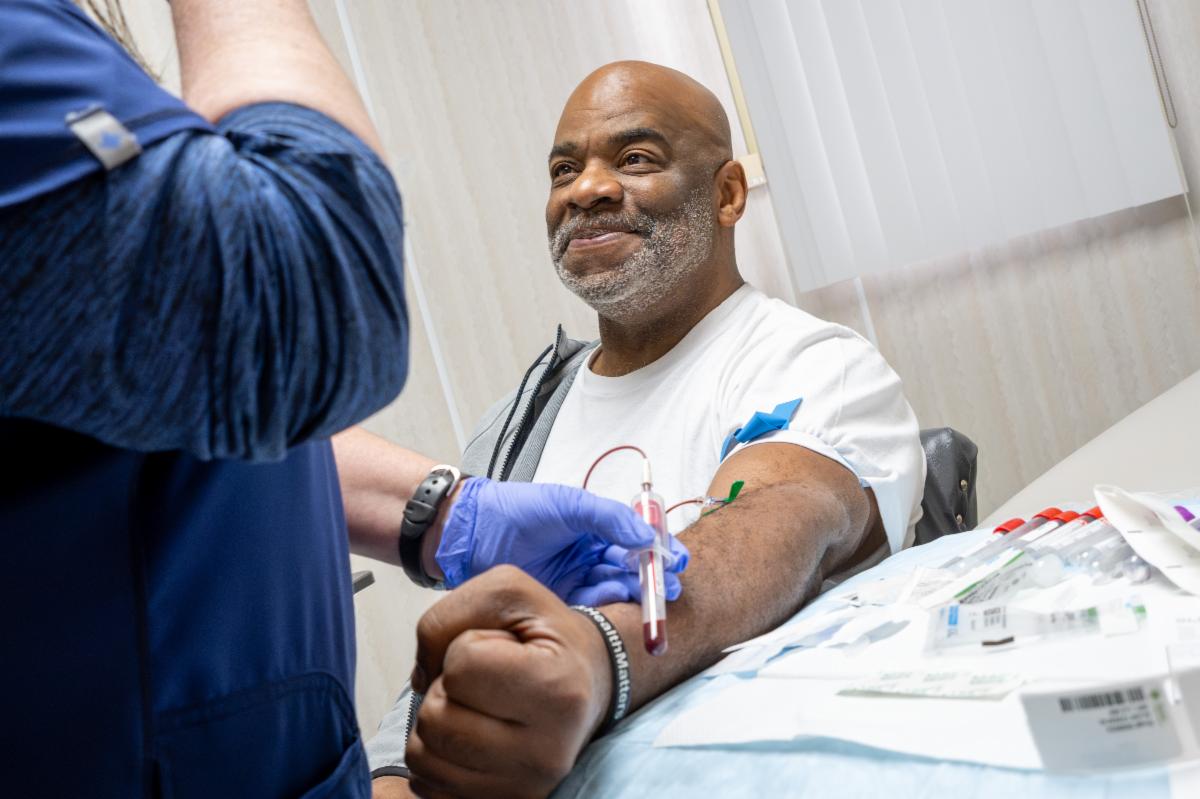
Community advocacy leader Arthur Woodson, participating in early detection screening in Flint, Michigan as part of CSSI's national cancer study. |
|
|
|
|
A Revolution as Profound as Germ Theory |
|
| In the mid-1800s, three scientists rebuilt the entire foundation of clinical medicine. Louis Pasteur, French chemist, proved that microorganisms—not bad air—cause disease. Robert Koch, German physician, linked specific bacteria to specific illnesses, establishing the causal framework that made infectious disease medicine possible. Joseph Lister, British surgeon, applied their findings at the bedside, cutting postoperative mortality by introducing antiseptic technique. From these three came handwashing, vaccination, antibiotics, and modern public health—an entire clinical infrastructure rebuilt around one insight: identify the invisible agent before it causes catastrophic illness.
We are at an equivalent inflection point today. Early Detection Frontiers chronicles the construction of that ecosystem. |
|
THE FOUNDATIONAL PREMISE OF CSSI "Just as germ theory allowed physicians to identify pathogens before they caused fulminant disease, early detection science allows us to identify presymptomatic disease states before they become catastrophic." |
|
|
|
|
|
|
Why This Newsletter Exists |
| Communities near EPA Superfund sites, cancer clusters, and documented contamination zones face elevated disease risk across multiple organ systems— yet clinical guidelines still base screening solely on age, family history, and behavioral factors, with no adjustment for environmental exposure. The absence of adapted screening protocols, treatment pathways, and reimbursement frameworks leaves these communities underserved despite documented need— not for lack of evidence, but for lack of the clinical and policy infrastructure to act on it.
NMQF's Cancer Stage Shifting Initiative (CSSI) is the largest population-level effort to characterize presymptomatic disease prevalence across the full pathophysiological spectrum in environmentally compromised communities—building the evidentiary foundation to close that gap. |
|
CSSI'S APPROACH Environmental contamination creates multi-system disease burden through DNA damage, immune disruption, mitochondrial dysfunction, and chronic inflammation. CSSI deploys the full range of early detection modalities in the communities bearing that burden—generating the population-level evidence to transform clinical protocols, reimbursement frameworks, and screening guidelines nationwide. |
|
|
|
|
|
|
The Modality Landscape: A New Diagnostic Arsenal |
A rapidly expanding arsenal of modalities—across blood, imaging, sensors, and AI—now makes it possible to monitor the body's chemistry across multiple organ systems simultaneously, detecting disease years before symptoms emerge. |
|
|
|
| COMMERCIALLY AVAILABLE Blood-Based Liquid Biopsy & Multi-Cancer Early Detection
Multi-cancer early detection platforms—including Galleri (GRAIL) and CancerGuard (Exact Sciences)—detect signals across 50+ cancer types from a single blood draw using DNA methylation sequencing and machine-learning classifiers. Minimal residual disease assays catch post-treatment recurrence before it becomes clinically detectable. |
|
|
|
|
|
| IN CLINICAL USE Blood-Based Biomarkers for Neurodegeneration
Plasma assays measuring amyloid-beta, tau, and alpha-synuclein can identify Alzheimer's and Parkinson's disease changes decades before cognitive symptoms emerge—exactly the window when intervention is most powerful. |
|
|
|
|
|
| EMERGING Multi-Analyte AI Risk Scores
Combining conventional labs with proteomics, metabolomics, genomics, and AI, these systems generate integrated risk scores across cancer, cardiovascular disease, and neurodegeneration simultaneously—from a single blood draw. |
|
|
|
|
|
| EMERGING Biofluid-Based Tests: Urine, Saliva, Stool & Breath
Urine microRNA assays, breath-based biosensors analyzing volatile organic compounds, and stool-based DNA tests are expanding early detection beyond clinical settings—with synthetic sensor platforms in development that will enable home-based cancer detection requiring no clinical visit at all. |
|
|
|
|
|
| IN CLINICAL USE Advanced Imaging with AI Enhancement
AI-augmented chest CT and whole-body MRI surface malignant lesions invisible to conventional interpretation. Retinal imaging via optical coherence tomography detects Alzheimer's and Parkinson's changes through nerve fiber layer and microvascular patterns decades before cognitive symptoms appear. |
|
|
|
|
|
| COMMERCIALLY AVAILABLE Sensor-Based Continuous Monitoring
Continuous glucose monitors reveal metabolic dysfunction years before diabetes diagnosis. Multisensor wearables detect early atrial fibrillation and heart failure. Accelerometry-based AI flags prodromal Parkinson's through gait changes. For 125 million Americans near contamination sources, continuous monitoring provides the sustained surveillance that clinic visits cannot. |
|
|
|
|
|
| AT THE FRONTIER Nanotechnology & Biosensor Platforms
Nanosensors targeting amyloid-beta, tau, and alpha-synuclein detect Alzheimer's and Parkinson's markers at concentrations below conventional assay thresholds—extending the presymptomatic detection window further than any technology available today. |
|
|
|
|
|
|
Each issue focuses on a single topic within the emerging ecosystem: |
|
| 🏠 Community Surveillance Progress from Houston's Fifth Ward, Flint, and expanding CSSI sites—enrollment milestones, community engagement strategies, and lessons learned. |
|
 |
| 🔬 Science & Technology Advances across the full modality landscape—liquid biopsy, wearable sensors, nanotechnology, and AI-integrated systems translated into actionable insights. |
|
|
| 🩺 Clinical Guidelines Progress toward updating guidelines to incorporate environmental risk factors and establish presymptomatic disease as a distinct stage requiring specialized protocols. |
|
|
| 📋 Policy & Infrastructure Development of reimbursement frameworks and proposals for special healthcare designation for populations bearing elevated environmental health burdens. |
|
|
| 👥 Working Group Updates from NMQF's Cancer Early Detection Working Group, where diagnostic companies, researchers, payers, and policymakers build shared infrastructure. |
|
|
| ⚖️ Environmental Justice How environmental exposures create multi-system disease burden—and how population-level surveillance generates the evidence to drive systematic policy response. |
|
|
|
|
|
Who This Newsletter Serves |
We write for the emerging healthcare ecosystem working to transform early detection and care in compromised communities: |
|
|
|
|
Environmental Justice Advocates |
|
|
Participating Communities |
|
|
|
|
|
Join the Cancer Early Detection Working Group |
|
|
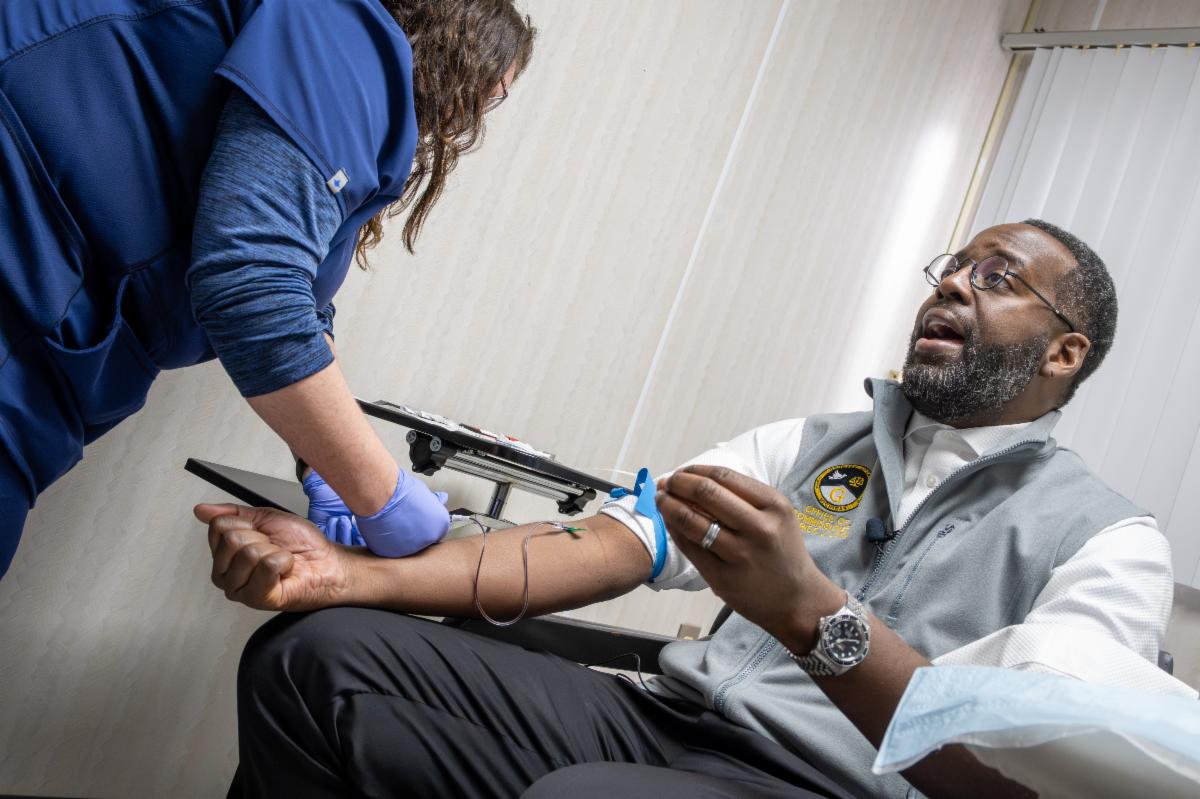
Genesee County Commissioner Delrico J. Loyd participating in early detection screening in Flint, Michigan as part of CSSI's national cancer study. |
|
| Founding Sponsors of the Cancer Early Detection Working Group (CEDG) are joining at the moment this field is being defined—helping shape the clinical protocols, screening guidelines, and reimbursement frameworks that will govern adoption of presymptomatic cancer detection.
Learn more about CEDG and submit your interest today!
|
|
|
|
|
|
|
|
Houston's Fifth Ward:
Where America's Next Standard of Care Was Built |
|
The first environmentally compromised community in America to deploy comprehensive early detection technologies for population-based cancer surveillance. In 72 days: 168 participants enrolled. 95% appointment attendance rate. If it works there, it works everywhere. |
|
Subscribe to Early Detection Frontiers |
Receive bimonthly updates on early detection science, community surveillance progress, and the development of clinical and policy infrastructure for presymptomatic disease detection. |
|
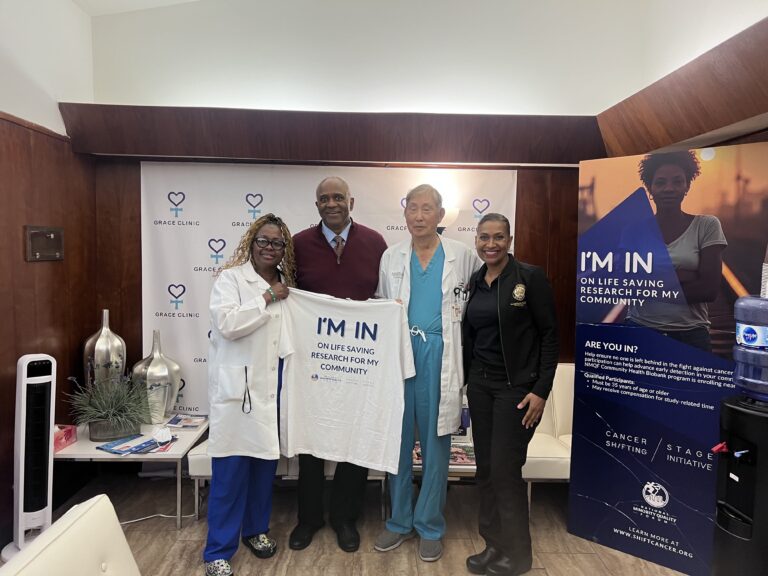
Houston's Grace Clinic partners with CSSI as first site to enroll community members in nationwide longitudinal cancer study. |
|
|
You are receiving this email because you are subscribed to updates from National Minority Quality Forum.
By clicking the link above, you confirm that you would like to receive future Early Detection Frontiers newsletters. You can unsubscribe at any time. |
|
|
|
|
|
|
|
| About NMQF The National Minority Quality Forum works to eliminate healthcare disparities through evidence-based advocacy and innovative programs that deliver health equity in practice, not just policy. Through the Cancer Stage Shifting Initiative, NMQF is building demonstrations of an emerging healthcare ecosystem deploying multi-system early detection technologies in compromised communities across America. |
| Contact For questions about CSSI, Working Group membership, or partnership opportunities, contact info@nmqf.org |
|
|
|
|