|
FALL 2024
Dear Colleagues,
I am pleased to share news about the exciting scholarly developments happening at the Elisabeth Haub School of Law at Pace University. We have welcomed three new faculty members, who bring their expertise in immigration law, criminal law, and law & economics to our campus. Our recent and forthcoming faculty scholarship addresses some of the most urgent legal and social issues facing the world today, from abortion and menopause to climate change and genocide. The faculty in our #1 ranked environmental program continue to help shape global policy through their advocacy, scholarship, and leadership.
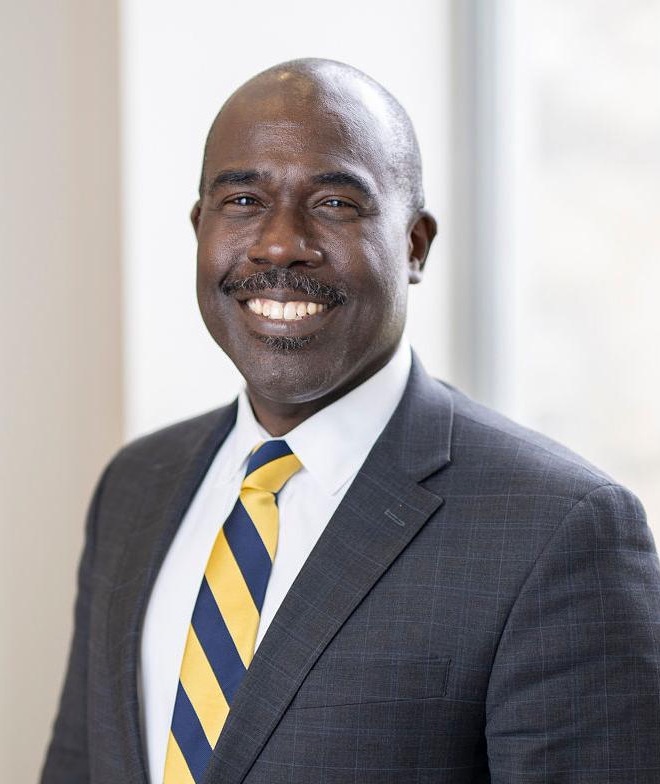
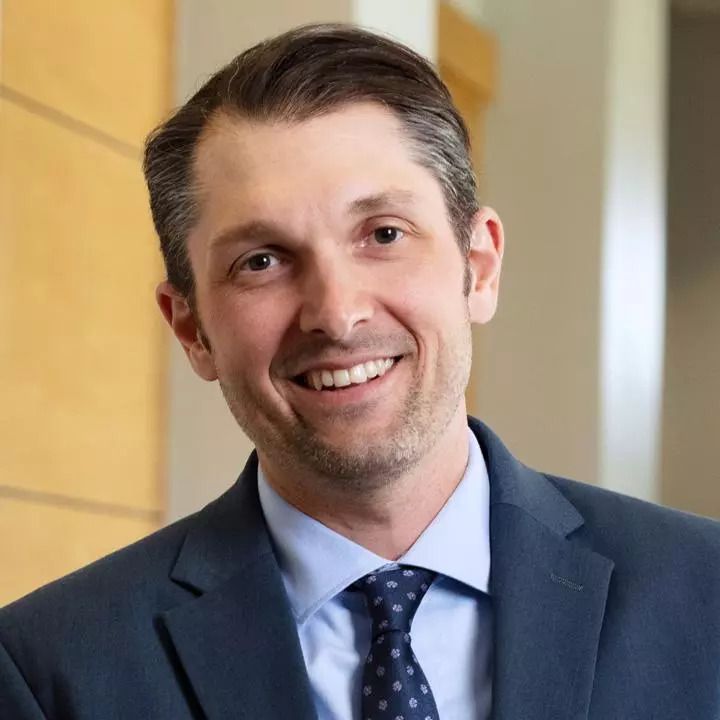
Horace E. Anderson Jr. Dean and Professor of Law Elisabeth Haub School of Law at Pace University |
|
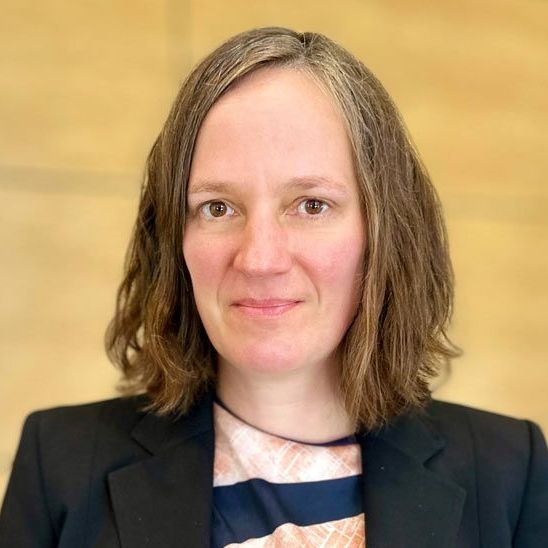
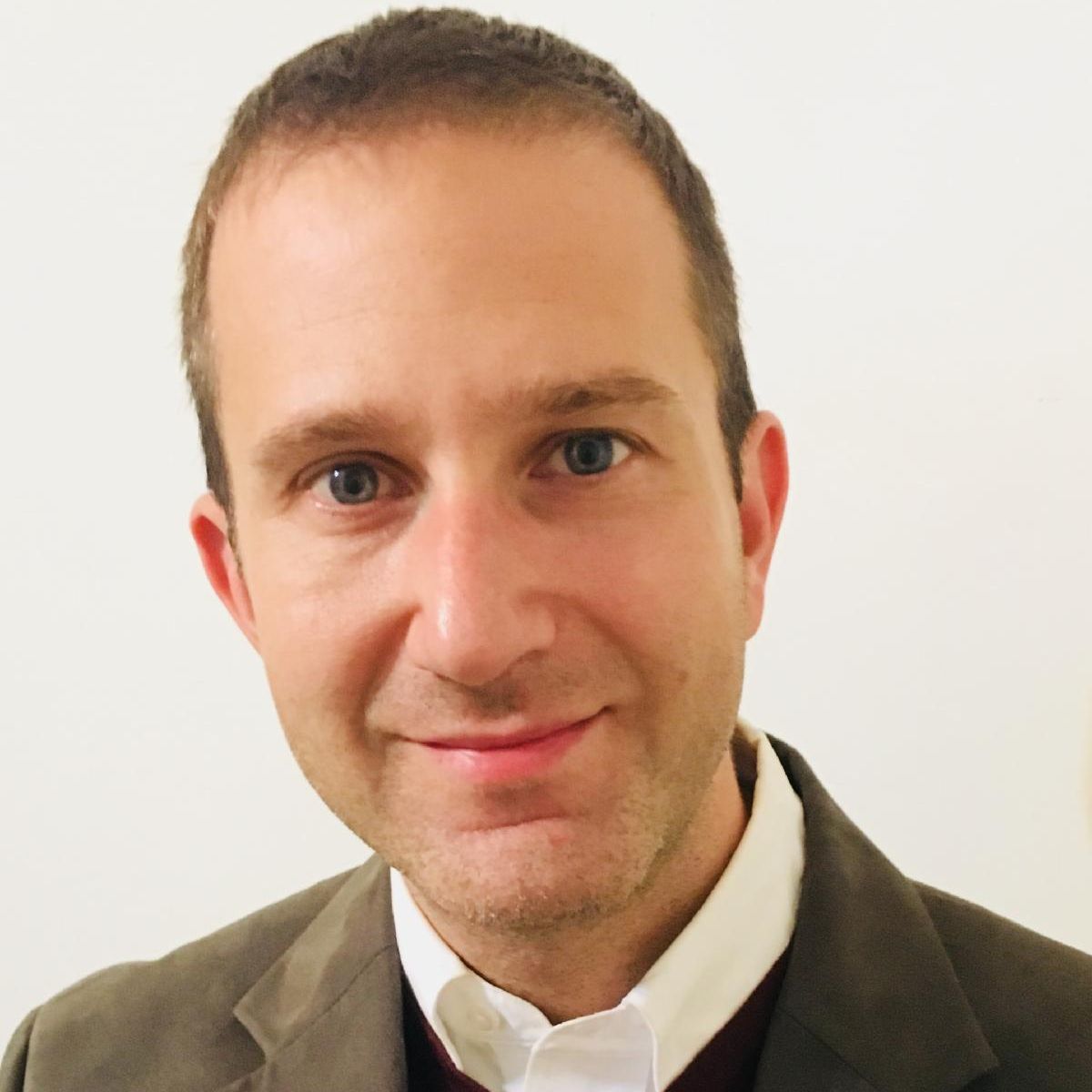
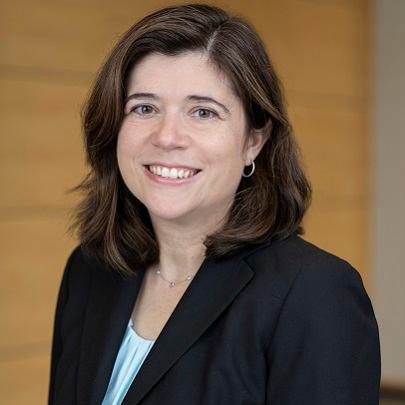
| Amelia Wilson Assistant Professor of Law; Director of the Immigration Justice Clinic
Professor Amelia Wilson joins Haub Law as Assistant Professor of Law and Director of the Immigration Justice Clinic (“IJC”). Previously, Professor Wilson was an Assistant Clinical Professor in the Immigrants’ Rights/International Human Rights Clinic at Seton Hall School of Law. Prior to that, Professor Wilson served for four years as Supervising Attorney, Research Scholar and Lecturer-in-Law at Columbia Law School where she co-taught the Immigrants’ Rights Clinic. |
|
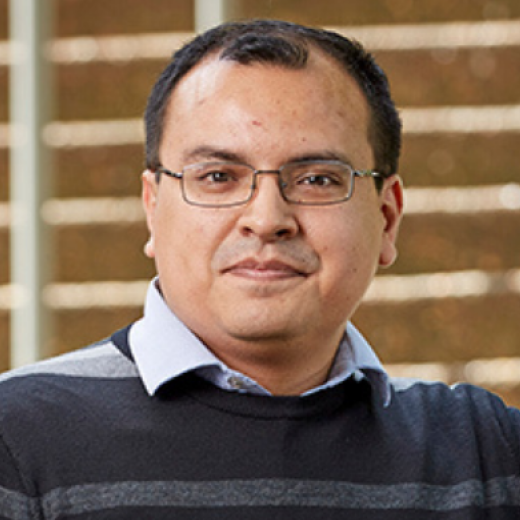
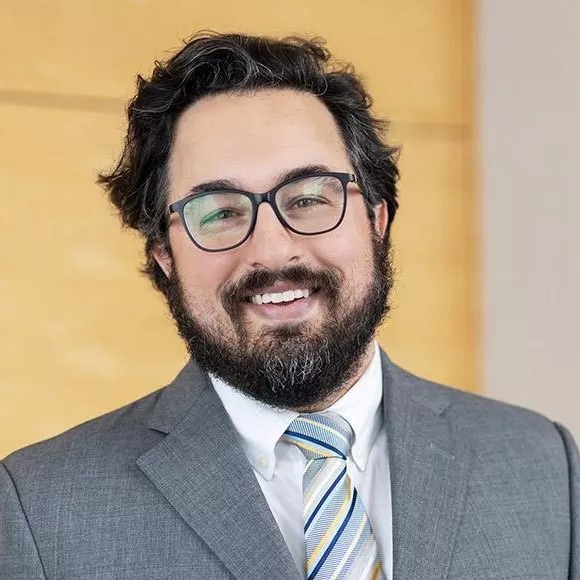
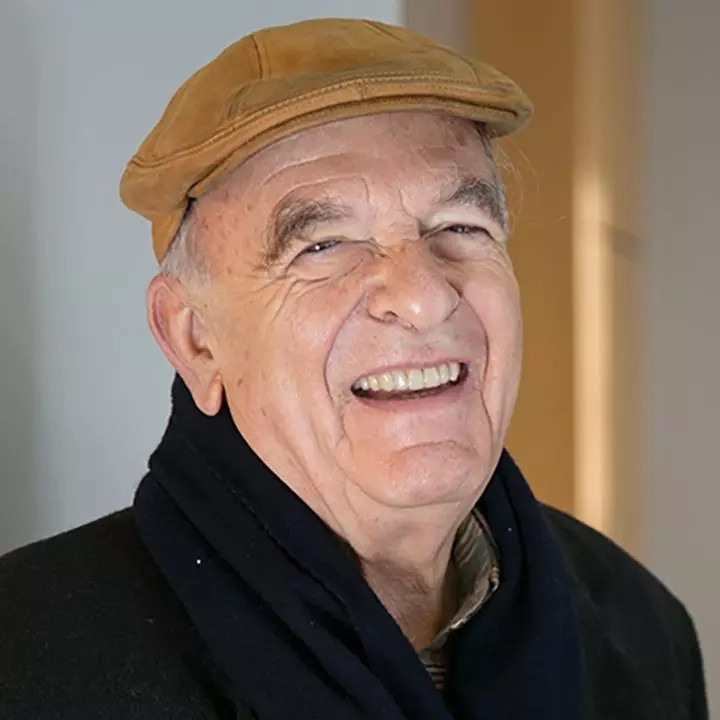
| Fernando Mendoza Lopez Visiting Assistant Professor of Law
Professor Mendoza Lopez joins Haub Law after having received his JD/PhD from Vanderbilt Law School, where he focused on Law & Economics. He previously served as Director of Economic Studies in the Mexican federal government where he oversaw procurement strategies for a range of public goods and services. His research interests include the intersection of public policy and government contracting, with a focus on investigating how procurement processes can be leveraged to achieve broader societal objectives. |
|
|
SELECT RECENT AND FORTHCOMING FACULTY PUBLICATIONS |
|
|
|
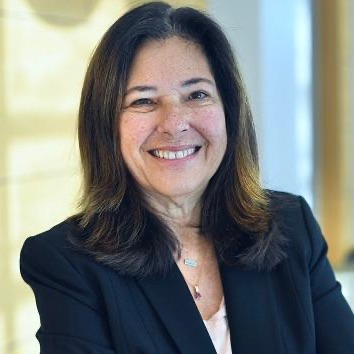
| Bridget J. Crawford
Risks, Benefits, and Opportunities Associated with Electronic Formalities in the Law of Wills: Developments and Implications, 70 McGill L.J. (forthcoming 2025) (co-author with Margaret Hall, Rosie Harding, Kelly Purser & Tina Cockburn)
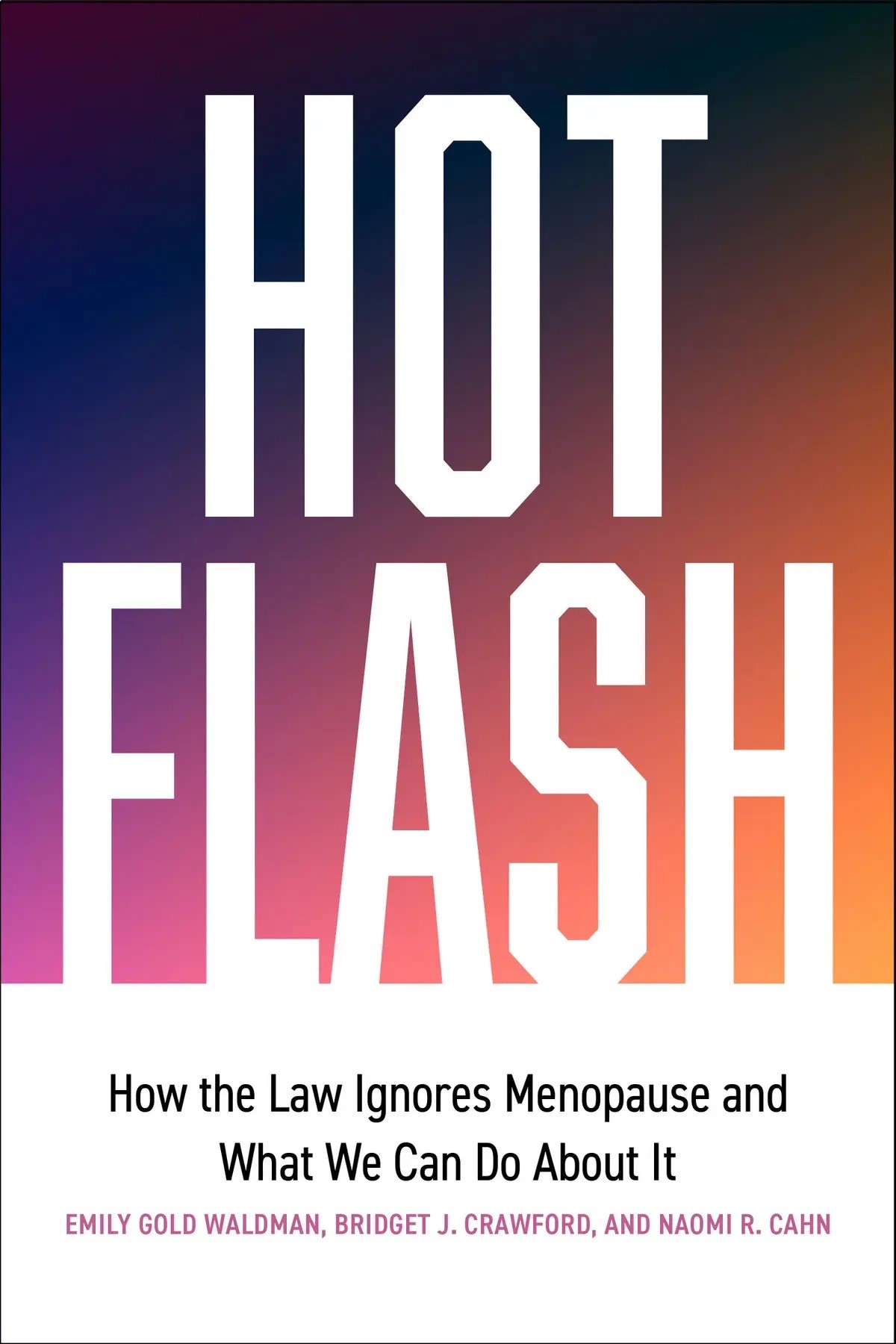
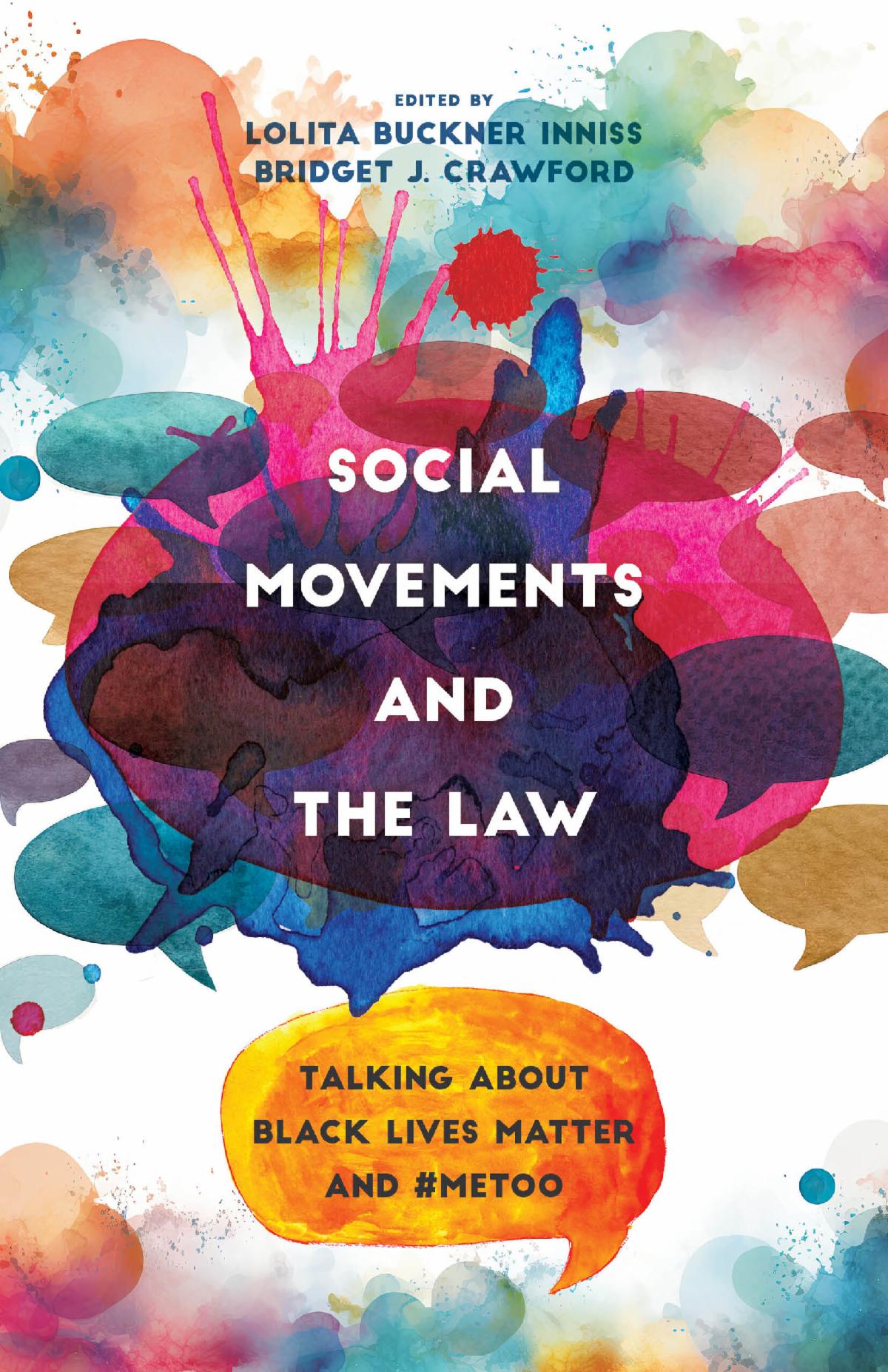
Hot Flash: How The Law Ignores Menopause and What We Can Do About It, (2024) (co-author with Emily Gold Waldman & Naomi R. Cahn) Social Movements and The Law: Talking About Black Lives Matter and #MeToo, (2024) (co-author with Lolita Buckner Inniss et al.) Taxing Sugar Babies, 109 Minn. L. Rev. __ (forthcoming 2024) Unintended Consequences of Fetal Personhood Statutes: Lessons from Tax, 25 Geo. J. Gender & L. 1159 (2024)
On the Human Right to Healthy Menstruation, 25 Geo. J. Gender & L. 1191 (2024) Period Rhetoric and Partisan Politics, 57 Fam. L.Q. 265 (2024) (co-author with Emily Gold Waldman)
Step-Up in Basis: Policy Perspectives on a Longstanding Tax Loophole, 7.2 Bus. & Fin. L. Rev. 54 (2024) (co-author with Crystal Lichtenberger, Kaitlin Maguire & Gigi McQuillan) |
|
|
|
| Paul Rink
Conceptualizing U.S. Climate Rights Strategic Litigation, __ Harv. Env’t L. Rev. __ (forthcoming 2025) |
|
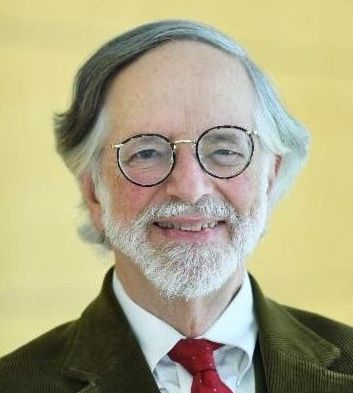
| Nicholas A. Robinson
New York’s Constitutional Guarantee of Environmental Rights, __ N.Y.U. J. Legis. & Pub. Pol’y __ (forthcoming 2024) (coauthor with Scott Fein & Katrina Fischer Kuh) |
|
|
|
In their newly published book, Haub Law Professors Waldman and Crawford (with Naomi R. Cahn), explore cultural, legal, and medical attitudes toward menopause and highlight how societal taboos around reproductive health contribute to ongoing inequities. The authors suggest concrete changes to existing legislation and workplace policies to better support those going through menopause and advocate for an intersectional, equity-focused approach. |
|
|
How have the Black Lives Matter and #MeToo movements shaped law and culture? "Social Movements and the Law," a new book co-edited by Professor Bridget J. Crawford (with Lolita Buckner Inniss), uses dialogues with 12 leading scholars to examine how these 21st-century social movements continue to intersect with and influence legal discourse. The book’s intersectional analysis places both movements in historical and social context and offers insights into their potential futures. |
|
|
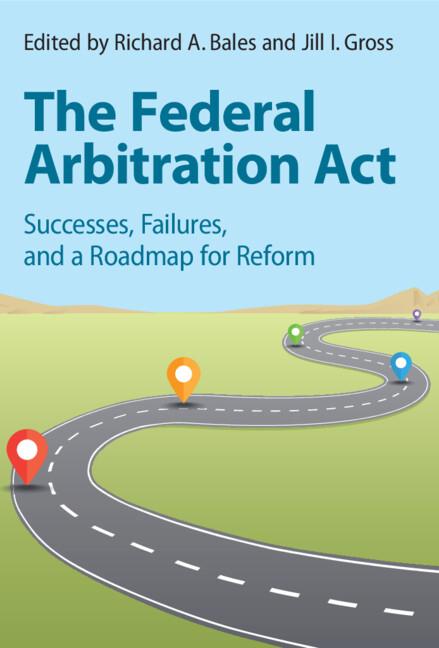
Co-edited by Professor and Vice Dean Jill I. Gross, this timely volume marks the 100th anniversary of the Federal Arbitration Act. Over 30 leading scholars and practitioners analyze the Act's successes and shortcomings and highlight the flaws in current interpretations. With concrete proposals for reform to ensure fairness and equity, the book provides a roadmap for the future of arbitration in the United States. |
|
|
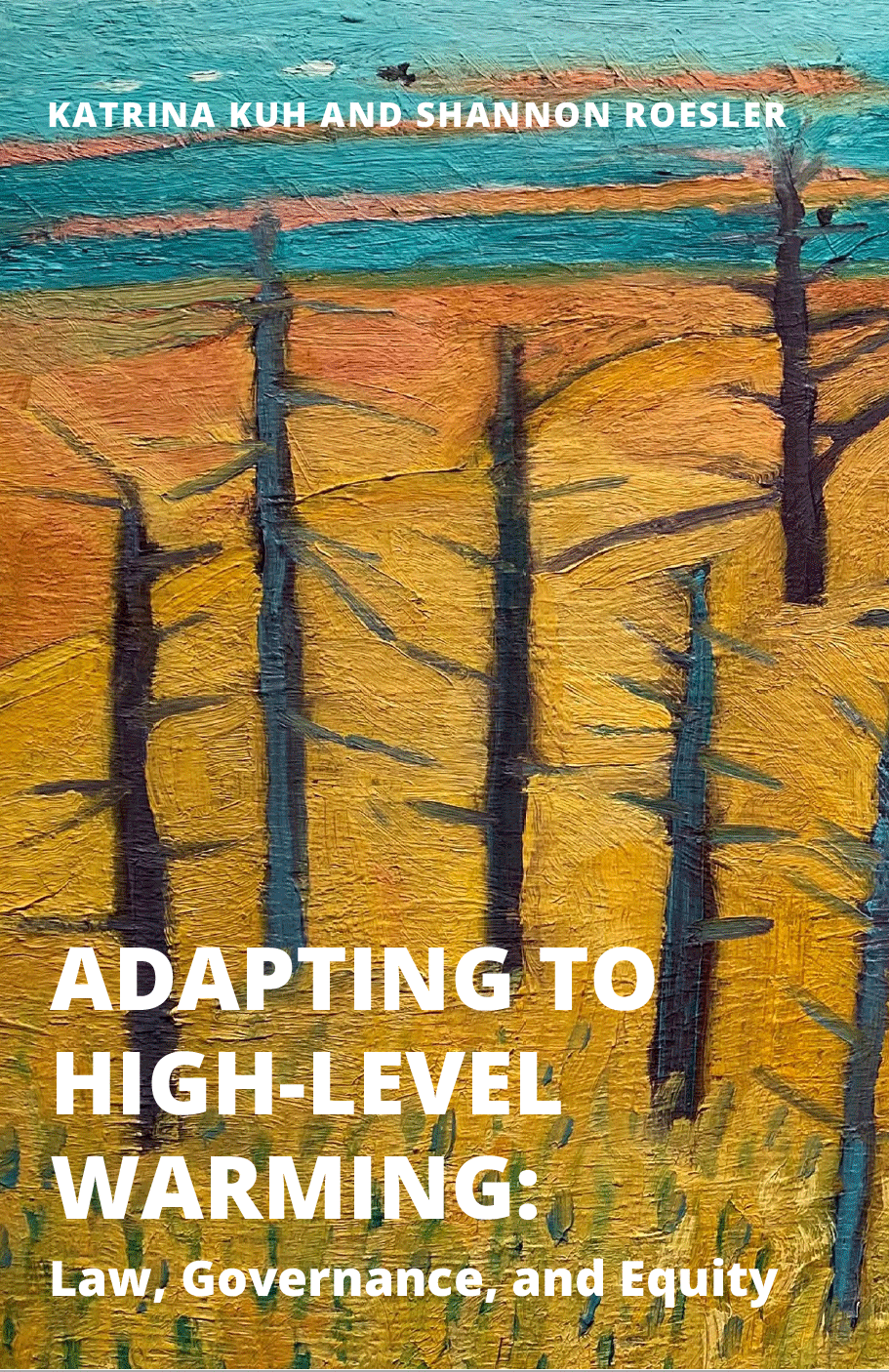
Most legal scholarship related to climate change assumes only modest planetary warming — but scientists warn that more accelerated temperature increases are likely. A new book edited by Professor Katrina Fischer Kuh takes on the legal and ethical challenges this possible future presents, exploring how governance systems must adapt to protect vulnerable populations and ensure a just transition in a world facing severe environmental shifts. |
|
ACHIEVEMENTS AND ACCOLADES |
|
The third annual Access to Justice Workshop was held; this year's theme was: The Future of Criminal Justice: Bridging Gaps in Re-Entry and Related Legal Services for Community Members Impacted by the Criminal Justice System. |
|
The 2024 Dyson Distinguished Lecture, entitled The Alabama Embryo Decision in Ethics, Law and Politics, was delivered by Professor I. Glenn Cohen, the James A. Atwood & Leslie Williams Professor of Law and Deputy Dean of Harvard Law School. |
|
| ABOUT THE ELISABETH HAUB SCHOOL OF LAW AT PACE UNIVERSITY Pace University’s Elisabeth Haub School of Law offers both JD and Masters of Law degrees in Environmental Law and Comparative Legal Studies, as well as a Doctor of Juridical Science (SJD) in Environmental Law. Its Environmental Law Program was established in 1978 and has long been ranked among the world’s leading university programs, with a current #1 ranking by U.S. News & World Report. The school, housed on the University’s campus in White Plains, NY, opened its doors in 1976 and has over 10,000 alumni around the world. The school maintains a unique philosophy and approach to legal education that strikes an important balance between practice and theory. We continue to build on our historic strength of training practice-ready lawyers through our field placement programs and nationally recognized clinics which provide pro bono legal services and education to the community, including our Energy and Climate Center, Land Use Law Center, Women’s Justice Center, Environmental Litigation Clinic, Investor Rights Clinic, Food and Farm Business Law Clinic, Disabilities Rights Clinic, and Criminal Justice Institute. |
|
For a complete list of all publications for each professor, please click on the professor's name to be redirected to their profile.
|
|
|
|
|