[[trackingImage]]

Meet Raymil Norton, ODDC Community Ambassador


The Ohio Developmental Disabilities Council (ODDC) Ambassador Program is a storytelling initiative that centers on the voices of people with developmental disabilities (DD). Known as Community Ambassadors, self-advocates lead conversations and raise awareness around barriers and successes within their local communities.


Meet Raymil Norton who lives in Ashtabula, Ohio. Ray, who completed his work in June 2025, shared information about his community and his experiences with transportation and inclusive outreach. His advocacy work was also recognized in his local Ashtabula newspaper!

Public Transportation Issues in Ashtabula

Hello! My name is Raymil Norton and I am a 32-year-old male with cerebral palsy. I am going to discuss resources and organizations, as well as my advocacy efforts, pertaining to improving public transportation. 


Public transportation in my city Ashtabula, located in northeast Ohio, has been an issue for many, many years and has had very little improvement. Prices for fares have increased and limitations to public transportation have not been addressed. 


We have several agencies in my county that provide transportation, but many of them are very expensive, and that is not ideal when you’re on a fixed income. If they aren’t expensive, they are very limited. For example, they don’t run after 5:00 p.m., they don’t go out of the county, they don’t go to other cities within the county at certain times of day, and they do not operate on holidays.


I have used my voice to advocate by going to public meetings, board meetings, and legislative meetings to talk about this topic. I have met with county commissioners, county trustees, county treasurers, and more, in hopes that someone will hear my pleas to make this issue more relevant so changes can be made. But there has been little to no change. It always comes back to funding and the lack of it. 

Video of Ray Norton

Click on the video above to listen to Raymil talk about his experiences with public transportation in Ashtabula. You can also watch it on YouTube at https://youtube.com/shorts/Vym9PawBn6I.

It is incredibly disheartening to not be able to attend certain events that take place in the evening or to be able to go see family on holidays. It is challenging to live in a city with little resources for people who need public transportation. 


I am grateful to have any form of public transportation, but it can be improved greatly. I believe advocating and using your voice is the best way to get on top of things and see changes be made. I am hoping one day we will see a world where everyone can get anywhere whenever they need to.

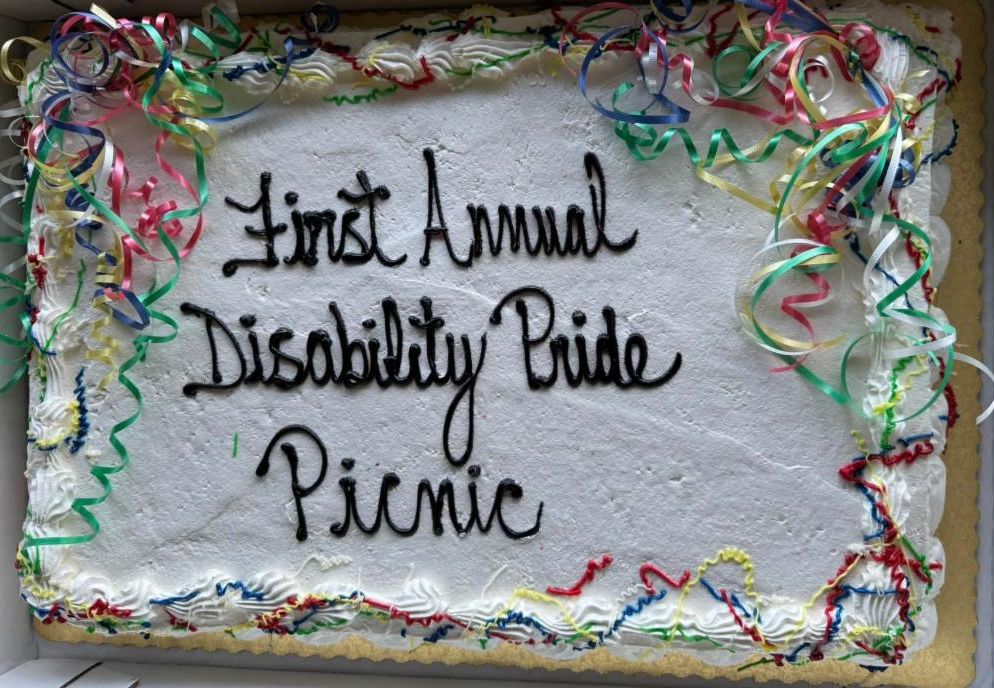
Raymil's First Annual Disability Pride Month Picnic

July is Disability Pride Month which is important to me because I don't feel like the disability community gets enough recognition, let alone having a celebratory event surrounding them. I want to let people who are not involved with the disability community know that just because they may hear negative stigmas about the disability community, it doesn't mean it's true. We deserve to be celebrated just like everyone else. So my friend Khaila Miller and I decided to do something to raise awareness and celebrate! 


We hosted our first annual Disability Pride Month picnic on July 12, 2025 at Lake Store Park! We had lots of food, drinks, music, water balloons, an accessible playground, beach access, ball games, and more! 

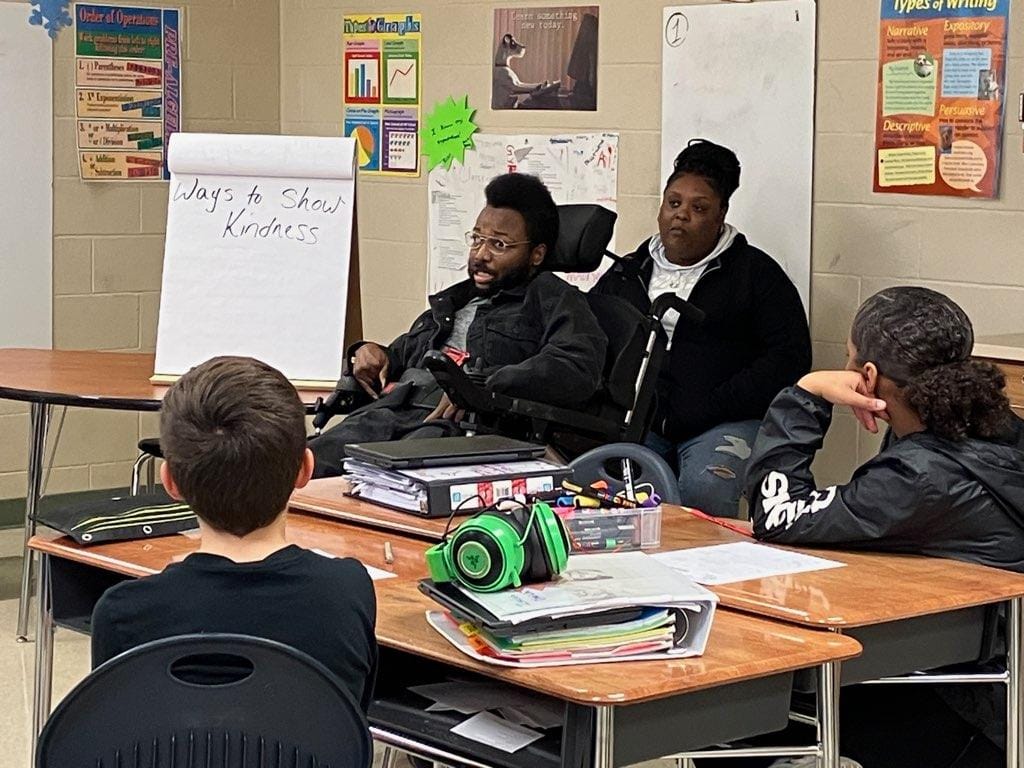
Helping Students See Beyond the Wheelchair

I have cerebral palsy. There are different forms of cerebral palsy. I have quadriplegic cerebral palsy which affects all extremities. Here is a glimpse into how cerebral palsy affects me and what I've done to educate people about it within my community.


Sometimes my muscles get really tight and it gets hard for me to move around. I use an electric wheelchair to get around. When people see me sitting and riding the electrical wheelchair around, they might assume that my life is easy because I'm sitting. That's the farthest thing from the truth. I'm not saying I want a pity party, but my life is not easy being in a wheelchair.

Sometimes going out in public I get questions like, "why are you in a wheelchair?" People have came up to me and said God's going to save you, which makes me automatically think: would you have said that if I wasn't in a wheelchair? I also receive 24-hour in-home care from an agency that helps me with my day-to-day activities, such as grocery shopping, bathing, changing clothes, cooking, cleaning and whatever else is needed. You might think that it's nice having someone do all those things for you, but for me personally it's not necessarily the case. I do receive alone time which gives me the capabilities to be alone in my home, which is nice. And other times I just wish that I could not have staff at all. But with me having cerebral palsy and how it affects me it's really not possible.


What I've been doing now is turning that from a negative into a positive. I've been speaking at different schools sharing my story about growing up with a disability, and some of the struggles that I've been dealing with, and how I overcame them. Something that I always tell the kids at the end of my talk is, "I'm done speaking and everyone heard the story. Take time to learn more."


I try not to let my disability define me as a person. I have a disability that does not have me. Yes, we all have bad days, but as long as I'm smiling at the end of it it's a good day for me!

About the Community Ambassador Project: The Community Ambassador Project is a storytelling initiative of the Ohio Developmental Disabilities Council. The project features individuals from across Ohio who lead their own stories on what's happening in their town within their DD community, along with issues faced and positive change happening to improve community inclusion. Community Ambassadors choose one or two topics to focus on and provide an outline of how they will approach the topics. Then, the ambassador works on building stories around those topics to share with their entire community and beyond. Storytelling includes interviews, research, photos, videos, and more. The goal is to have people with DD in front of their communities and telling their stories in an authentic and positive way while raising awareness about issues and successes. For more information, visit the Ohio DD Council's website.


This project is supported, in part by the Ohio Developmental Disabilities Council, under a grant from the U.S. Administration for Community Living, Department of Health and Human Services, Washington, D.C. 20201. Grantees undertaking projects with government sponsorship are encouraged to express freely their findings and conclusions. Points of view or opinions do not, therefore, necessarily represent official ACL policy.