Harm Reduction in Housing Programs |
|
A Guide for ICMS Case Managers |
| Welcome to the Harm Reduction Resource Hub, designed specifically for case managers working in Los Angeles County's homelessness and housing programs. This landing page provides comprehensive information on harm reduction principles, practical implementation, overdose prevention, naloxone access, and integrated philosophies like trauma-informed care and racial equity. Our goal is to empower you with the knowledge and tools to support participants effectively, reducing risks while promoting housing stability and dignity. Harm reduction is an evidence-based approach that focuses on minimizing the negative consequences of substance use and other behaviors without requiring abstinence. In LA County's housing programs, it's a core component of low-barrier design, ensuring programs do not mandate treatment or sobriety for participation. |
|
|
| Harm reduction is a public health strategy that meets people "where they're at," offering practical ways to reduce risks associated with substance use, such as overdose, infection, or housing instability. It extends beyond drugs to areas like budgeting, case management engagement, and job searches, as outlined in LA County's Intensive Case Management Services (ICMS) Program Guide. Key benefits include:
- Reducing Overdose Deaths: By distributing naloxone and educating on safer use.
- Promoting Housing Stability: Programs using harm reduction do not terminate assistance solely for substance use or non-compliance, focusing instead on safety and support.
- Empowering Participants: Builds trust and encourages engagement in services.
In LA County, harm reduction is integrated into street outreach, supportive housing, and crisis response teams, with specialized Harm Reduction Teams providing on-the-ground support to people with substance use disorders. |
|
Integrated Philosophies in LA County Homelessness Work |
|
Harm reduction aligns with several core values from the ICMS Program Guide. Here's how they interconnect: |
|
| ➊ Crisis Response Homelessness is a crisis that demands quick resolution while recognizing the impacts of stress on participants' planning, behavior, and emotional control. Harm reduction supports this by offering flexible, non-punitive approaches to minimize risks during transitions to permanent housing. |
|
 |
| ➋ Trauma-Informed Care All programs must incorporate trauma-informed policies, emphasizing safety, choice, and empowerment. In harm reduction, this means avoiding retraumatization—e.g., using motivational interviewing to discuss substance use without judgment. Key elements include staff education, supervision, and self-care policies to support both participants and providers. |
|
|
| ➊ Racial Equity Structural racism contributes to overrepresentation of Black, Indigenous, Latino/a/e, Asian, Pacific Islander, immigrant, and refugee communities in homelessness. LA County addresses this through targeted resources, equitable service delivery, and initiatives like the Ad Hoc Committee on Black People Experiencing Homelessness (BPEH), which recommends dismantling barriers in housing access. Harm reduction must be equity-focused, ensuring culturally appropriate interventions to reduce disparities. |
|
|
| ➋ Culturally Specific and Responsive Services Services should respect beliefs, practices, culture, and linguistic needs. Culturally specific programs create environments of belonging using familiar language and structures. In housing, this involves community engagement, trauma-informed design, and tailored supports to meet diverse needs. |
|
|
| ➊ Person-Centered Customer Service Adopt a "whatever it takes" approach, tailoring services to individual needs without a one-size-fits-all model. This respects human dignity, maintains confidentiality, and uses ongoing assessments to meet medical and behavioral health challenges. |
|
|
|
Overdose Prevention and Response |
|
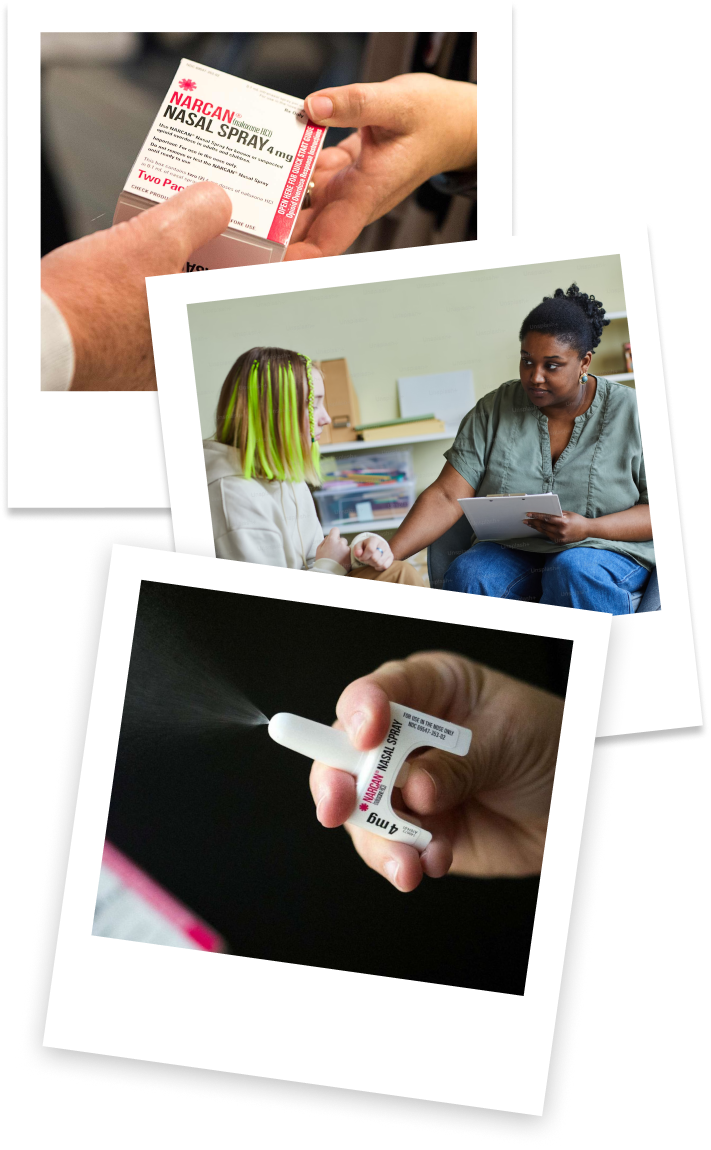
| Many case managers report anxiety around identifying and responding to overdoses. Education can empower you and participants alike.
Identifying an Overdose
- Opioid Overdose Signs: Slow or no breathing, blue lips/nails, unresponsiveness, pinpoint pupils.
- Stimulant Overdose Signs: Rapid heartbeat, overheating, seizures, agitation.
- Key Differences: Opioids slow the body down; stimulants speed it up. Test stimulants with fentanyl strips to detect contamination.
Response Steps
- Check for responsiveness and breathing.
- Call 911.
- Administer naloxone (Narcan) if opioid overdose suspected.
- Perform rescue breathing or CPR if needed—no mouth-to-mouth required with modern guidelines.
- Stay until help arrives.
Trainings have shown to reduce hesitation and empower staff/clients. LA County's Overdose Education and Naloxone Distribution (OEND) program offers free resources. |
|
Misconceptions can hinder effective harm reduction. Here's the truth: |
|
- Trainings: Request from Homeless Health Care Los Angeles (HHCLA) on harm reduction philosophy, overdose response, and more. SAMHSA's Overdose Toolkit offers free guidance.
- LA County Resources: Visit LA County Overdose Prevention for maps and tools.
- Further Reading: Explore Housing First principles and racial equity initiatives.
|
|
Comments, Questions, or Feedback about this guide? Let us know |
|
|
Explore More Resources for ICMS |
Find everything you need to support your outreach, housing navigation, and client engagement at the PSH ICMS Program Information Center — including guides, workflows, trainings, and system access tools. |
|
|
|
|