[[trackingImage]]

Integrated Residential Programs: Optimal Therapy for Schizophrenia and Serious Mental Illness

Residential programs that combine clinical therapy, workgroup therapy, a natural campus environment, and specialized therapeutic modalities like Cognitive Behavioral Therapy (CBT), Dialectical Behavior Therapy (DBT), and Radically Open Dialectical Behavior Therapy (RODBT) are proving to be highly effective for individuals living with schizophrenia and other serious mental illnesses. This integrated approach addresses the multifaceted needs of these individuals, leading to significant improvements in their mental health and overall well-being.


Clinical therapy forms the cornerstone of these programs, employing evidence-based treatments to address the psychological and medical aspects of mental illness. CBT, for example, helps patients recognize and alter negative thought patterns and behaviors, which is crucial for managing the delusions and cognitive distortions associated with schizophrenia. DBT focuses on emotional regulation and distress tolerance, benefiting those who experience intense emotions and self-destructive behaviors. RODBT, a specialized adaptation of DBT, targets overcontrolled personality disorders, aiding individuals who are excessively rigid and inhibited to become more flexible and open.


The residential setting enhances the effectiveness of these therapies by providing a structured and supportive environment. Continuous access to mental health professionals ensures that treatment plans are regularly reviewed and adjusted according to each resident’s progress and evolving needs. This consistent, personalized care is vital for effectively managing symptoms and preventing relapses.


Workgroup therapy complements clinical therapy by introducing a social and functional dimension to the treatment. Engaging in group activities such as vocational training, and community service helps residents develop social skills, boost self-esteem, and find a sense of purpose. These activities encourage teamwork and communication, which can counteract the social isolation often experienced by individuals with serious mental illnesses. The routine and responsibility inherent in work groups also support cognitive functioning and emotional stability.

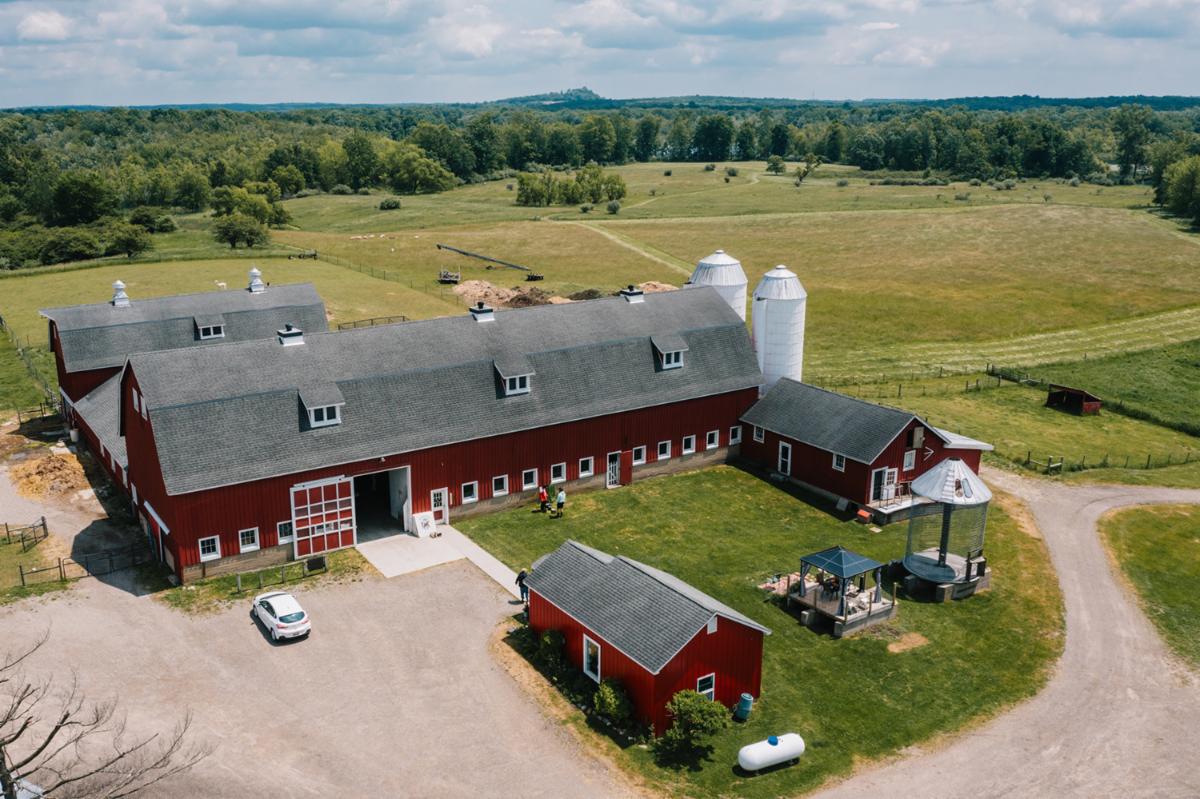
The natural campus environment provides a therapeutic space that significantly enhances the overall treatment experience. Research indicates that exposure to nature can reduce stress, improve mood, and enhance mental clarity. The tranquility of a natural setting offers a soothing contrast to the chaotic and overstimulating environments many residents come from. Activities like nature walks, gardening, and outdoor recreation not only provide physical benefits but also promote mindfulness and relaxation, contributing to emotional and psychological healing.


This integrated approach is particularly effective because it treats the individual holistically. Clinical therapy addresses the psychological and medical dimensions of mental illness through specialized modalities like CBT, DBT, and RODBT. Work group therapy fosters social interaction and skill development, creating a supportive community. The natural environment promotes physical and emotional well-being, offering a peaceful space for reflection and growth.


The combination of these therapies is tailored to the complex nature of schizophrenia and other serious mental illnesses. By providing comprehensive clinical support, opportunities for social engagement and skill development, and a calming natural environment, residential programs offer a nurturing framework for recovery. This holistic approach not only improves symptom management but also enhances long-term well-being and quality of life.


In conclusion, a residential program that integrates clinical therapy, work group therapy, a natural pastoral campus, and specialized therapeutic modalities like CBT, DBT, and RODBT stands out as the best therapy for individuals living with schizophrenia and other serious mental illnesses. This comprehensive approach addresses the diverse needs of these individuals, leading to sustainable recovery and significant improvements in their mental health and overall quality of life.


At Rose Hill Center, we provide compassionate residential care for individuals struggling with mental health challenges — specializing in cutting-edge treatment for schizophrenia, schizoaffective, major depressive disorder, bipolar disorder, borderline personality disorder and autism spectrum disorder.


Our comprehensive programs and personalized approach helps residents achieve their goals and reclaim their lives.


If you have any questions or would like to speak with one of our admissions specialists, we would be happy to provide assistance. We’re here to help you find the support and guidance you need to start your journey toward mental well-being.


  • Residential mental health care
  • Unique therapeutic approach
  • World-class care with proven results