2026 RMHP Behavioral Health Provider Learning Series |
|
| RMHP’s 2026 Behavioral Health Provider Learning Series offers providers the opportunity to strengthen real‑world skills across a broad range of clinical and operational topics. Participants will learn how to recognize and respond to vicarious trauma, identify eating disorder concerns in adults, and engage with innovative models of integrated care. The series also includes advanced CoCM troubleshooting, updated perspectives on child and family therapy, pediatric‑focused considerations, and practical strategies for building strong, Medicaid‑compliant clinical documentation. Our goal is for each participant to leave a session with actionable knowledge, expert insight, and tools that can be immediately applied in daily practice.
These virtual learning opportunities will take place on the last Tuesday of each month from 12:00 PM to 1:00 PM MST, March through September. The learning series is free to attend and features Colorado‑based and national experts who bring deep expertise and practical, applicable insights. Register here for the series! |
|
|
|
| Recording available here March 31, 2026
Review the difference between burnout and vicarious trauma, addressing signs, symptoms, and behaviors. How vicarious trauma may present in treatment, in job performance, self-care and prevention strategies.
Session Objectives: Bring awareness to the topic, provide a safe space for self-reflection and provide support.
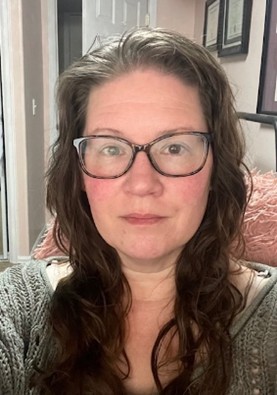
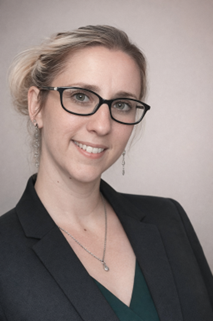
About the Speaker: Victoria (Vicki) Allen-Sanchez, PsyD, LPC (She/Her) I have been a practicing clinician since 2006 and an LPC since 2009. I have worked in many facets within our industry to include community mental health, justice involved adolescents, residential treatment, inpatient and partial hospitalization, and other community initiatives including working with the Colorado Springs Fire Department addressing the needs of frequent callers to the 911 system. I earned my doctorate in 2018 with a specialization in Neuropsychology. I started working in the managed care space for the BHA contracts, specifically crisis services in 2021. I have presented nationally for SAHMSA. Published an in the Journal of Emergency Medicine and the dissertation What is the Experience of Raising a Child with Autism? A Collective Narrative of Blogging, 2018. |
|
|
|
|
|
| Recording available here April 28, 2026
Eating disorders are impactful and life-threatening illnesses which occur across all ages, genders, ethnicities, cultures and socioeconomic levels. Early detection and best practice multidisciplinary specialty care are most effective in treating eating disorders. In this webinar, participants will learn to recognize how eating disorders commonly present in adults, screen effectively, identify key medical and nutritional complications to communicate to primary care providers. This webinar will also offer practical language and prompts to engage clients in supportive, non-stigmatizing conversations. Learning Objectives: At the completion of this webinar, participants will be able to:
- Identify the presenting symptoms most common in eating disorders
- List at least 3 medical/nutritional complications of eating disorders
- Create communication strategies and sample prompts for discussing eating disorder concerns with adult clients and interdisciplinary providers
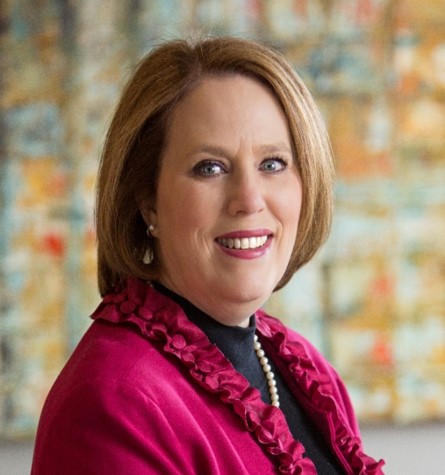
About the Speaker: Leah Graves, RDN, LDN, CEDS-C, FAED, is a nationally recognized expert in eating disorder care with over 40 years of experience spanning clinical practice, professional training, clinical supervision, and program development. She is the founder and principal of Graves Nutrition Consultancy and a partner with Complex Solutions for Eating Disorders, offering advanced consultation to clinicians, treatment teams, and organizations seeking to strengthen their eating disorder services. Leah is a founding member and Fellow of the Academy for Eating Disorders (AED). She has served on the AED Executive Team and Board of Directors, chaired North American Teaching Days for the International Conference on Eating Disorders, and contributed to the Nominating, Fellowship Selection, and Membership Recruitment and Retention Committees. She holds a Certified Eating Disorder Specialist–Consultant credential from the International Association of Eating Disorders Professionals. Her advisory roles include the National Eating Disorders Association (NEDA) Clinical Advisory Council, Rock Recovery, and the National Center of Excellence for Eating Disorders. She is also co-editor of the journal, Eating Disorders Review. Leah is a frequently invited speaker at national and international conferences. Her professional focus includes medical nutrition therapy, evidence-informed nutrition counseling, integration with psychological treatment models, and the clinical development of dietitians and interdisciplinary providers working with eating disorders.
|
|
|
|
|
|
Integrated Care: Innovations Across Settings Panel Discussion Recording available here May 26, 2026
Do you ever wonder how other primary care practices are approaching integrated behavioral health—especially those similar to yours in size, patient population, or experience level? Are you curious about what workflows, staffing models, or innovations are helping teams succeed across different settings? Do you find yourself wanting practical advice for overcoming common challenges or wishing you could learn directly from practices that have been integrating care for years? If so, this panel is for you! Join a group of experienced integrated care leaders as they share real‑world insights, lessons learned, and practical strategies you can apply in your own practice. Panelists from a variety of care settings will highlight actionable approaches for strengthening collaboration, improving workflows, and supporting high‑quality integrated behavioral health services across primary care. This interactive hour offers a rare opportunity to hear directly from peers and experts who are navigating the same complexities, opportunities, and successes across integrated care environments in Colorado. Submit your questions during registration or email them ahead of time to kylanne.briggs@uhc.com to ensure they are addressed during this dynamic discussion.
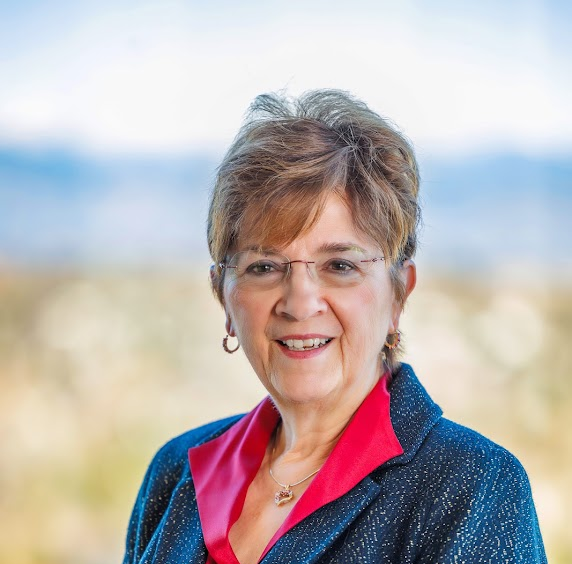
About the Panelists: Audrey Reich Loy is a licensed clinical social worker and licensed addiction counselor with more than 20 years of experience in healthcare. She currently serves as Director of Programs at San Luis Valley Health in Alamosa, Colorado, where she leads population health initiatives, manages interdisciplinary care teams, and oversees performance-based healthcare contracts and grant-funded programs. A key focus of her work includes the integration of behavioral health within primary care and hospital settings, a model she has actively supported and advanced since 2011. Audrey holds a bachelor’s degree from the University of New Mexico in Psychology, Women’s Studies, and Dance; as well as a Master’s of Social Work degree from the University of Denver with an emphasis in Organizational Leadership and Family Systems. Throughout her tenure at San Luis Valley Health, Audrey has held progressive leadership roles, including Behavioral Health Provider, Behavioral Health Program Manager, and Director of Primary Care Operations. Earlier in her career, she contributed to systems-level change through project management for Moving to End Sexual Assault with the Office on Violence Against Women and held a leadership role at Imagine! Colorado, where she developed innovative programs serving high-risk children with developmental disabilities. In addition to her healthcare leadership, Audrey serves as an adjunct professor at the University of Denver and Adams State University. She has also served on multiple nonprofit boards, including her current work with the San Luis Valley Early Childhood Council and the San Luis Valley Area Health Education Center. Her experience reflects a deep commitment to community-based care, integrated behavioral health, and population health strategies, aimed to strengthen healthcare delivery in rural Colorado.
Kristina Daniel, LPC, LAC, ADS, MBA holds master’s degrees in Community Counseling and Business Administration. She is a Licensed Professional Counselor (LPC) and Licensed Addictions Counselor (LAC). She has a deep passion for training, coaching, and facilitating groups across many settings. Through her work at Valley-Wide, Kristina trains staff in Mental Health First Aid and COMET. She also provides DUI education and business consultation outside of her everyday role. Kristina serves on several boards and commissions, including the Caring for Colorado Board, the Colorado Board of Addiction Counselor Examiners, the HealthySteps Advisory Council, the San Luis Valley Interagency Oversight Group, and the 12th Judicial District Performance Commission. With these strengths, Kristina’s leadership style emphasizes high support, high accountability, and working with people as people first. She enjoys building and refining systems that help others succeed and cares deeply about the communities Valley-Wide serves. She is known as a compassionate and direct communicator who believes strongly in helping people recognize and build upon their own strength and resilience. Outside of work, Kristina loves trying hard things. She is a runner (slow, but steady), enjoys hiking, and is becoming more proficient at skiing. She recently began exploring watercolor painting — with mixed but enthusiastic results — and enjoys reading fiction, with a special fondness for the Harry Potter series.
Randall Reitz PhD is Director of Behavioral Medicine at the St Mary's Family Medicine Residency in Grand Junction. He has also been the CEO of Summit Community Care Clinic in Frisco, Colorado and the CEO of the Collaborative Family Healthcare Association. He served on Grand Junction's City Council from 2021-2025. He completed his PhD in Family Therapy from Brigham Young University in 2001.
Katie Forman, LCSW received her MSW from Smith College School of Social Work in 2015 and has been a primary care behavioral health provider since 2017. She currently manages the BH department at Mountain Family Health Centers. Trained psychodynamically, Katie enjoys melding the brief, often solutions-focused model of integrated care with this theoretical orientation, enlivening the nuance of the everyday interaction. In addition to maintaining clinical time, Katie works inter-discipline to constantly assess and improve access and quality of care to our 20,000 patients.
Annie Edgecombe, MS is a Behavioral Health Program Manager at Mountain Family Health Center and community health leader on Colorado’s Western Slope. With a background in nutrition, community mental health, and integrated primary care, she specializes in building systems that expand access, improve quality, and enhance the patient experience. Annie is passionate about equity-driven innovation, collaborative problem-solving, and creating sustainable, people-centered programs that deliver better care to more people.
Jarid Rollins, LCSW Mid-Valley Family Practice (more info coming soon!)
|
|
|
|
|
|
CoCM Unblocked: An Advanced Troubleshooting Session SESSION POST-PONED, MORE DETAILS TO COME.
This session is designed as an open, collaborative forum where practices can bring forward the real‑world challenges they’re experiencing with Collaborative Care Model (CoCM) implementation. Instead of a traditional presentation, this is a problem‑solving space...a chance to surface what feels confusing, overwhelming, or “stuck,” and work through it together with peers. This is not an entry‑level session. It is intended for teams that are already actively taking steps toward CoCM implementation and are ready to refine workflows, troubleshoot barriers, and deepen their operational practice. However, individuals who are newer to CoCM and simply want to learn more are welcome to listen in and observe. Participants are encouraged to bring:
- Workflow barriers
- Billing or documentation questions
- Care manager or PCP engagement challenges
- Registry or measurement‑based care issues
- Role clarity concerns
- Any process that just isn’t working the way it should
Our goal is to unblock your CoCM workflows by exploring solutions, sharing examples from other practices, and offering tailored guidance that supports your team’s next steps. Whether your challenge is big or small, this is a space to get support, ask hard questions, and collaborate toward practical fixes you can apply right away.
Kylanne (Ky) Briggs, LCSW, MBA, is a licensed clinical social worker in the state of Colorado and holds advanced training in perinatal mental health. She has completed graduate studies in business administration with an emphasis in healthcare management, adding to her previously earned academic degrees in Human Services and Social Work. Before joining Rocky Mountain Health Plan’s Clinical Quality Improvement team as Clinical Program Manager – Behavioral Health, Ky worked for several years in a quality assurance/compliance role. Her experience includes integrated care in a FQHC, organ and tissue donation, hospice, corrections, private practice and child welfare. Ky also spends time as an adjunct professor in MSW programs. Regardless of the setting, one passion always shines through: Ky strives to support providers in doing their best work.
Pamela Ballou-Nelson, RN, CMPE, MA, MSPH, PhD, has over 30 years of experience in healthcare management focusing on practice process improvement and transformation through use of LEAN tools, revenue cycle management, PCMH, workflow analysis, quality measures, Medicaid and CMS outcome measures, care management, population health, and patient activation, across the continuum of care. Dr. Nelson has worked with both provider and payer organizations working toward alternative care and value-based payment models.
|
|
|
|
|
|
Rethinking Child & Family Therapy: From Performance to Regulation and Relationship July 28, 2026
This foundational training invites behavioral health providers to reconsider how children, caregivers, and family systems are understood within therapy. Drawing from play therapy, somatic, and systems-based perspectives, the session emphasizes perspective shifts that support regulation, relationship, and cultural responsiveness rather than compliance or behavior management alone. Participants will explore how adult-centric and performance-based expectations often show up in child therapy, how caregiver stress and grief impact engagement, and how child behavior can be understood as communication and regulation rather than defiance. The training offers practical reframes clinicians can use to approach families with curiosity, context, and compassion in real-world settings.
Session Objectives By the end of this session, participants will be able to: ● Identify how performance-based and adult-centric assumptions can impact child and family therapy ● Describe child behavior through a regulation- and development-informed lens rather than a compliance-based one ● Recognize caregiver stress and grief as factors that influence family engagement in treatment ● Apply culturally responsive curiosity to better understand family values, routines, and context Use practical reframes to shift from control-based questions to curiosity-driven clinical thinking
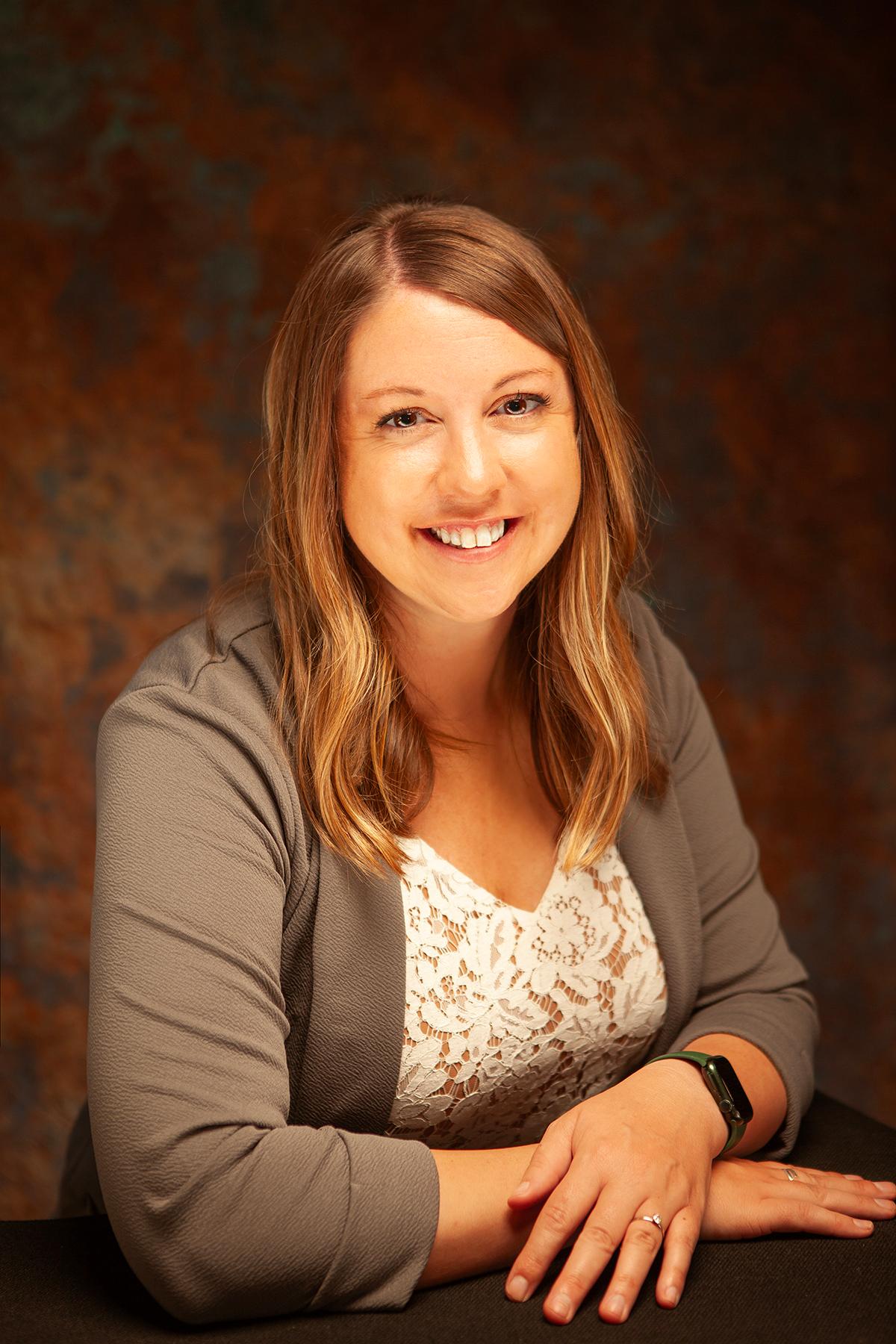
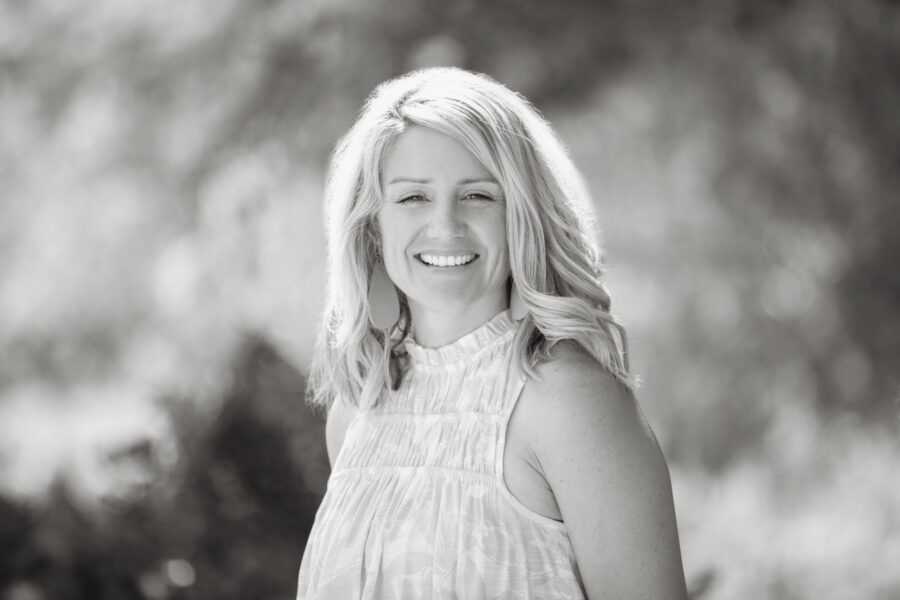
About the Speakers: Kyra Rivenloch, LCSW, RPT-S, is a licensed clinical social worker, Registered Play Therapist–Supervisor, and the owner of Creative Directions Counseling & Consulting. She specializes in child, family, and systems-based therapy with a strong emphasis on regulation, relationship, and developmentally appropriate care. Kyra’s clinical work integrates Synergetic Play Therapy, Child-Centered Play Therapy, Jungian-oriented play therapy, and Geek Therapy frameworks, allowing her to meet children and families through experiential, somatic, symbolic, and relational approaches. Her work centers on helping children and caregivers move away from performance- and compliance-based expectations and toward increased awareness, regulation, and connection. Kyra frequently supports families navigating behavioral challenges, emotional regulation, caregiver stress, and complex systems of care, and is passionate about helping clinicians rethink traditional child and family therapy models in culturally responsive, sustainable, and human-centered ways.
Thomas Jackson-Gluth, LSW, SWC, is a licensed social worker and a contracted therapist at Creative Directions Counseling & Consulting. He provides clinical care to children, families, and adults (ages 3–40), with the majority of his work serving Medicaid-funded clients across home, school, and community-based settings. Thomas’ work centers on relational, strength-based care that supports family connection and nervous system regulation within complex social systems. His clinical approach integrates play-based and experiential methods, synergetic play therapy techniques, nature-based interventions, and concrete modalities (CBT, DBT, ACT), with emphasis on intersecting client interests and flexibility in his approach. With experience working within Medicaid systems- including prior work as a community health case manager- Thomas brings attention to how policy shifts, service instability, and rigid care models impact access, continuity, and trust. He is passionate about helping professionals unlearn deficit-based narratives about Medicaid clients and reframe care by placing accountability on systemic barriers, centering rapport, cultural humility, adaptability, and advocacy as foundations for sustainable patient connection. |
|
|
|
|
|
Navigating Big Emotions in Little Kids (Ages 2–6): Clinical Assessment and Intervention Strategies August 25, 2026
Session Description This session equips behavioral health and pediatric professionals with practical frameworks for assessing and responding to emotional dysregulation in young children ages 2–6. Participants will learn how to conduct brief developmental and functional assessments within time-limited clinical settings and differentiate between sensory-driven behaviors, frustration intolerance, and unmet developmental or emotional needs. The training emphasizes identification of clinical red flags associated with anxiety, autism spectrum presentations, and trauma exposure, while building skills in delivering real-time parent coaching interventions that support early regulation and prevention-focused care. Session Objectives Participants will be able to:
- Apply a brief developmental and functional assessment framework to evaluate emotional dysregulation in children ages 3–7.
- Differentiate behavioral presentations related to sensory processing differences, developmental frustration, environmental stressors, and unmet needs.
- Recognize early clinical indicators and red flags associated with anxiety disorders, autism spectrum disorder, and trauma-related responses in early childhood.
- Utilize evidence-informed strategies for in-the-moment caregiver coaching within pediatric or integrated behavioral health settings.
- Implement practical regulation supports including sensory resets, visual supports, and dyadic calming techniques appropriate for early childhood.
- Integrate early childhood regulation principles into pediatric and integrated behavioral health workflows. Develop brief clinical pathways for recurrent tantrum or behavioral visits, including monitoring, follow-up planning, and interdisciplinary referral when indicated. Increase clinical confidence in managing high-emotion presentations within fast-paced pediatric or primary care environments.
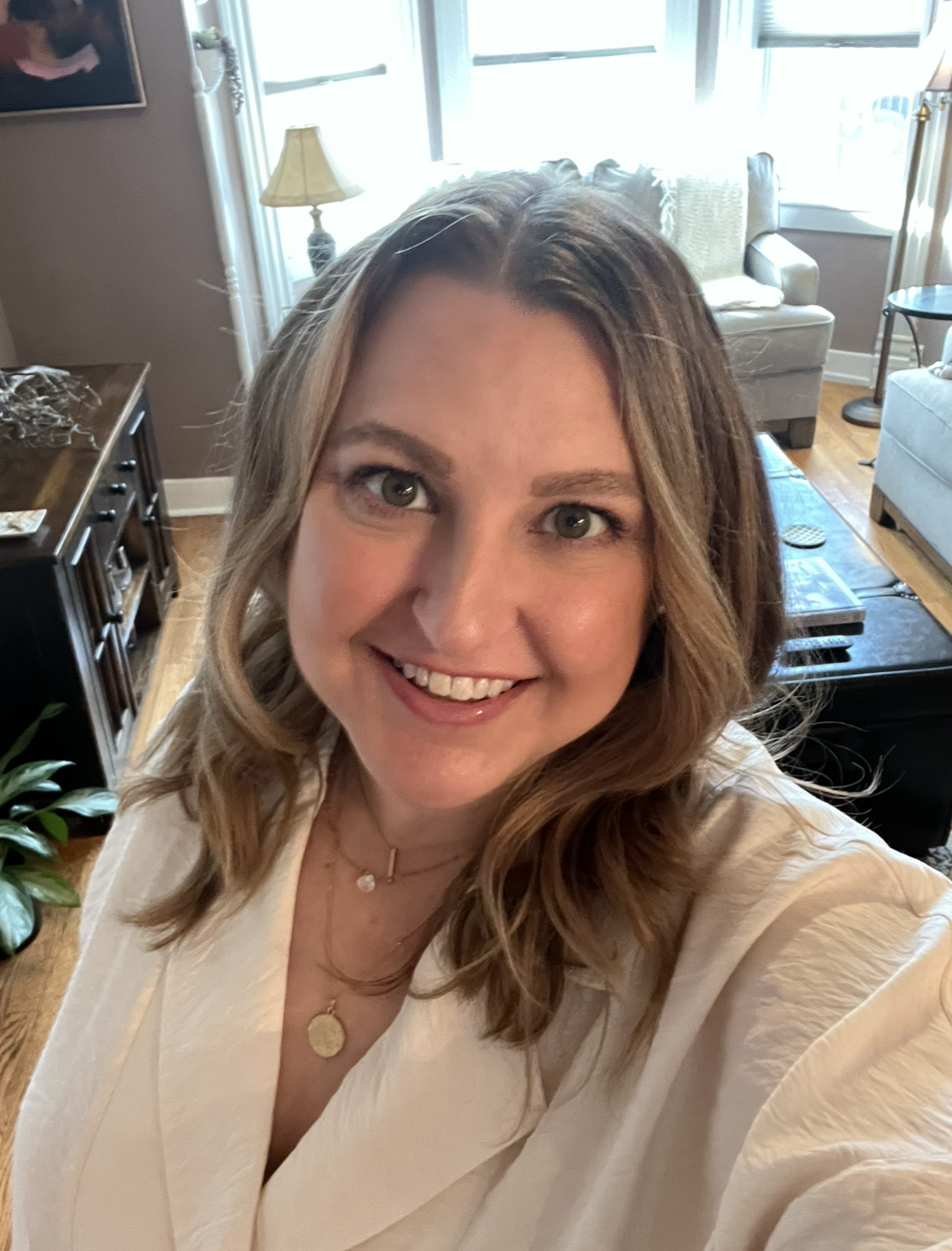
About the Speaker: Rickelle Hicks, MA, LMFT (she/her) is a Licensed Marriage and Family Therapist practicing in the valley since 2007 when she graduated from Bethel Seminary in San Diego, CA. Her undergraduate was spent at Colorado State University where she graduated with a bachelors degree in Human Development and Family Studies. She is trained in Eye Movement Desensitization, Trauma Focused Cognitive Behavioral Therapy, and Circles of Security, among many other modalities. Rickelle started our Integrated Behavioral Health program in March of 2022 with 8 years prior experience in embedded practice. She is passionate about helping patients within a medical home and collaborating care with providers to treat the mind and body in tandem. She sees children across developmental stages and has years of experience treating a wide variety of diagnoses. Her passion is to make individuals and families feel heard and safe exploring their mental health challenges. Rickelle was born and raised in Monument, CO but has found her home in Palisade with her three sons and husband. When not working she can be found at home or on the river.
|
|
|
|
|
|
Behavioral Health Documentation Requirements for Medicaid: Building Strong Clinical Records Through Assessment, Service Planning, Progress Notes, and Care Coordination September 29, 2026
Accurate, thorough, and person-centered documentation is essential to delivering high‑quality behavioral health care while meeting Medicaid regulatory requirements. Strong clinical documentation supports effective treatment, demonstrates medical necessity, and strengthens communication across care teams. In this training, participants will learn the core components of Medicaid compliant behavioral health documentation, with a focus on clinical assessment, service planning, progress notes, and care coordination. The session will provide practical guidance, clear expectations, and real‑world examples to help providers create documentation that both meets regulations and is clinically meaningful. Participants will also receive strategies for aligning documentation practices with client-centered care and value-based quality standards.
Learning Objectives: At the completion of this training, participants will be able to:
- Identify required Medicaid elements for behavioral health assessments and document medical necessity appropriately.
- Develop service plans that meet documentation standards and clearly align with assessed needs.
- Apply Medicaid expectations to progress notes to accurately document services and clinical rationale.
- Document care coordination activities in a Compliance approved manner.
About the Speakers: Sean McCaffrey, LPC, LAC, is the Team Lead and a Quality Analyst for the Behavioral Health Quality Assurance Team at Rocky Mountain Health Plans (RMHP), where he oversees behavioral health audit activities, provider education, and quality improvement initiatives across RAE 1 and RAE 2. With experience as an inpatient and outpatient clinician, intensive care coordinator, and utilization review specialist, Sean brings practical, realworld insight to quality and compliance work. His efforts focus on strengthening clinical documentation practices, improving audit readiness, and helping providers navigate regulatory expectations with clarity and confidence. Sean prioritizes building trusting, collaborative relationships with providers and emphasizes responsive, serviceoriented support to help them succeed. He is committed to contributing to effective behavioral health systems and supporting consistent, highquality care for members and communities.
Virginia Meredith, MA, LPC is a Senior Clinical Quality Analyst with Rocky Mountain Health Plans focusing on documentation quality, clinical care delivery, and provider education. Her goal is to bring transparency to the audit process and develop relationships with providers in an effort to bridge any education gaps that may exist between documentation standards and daily clinical practice. Virginia’s own clinical experiences range from outpatient private practice to inpatient and residential care and she is well versed in navigating the ins and out of Medicaid insurance. Virginia knows the importance of good client-provider relationships and believes that Medicaid should support the delivery of quality clinical care. |
|
|
|
|
|
|