[[trackingImage]]

EDITION: 10/09/2025

Jet Lag: Symptoms, Causes, and Prevention


Written byEric Suni|Medically Reviewed byAbhinav Singh, MD, MPH, FAASM


Long-distance plane travel is infamous for being inconvenient and uncomfortable. Due to the logistics of check-in, the stress of security lines, and hours being stuck in a confined space, many people find extended plane trips to be seriously taxing.

Jet lag frequently contributes to the physical burden of long flights. Jet lag can throw off your sleep and cause other bothersome symptoms that persist for days or even weeks after a flight. Whether you’re traveling for business or pleasure, understanding jet lag can make long-distance trips more pleasant and less disruptive to sleep and overall health.


What Is Jet Lag?

Jet lag is a circadian rhythm sleep-wake disorder that occurs when your 24-hour internal clock does not match the local day-night cycle.

Under normal circumstances, a person’s circadian clock promotes alertness during the day and sleep at night. In addition to sleep, this internal clock controls multiple biological processes including mood, performance, hormone release, metabolism, and immune function, among many others. The clock, and the rhythms it controls, are synchronized by the 24-hour light-dark cycle to promote normal function and good physical and mental health. When someone travels across many time zones quickly, the circadian clock cannot reset to the new light-dark cycle quickly enough, causing jet lag. 

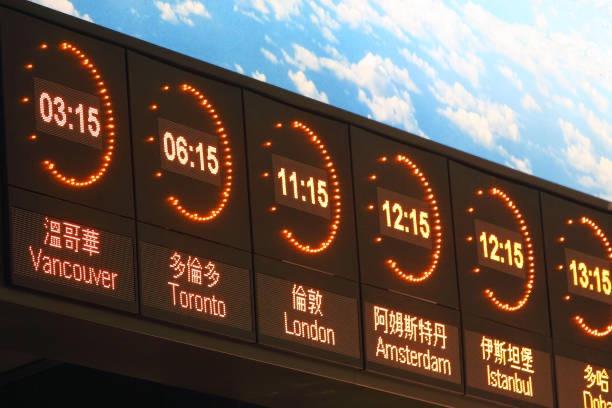
Jet leg generally happens when a person travels east or west across three or more time zones. For example, if you fly from Los Angeles to New York and arrive at 11 p.m., your body might still operate as if it’s in L.A. at 8 p.m. and make it hard to fall asleep at the normal time in New York. This jet lag can cause you to stay up later than you’d like, sleep at odd hours, or feel more tired than usual, among other symptoms. It will also make it hard to wake up in the morning. When you try to wake up at 7 a.m. on New York time, you body will still think it is 4 a.m.


Creating a Plan for Overcoming Jet Lag

The optimal plan to avoid jet lag depends on many factors including the direction of your flight, the number of time zones crossed, how long you will remain at your destination, and your schedule and obligations during your trip.

Taking these factors into account, you can create a personalized plan to reduce jet lag. Light can help you realign your circadian rhythm, but the timing is not intuitive and it’s easy to get it wrong.

A doctor, travel nurse, or sleep specialist may be available to help you prepare a plan for managing jet lag. Several online resources and apps can help you generate tailored schedules to help reduce jet lag based on your trip details.

Practical Tips for Reducing Jet Lag

A number of practical tips for before, during, and after your flight can help reduce sleep disruptions and travel fatigue so that you make the most of your trip.

Before Traveling

  • Schedule the first days of your trip: Make sure to give yourself time to sleep and follow your plan for light exposure. Build buffers into your schedule just in case you feel sluggish, and if possible, try to arrive days in advance of an important meeting or event so that you have time to acclimate.
  • Minimize travel stress: Don’t wait until the last minute to pack or leave for the airport. Being in a rush can heighten stress and make your travels more difficult.
  • Get quality sleep: Focus on getting quality rest for at least a few nights before your trip so that you’re not already sleep-deprived at the beginning of the trip. Prioritize sleep so you can be at your best when you arrive.

During Flight

  • Stay hydrated: Drink water to replenish fluids and counteract the dehydration that can occur in-flight.
  • Limit alcohol and caffeine: Reduce alcohol and caffeine intake on-board or skip them entirely. 
  • Eat smart: Reduce the risk of digestive problems by eating healthy and light. Opt for fruits and vegetables over heavy, calorie-rich, fatty snacks.
  • Stand up and move: Blood clots and stiffness can occur if you are seated for too long. Walking, standing, and gently stretching a few times during the flight may reduce these risks.

After Arrival

  • Exercise: Find time for a walk or other light physical activity. Exercising outside to receive appropriately timed daylight exposure will help recalibrate your circadian rhythm.
  • Limit alcohol, caffeine, and heavy meals: Avoid excessive caffeine, alcohol, or heavy and calorie-rich meals. 
  • Nap with caution: Avoid the temptation to take an extra long nap. Try to keep naps less than 30 minutes and only nap eight or more hours before your planned bedtime.