| Every year since 2009, Great Basin National Park hosts a Bioblitz event and invites community members, amateur naturalists, and professional biologists to come together and explore the biodiversity of the park. This short-term event provides researchers and park naturalists with a snapshot of the park’s living creatures as well as a chance for passionate volunteers from different backgrounds to come together to learn and contribute to scientific knowledge.
This year, the Park is celebrating pollinator week by partnering with the Xerces Society’s Mountain States Bumble Bee Atlas for a Bumble Bee Bioblitz! This three-day event will be a combination of educational presentations and bumble bee surveys along with time to explore and enjoy the Park.
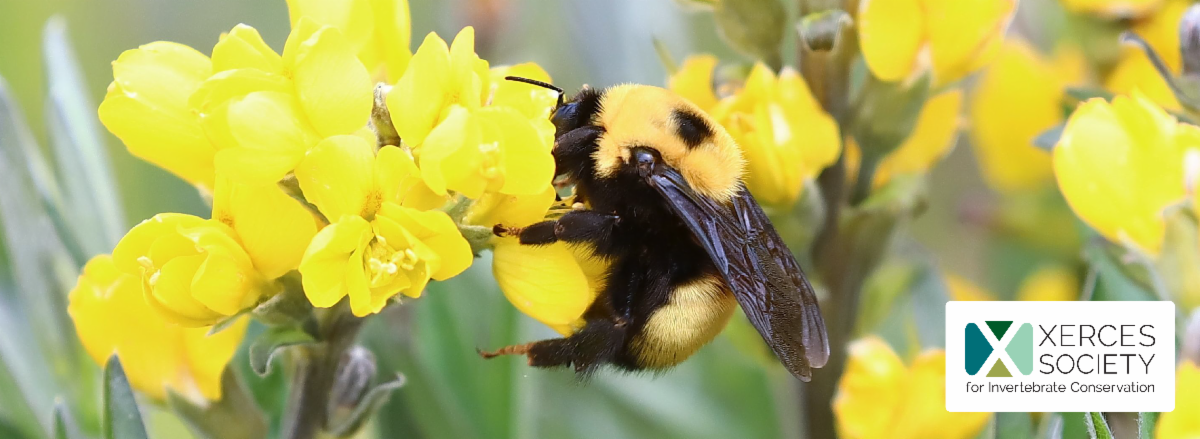
Bumble bees play an incredibly important role in sustaining the health of our environment by pollinating flowers in natural and urban areas and by contributing to successful harvests on farms. The western and mountain regions of North America boast some of the highest diversity of bumble bees, making this a fun place to learn about and study them. Unfortunately, like many other insects and pollinators, 25% of North American bumble bee species have been experiencing population declines in past decades. The Mountain States Bumble Bee Atlas aims to help our bumble bees by learning more about where they are, the types of habitats they’re using, and the flowers they’re relying on. By gathering these data we can help guide future conservation efforts.
Learn more at bumblebeeatlas.org/pages/mountain-states.
What to Bring
- Any materials you need for taking notes.
- Plenty of water, snacks, and any other personal care items.
- Be sure to have sturdy shoes, appropriate clothing layers, and sun/rain protection for time outside.
- Handouts will be provided during the classroom portions of the event.
- Survey equipment will be available to use, but if you have your own nets and vials, please bring them!
- If you have a small portable cooler to use for surveys, please bring it.
- You’ll need a camera or cell phone to take pictures of bumble bees and a way to record the GPS coordinates of your survey location (cell phone app or GPS unit).
What to Expect — Planned Agenda Thursday 6/19: Volunteers arrive. Campers get settled at Grey Cliffs Campground Afternoon:
- Intro to the Atlas, essential background info (life cycle, diversity, conservation)
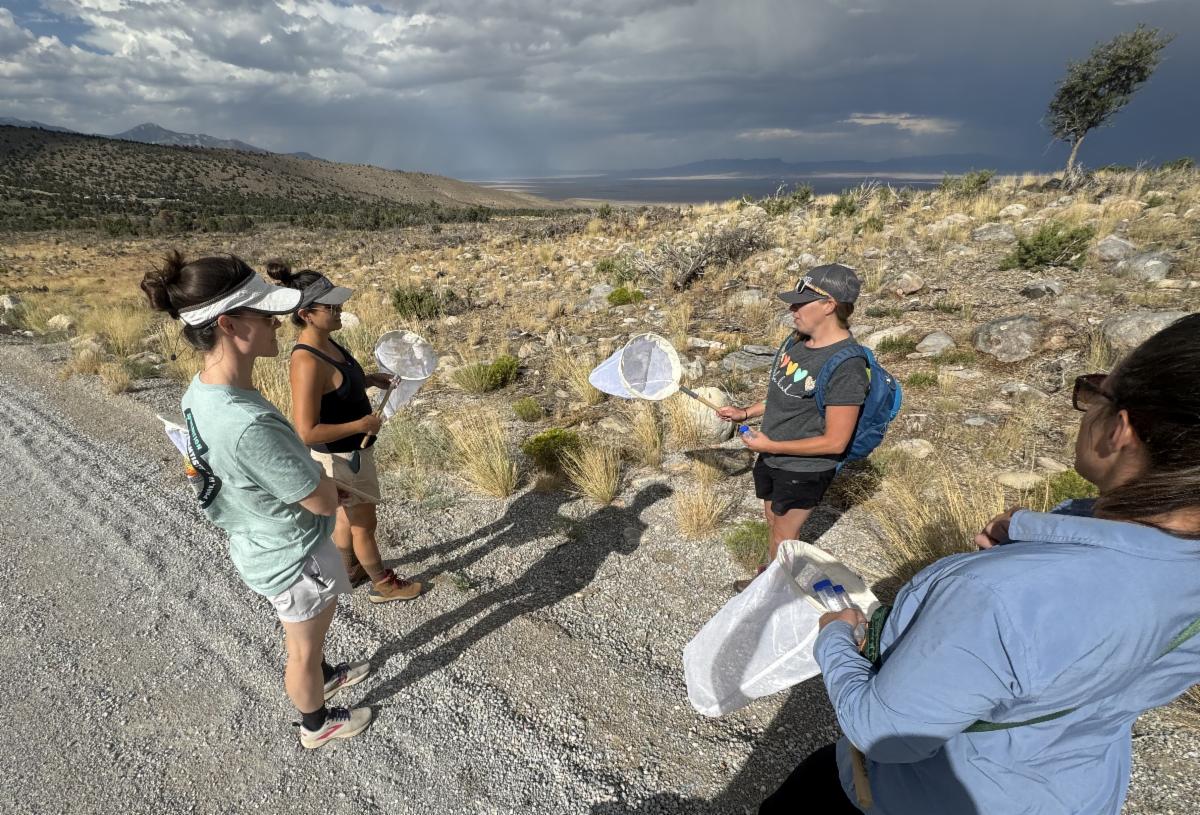
- How to conduct an Atlas survey
- Time to practice netting, vialing, photographing bees
Evening:
- Intro to Bumble Bee Species ID (optional)
Friday 6/20: Morning:
- Meet to plan where to survey
- Conduct surveys
- Enjoy the park
Afternoon/Evening:
- Conduct surveys
- Upload survey data
- Enjoy the park
Saturday 6/21: Morning:
- Breakfast
- Upload survey data
- Summarize results
Volunteers depart
Instructors Amy Dolan, Endangered Species Conservation Biologist, Mountain States Bumble Bee Atlas, the Xerces Society Amy joined Xerces in June 2024 to coordinate the Mountain States Bumble Bee Atlas in Colorado, Nevada, Utah, and Wyoming. The goal of the project is to engage with agency partners and community scientists to gather data on bumble bee distribution and habitat needs across the region. Amy has a bachelor's degree in biology from Wisconsin Lutheran College and a master’s degree in entomology from Montana State University. Her masters project was “The Bumble Bees of Montana.” Much of Amy’s career has been spent in education—as a middle and high school science teacher, outdoor educator, and youth crew leader. She is excited to explore the diverse landscapes of the mountain states while connecting with new people and sharing her love of bumble bees.
Partners This workshop is a collaboration between the Xerces Society of Invertebrate Conservation and the Great Basin National Park and is supported by the U.S. Bureau of Land Management. |