| SCICU Undergraduate Research in Action
Behind every number is a real story. A student digging deeper into something they genuinely care about. A faculty mentor taking the time to guide and encourage a new scholar. A campus community showing up to support curiosity and discovery.
Through SCICU-supported undergraduate research, students at South Carolina’s independent colleges and universities are engaging in meaningful, faculty-mentored projects that encourage them to ask thoughtful questions, think critically, and grow in confidence. Along the way, they are strengthening their academic skills and gaining greater clarity about their future paths. This year’s projects reflect the impressive range of hands-on research taking place across our campuses, spanning both the humanities and the sciences, and highlight how impactful these experiences are for students and their academic and professional development.
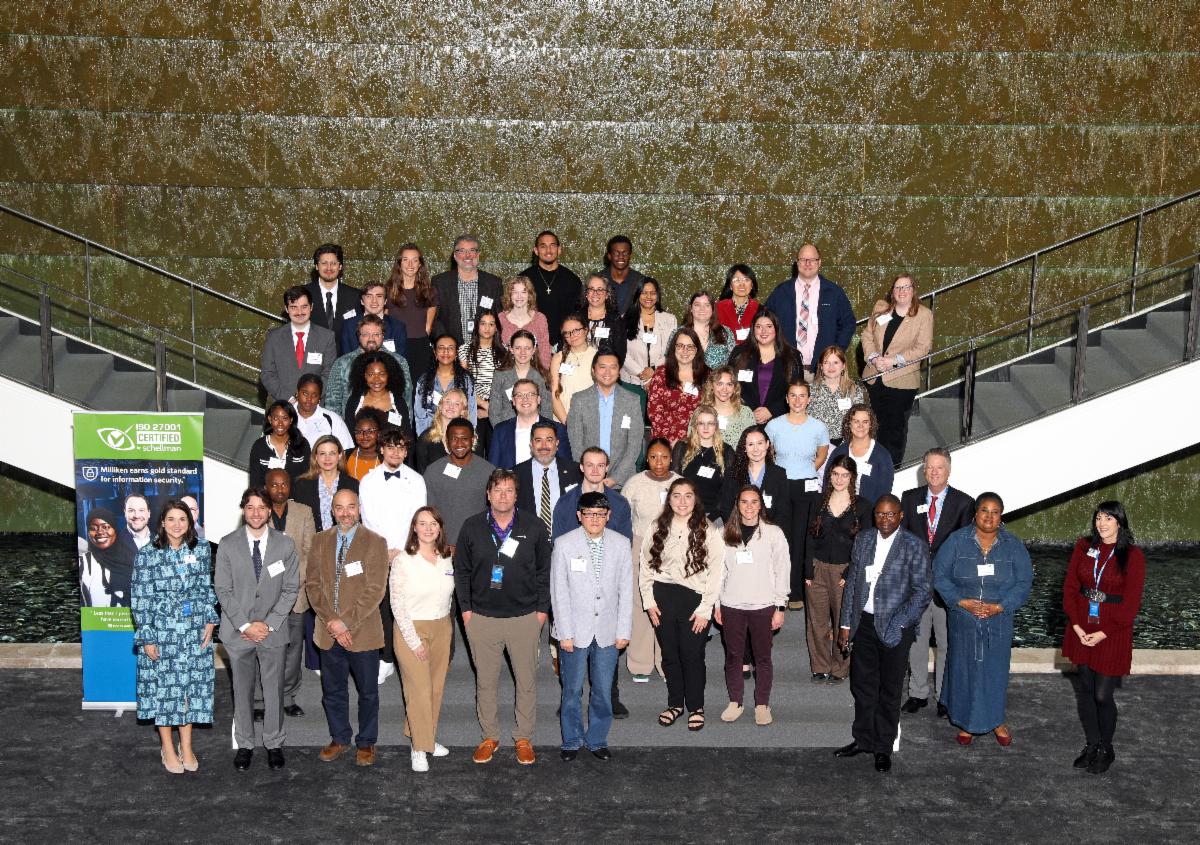
The symposium gave students a professional space to share their work, answer thoughtful questions, and connect with peers and community leaders. For many, it was their first time presenting research in a formal setting. That kind of experience stays with you. It builds confidence, affirms their hard work, and marks an important step forward in their academic journey.
Connecting Land, History, and Legacy
Bella Moreno, a senior history and politics double major at Converse University, set out to understand why the Baruch family held such deep reverence for the land at Hobcaw. What began as a traditional historical inquiry quickly evolved into an interdisciplinary project bridging history and environmental change.
After receiving SCICU funding, Bella conducted extensive archival research and traveled twice to the Barony at Hobcaw. Seeing the land in person transformed her approach. “Being there changed everything,” she said. “It gave my research a depth I couldn’t have achieved through archives alone.”
Her work required learning about environmental shifts over time and how changes in landscape influence historical interpretation. Balancing the project with senior-year responsibilities challenged her organization and work ethic but also strengthened her confidence as an independent researcher. “SCICU funding made this project possible in a very real way,” Bella noted.
Art, Language, and Cultural Interpretation
At Wofford College, Rachel Dozier, a history and Chinese language double major, focused her research on a Korean folding screen from the college’s museum collection. Her interest grew from years of working with the museum as a student, beginning in her freshman year.
Rachel’s summer research involved studying the historical period of the artwork, translating non-English sources, and repeatedly analyzing the piece in light of new findings. Though not an art history major, she embraced the challenge. “It pushed me outside my comfort zone and made me a stronger researcher,” she said. The experience also clarified her academic direction. Once unsure of her graduate focus, Rachel now plans to pursue Asian and world history. She emphasized that the project would not have been possible without SCICU funding, which allowed her to devote her summer fully to research.
Faculty Mentorship Makes the Difference
Faculty mentors at both institutions emphasized the value of sustained, one-on-one research experiences. At Converse University, Dr. Allison Vick and Dr. Jeffrey Howard described watching students grow from tentative proposal writers into confident researchers who take ownership of their work.
At Wofford College, Dr. Youmi Efurd, museum curator, highlighted perseverance as a key outcome. “Research involves rewriting, challenges, and problem-solving,” she said. “Those experiences become strengths students carry forward.”
Why Undergraduate Research Matters
Across disciplines and institutions, SCICU-funded research gives undergraduates the opportunity to test interests, develop confidence, and experience the realities of scholarly work. For faculty, it provides meaningful mentorship that aligns with their mission as educators. Together, these projects demonstrate how undergraduate research fosters growth, curiosity, and academic discovery.
|