Learn more about the exciting new and improved trainings we are offering your team! New trainings are added periodically so be sure to check back monthly. |
|
|
On-Demand Virtual Trainings |
|
| On-Demand Fentanyl Test Strip Training Learn about fentanyl test strips and how they can be used to save lives. This training will review how to use fentanyl test strips and how to obtain and distribute test strips to the community (0.5 Hours) |
|
 |
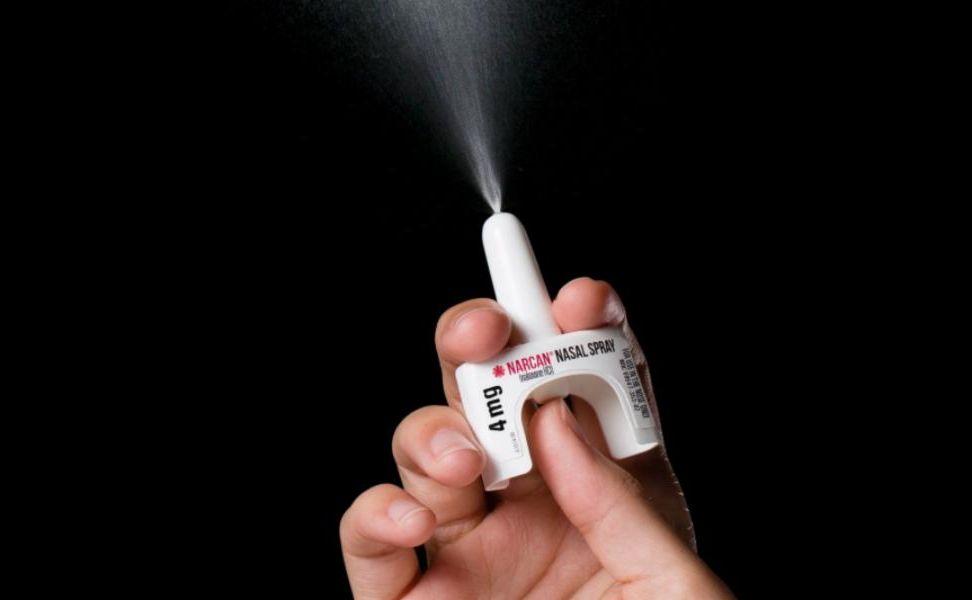
| Overdose Response with Naloxone Learn about the signs of opioid overdose and the use of Naloxone, which is an opioid overdose reversing medication. This training will review how to recognize, respond to, and prevent an opioid overdose with the use of naloxone. (1.5 Hours) |
|
|
| On-Demand Xylazine Test Strip Training Learn about xylazine test strips and how they can be used to save lives. This training will review how to use xylazine test strips and better care strategies that can be discussed with patients/ clients to reduce their risk of overdose. (0.5 Hours) |
|
|
| Syphilis: The Basics The objective for this presentation is to define key vocabulary associated with STIs and syphilis, demonstrate a basic understanding of syphilis, and summarize best practices for syphilis prevention and risk reduction. This training highlights syphilis stages and associated symptoms, congenital syphilis, syphilis testing and treatment, and prevention strategies. |
|
|
| Preventing Perinatal HIV: Building on Best Practices The objective for this presentation is to review HIV acquisition during pregnancy, delivery, and infant chest/breast feeding as well as become familiar with the current guidelines regarding the prevention of HIV via vertical transmission (gestation, delivery, and feeding) from parent to child. This presentation will also educate participants on current Nevada law regarding HIV/STI testing for pregnant persons and their partners.
|
|
|
| Tuberculosis Reporting The Nevada Administrative Code Chapter 441A and the Regulations Governing the Reporting of Diseases, Exposures, and Sentinel Health Events require reports of specified diseases and conditions, foodborne illness outbreaks and extraordinary occurrences of illness be made to the local Health Authority. The purpose of this training is to review the reporting process and form completion for Tuberculosis Disease to submit morbidity reporting to SNHD, TB education, and TB resources. |
|
|
| Testing to Treatment: Congenital syphilis prevention - Emergency Department Learn about syphilis and congenital syphilis in Nevada, and the role that Emergency Departments (ED) play in the prevention of CS. This training will review legislative requirements for syphilis screening, interpretation of syphilis testing, treatment for syphilis in pregnancy, and available resources for healthcare workers and their patients.
|
|
|
|
|
|
|
Better Care Starts Here Learning Series |
|
|
| Better Care 101: Foundations of Better Care when working with people who use drugs This engaging training for adults provides a thorough overview of the better care concept and principles of better care and attendees will be trained on working with clients through use of motivational interviewing and the transtheoretical model. The training will then discuss how to utilize the better care concept when working with people who use drugs and explore examples of better care programs available in the Southern Nevada Community.
Prerequisites: None
Training Lead: Katarina Pulver, Health Educator II |
|
|
| Understanding Drug-Related Stigma This training offers a clear look at how substance-related efforts have changed over time and how these changes shape recovery and health for people who use drugs. Participants will explore social and practical challenges faced by people who use drugs, the stigma that can shape their day-to-day experiences, and how these factors can affect their ability to reach helpful services. The workshop also highlights how a comprehensive community-centered health and safety approach can support stronger local outcomes.
Prerequisites: None
Training Lead: Katarina Pulver, Health Educator II |
|
|
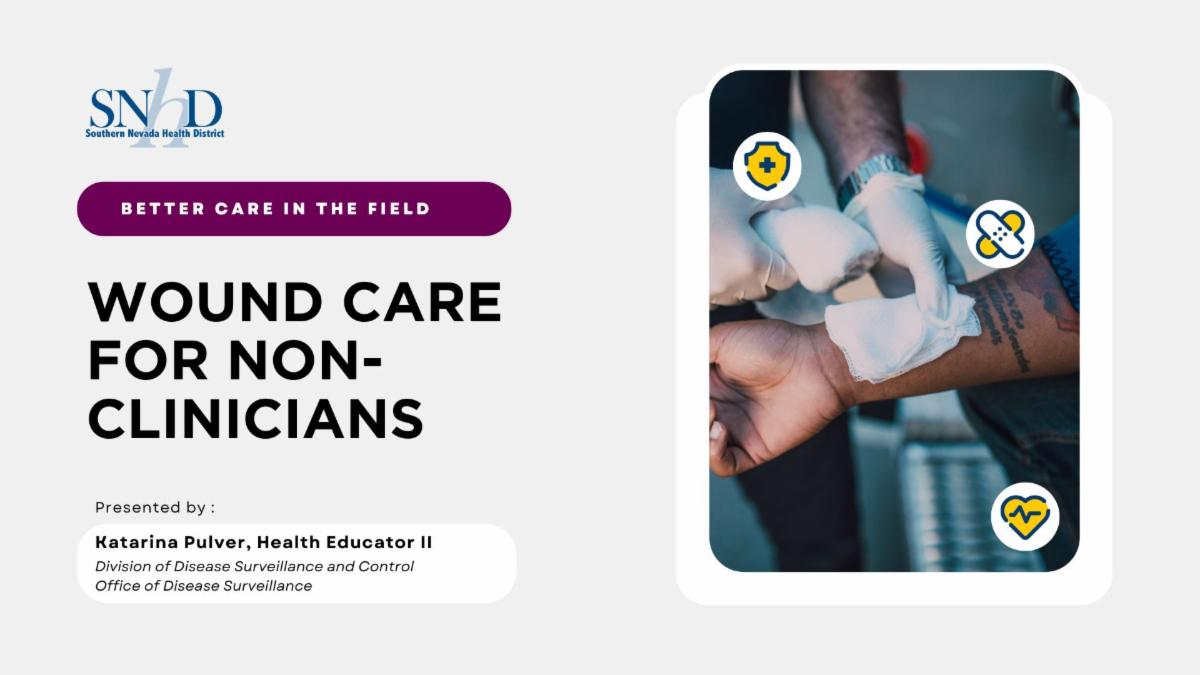
| Better Care in the Field: Wound Care for Non-Clinicians In this workshop, participants will learn best practices for wound care, including self-treatment and when to seek medical help. They will identify common wounds among drug users and discuss better care strategies to help clients minimize the risk of wounds.
Prerequisites: None
Training Lead: Katarina Pulver, Health Educator II |
|
|
| Better Care Between the Sheets: Sex, Sex Work, and Substance Use This workshop encourages open, stigma-free discussions about the intersections of sex, pleasure, and substance use. Participants will explore topics like consent, sexualized drug use, safer sex practices, and legal issues affecting sex work. Attendees will gain better care strategies and resources to support clients/patients who are engaged in sex and substances use.
Prerequisites: None
Training Lead: Katarina Pulver, Health Educator II |
|
|
|
|
| Additional Learning Opportunities from the Health Education Team |
|
|
| Motivational Interviewing Motivational Interviewing is a style of communication developed as a directive, client-centered approach for eliciting behavior change by helping clients to explore and resolve ambivalence.
Prerequisites: None
Training Lead: Heidi Laird, Health Educator I |
|
|
| ABC’s of Hepatitis Learn about Hepatitis A, B, C; who’s at risk, how to prevent transmission and what clients can expect when they access care for Hepatitis C.
Prerequisites: None
Training Lead: Jenny Gratzke, Senior DIIS |
|
|
| Youth Mental Health First Aid Youth MHFA teaches parents/caregivers, educators, health and human services workers, and other caring citizens how to help a teen (age 12-18) who is experiencing a mental health crisis or substance use challenge. The course introduces common mental health challenges for youth, reviews typical adolescent development, and teaches a 5-step action plan for how to help young people in both crisis and non-crisis situations. The course is offered virtually and is scheduled for a full day.
Prerequisites: None; however requires 2-3 hours of pre-work before attending
Training Lead: Rebecca Cruz-Nañez, Senior Health Educator; Heidi Laird, Health Educator I |
|
|
| Mental Health First Aid Mental Health First Aid virtual training is an interactive course that introduces participants to risk factors and warning signs of mental health issues, and emphasizes that recovery is possible. Participants are taught a five-step action plan to assist someone experiencing a crisis and connect them to appropriate professional care. Just as CPR helps you assist an individual having a heart attack, Mental Health First Aid helps you assist someone experiencing a mental health or substance use-related crisis. The course is scheduled for a full day.
Prerequisites: None; however requires 2-3 hours of pre-work before attending
Training Lead: Rebecca Cruz-Nañez, Health Educator II |
|
|
|
| safeTALK Suicide Prevention Training At a Living Works safeTALK workshop, you'll learn how to prevent suicide by recognizing signs, engaging someone, and connecting them to an intervention resource for further support. A supportive trainer will guide you through a 3.5 hour in person course, and a community resource will be on hand to support your safety and comfort.
Prerequisites: None
Training Lead: Rebecca Cruz-Nañez, Health Educator II |
|
|
| Empower Change Testing & Counseling Training Program The Empower Change Testing & Counseling Training Program for Rapid HIV Testing Certification Course is a free, combination ( or hybrid) on-line/face to face training course which will prepare participants, both experienced and new, with the skills, techniques and knowledge related to offer rapid HIV testing and counseling services within community based organizations.
During this training course, information related to blood borne pathogens and HIV epidemiology; basic knowledge about HIV and its acquisition and transmission; recommendations for HIV prevention including PEP, PrEP, and barrier methods and TASP (or Treatment as Prevention); various social and behavioral resources available to HIV (+/-) clients and the community; proper HIV testing technique and mechanisms for HIV test results reporting; and communication including active listening and observational practices to not only build rapport with clients, but keep HIV Rapid Counselors safe, and other critical topics will be covered to ensure comprehensive understanding of HIV, HIV prevention, and linkage to care in Nevada.
In order to complete the course, both the online (or asynchronous) and the face to face/videoconference (or synchronous) elements of the training must be completed.
Prerequisites: Prior to the in-person/video conferencing part of class, the online materials must completed and a knowledge assessment must passed with at least a 70% in order to proceed to the face to face (or synchronous) part of the training.
Training Lead: Cheryl Radeloff, Senior Health Educator |
|
|
| Recognizing Child Abuse/Neglect Mandatory Reporter Training A mandated reporter is a person who has regular contact with vulnerable people and is therefore legally required to ensure a report is made when abuse/neglect is observed or suspected. This training will go over different types of abuse/neglect and give you the knowledge to recognize safety concerns in the community regarding our vulnerable population.
Prerequisites: None; this training is only available to ODS staff
Training Lead: Treva Palmer; Disease Investigator and Intervention Specialist Training Coordinator |
|
|
| We Choose All of Us: Integrating Intimate Partner Violence Referral into our Work This training defines and provides techniques to learn how to recognize and respond to signs and symptoms of Intimate Partner Violence (IPV), as well as how to handle IPV disclosure in a workplace setting. Participants will also learn different types of IPV and the intersection of IPV and substance misuse and STD/STI’s. A trainer will guide you through a virtual course with an opportunity to apply skills through practice case scenarios.
Prerequisites: None
Training Lead: Rebecca Cruz-Nañez; Health Educator II |
|
|
| Making Every Door the Right Door: Working With Victim/Survivors that Use Substances This training provides an overview of the intersection of substance use and domestic violence. During this training we discuss substance use coercion, working with victim/survivors through the "Better Care Concept" and go over ways that your organization can be more open and prepared for victim/survivors who use substances.
Prerequisites: None
Training Lead: Katarina Pulver, Health Educator |
|
|
|
|
| Meet the Team Your health education team is excited to bring you fun, engaging, and safe trainings! Have a look at who you can expect to see on the virtual, in-person, and hybrid stage. |
|
|
| Training Schedule Browse the schedule to register for one of the exciting learning opportunities we have on our calendar for you and your team! |
|
|
|
Last edit date: 9/10/2025 |
|
|
|
|