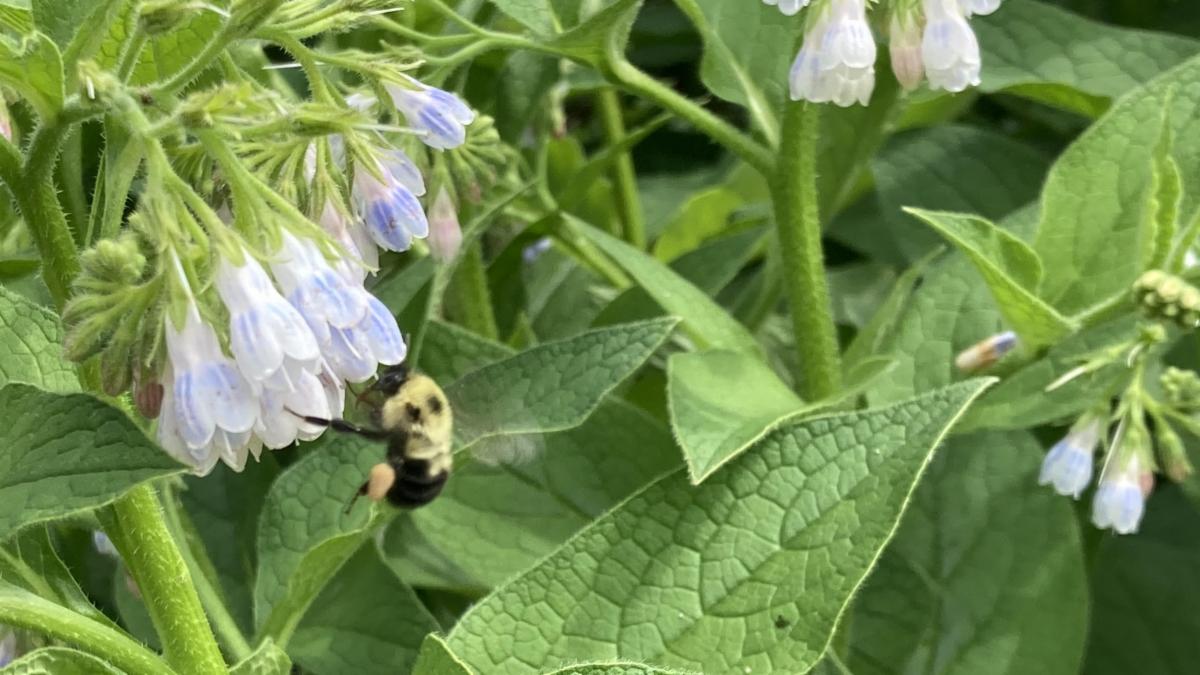
| Help Us Study Bumble Bees in the Southeast Seeing bumble bees visiting flowers is a familiar and welcome sight in gardens, parks, and natural areas. Bumble bees play a crucial role in ecosystems as effective pollinators of both wild and cultivated plants. Their activity supports plant reproduction, contributes to biodiversity, and helps maintain healthy habitats.
The Southeast is home to a wide range of bumble bee species, making it a great place to learn about and study them. Sadly, about a quarter of bumble bee species in North America have seen their numbers drop in recent decades. That’s why we’re working to better understand where these bees are living, what habitats they prefer, and what kinds of flowers they use for food. The information we collect will help support future conservation efforts.
Join the Southeast Bumble Bee Atlas Anyone can help! By attending our training workshop you can participate as community scientist with the Southeast Bumble Bee Atlas. You’ll learn how to catch, photograph, and release bumble bees safely, record habitat information, and submit your findings through our online platform, Bumble Bee Watch. All of this contributes to a clearer picture of where bees are doing well—and where conservation efforts are most needed.
You're Invited to Our Upcoming Workshop If you’re interested in getting involved, join us for a free Southeast Bumble Bee Atlas workshop in Chattanooga, TN! You’ll learn about local bumble bee species, their unique life cycles and behaviors, and the threats they’re facing. We’ll cover everything you need to know to become a volunteer, with time for questions.
After lunch, we’ll head outside to try out the survey methods in real life so everyone can practice using a net and photographing the bumble bees we find.
Learn more at bumblebeeatlas.org/pages/southeast.
What to Bring
- Something to take notes with
- Water, snacks, and your own lunch
- Sturdy shoes and sun protection for the field
- A phone or camera for practice bee photography (if you have one)
Survey equipment like nets and vials will be provided.
Tentative Agenda
- 9:30 – 10:15 AM: Bumble Bee Ecology and Conservation
- 10:30 – 11:15 AM: How to Participate in the Atlas
- 11:30 AM – 12:15 PM: Southeast Bumble Bee Atlas ID
- 12:15 – 1:15 PM: Lunch
- 1:15 – 2:30 PM: Field practice!
Instructors Avery Young, Endangered Species Conservation Biologist, Southeast Bumble Bee Atlas, the Xerces Society Avery coordinates the Southeast Bumble Bee Atlas across several states. She is a naturalist with an interest in many kinds of plants and wildlife and has a background in ecology. Avery loves connecting people with pollinators and is excited to continue expanding the Atlas program in the Southeast.
Partners This event is a collaboration between the Xerces Society for Invertebrate Conservation and Reflection Riding and is supported by Working Lands for Wildlife. |