[[trackingImage]]

The Beginning

History is important. Don’t let anyone tell you otherwise. The history of the Grand Encampment of

Knights Templar of the USA (GEKTUSA) begins in 1816 (eleven years after the beginning of the

Grand Encampment of Massachusetts and Rhode Island, but that’s another story).


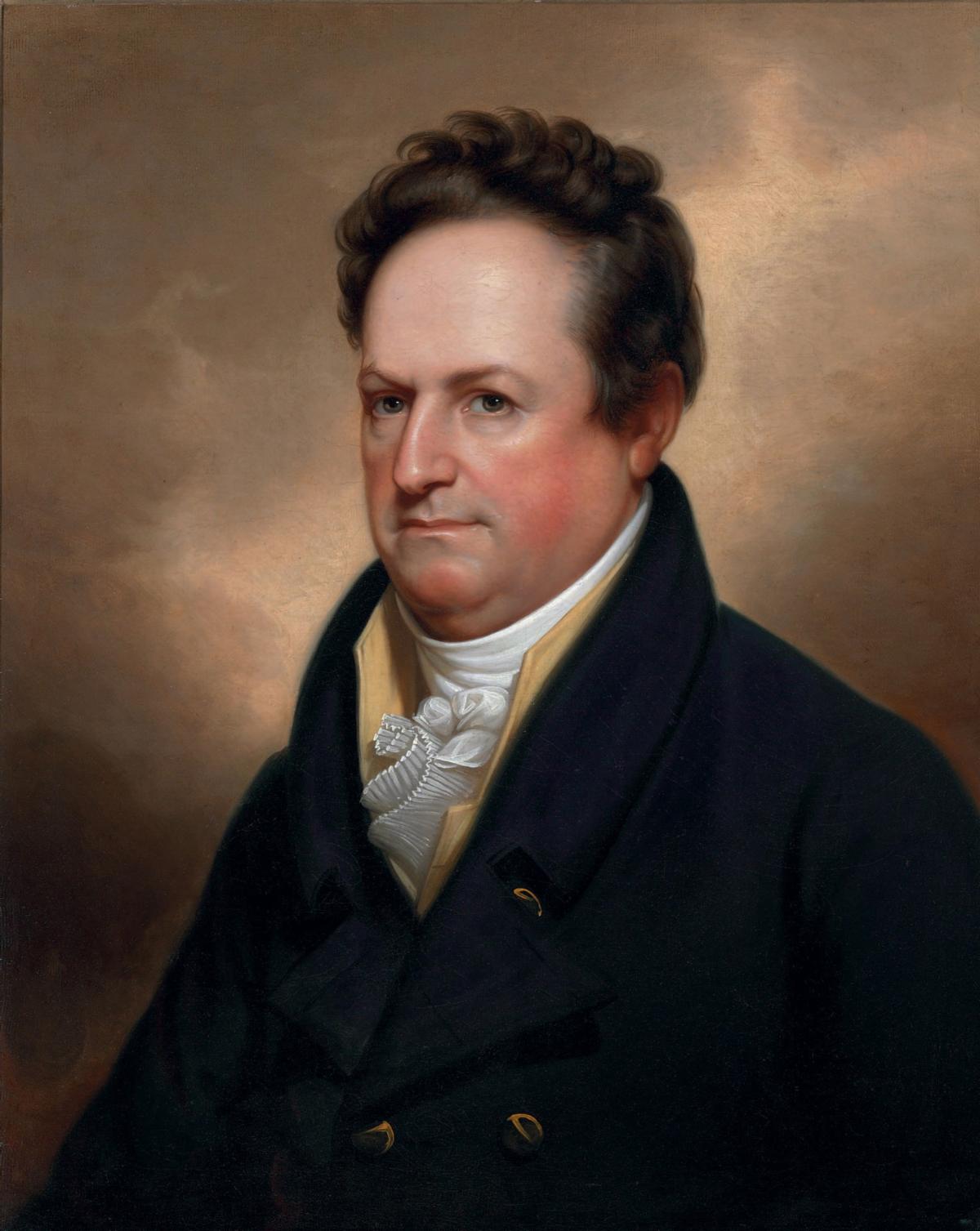
The first head of the GEKTUSA was DeWitt Clinton. His title was Most Eminent General Grand

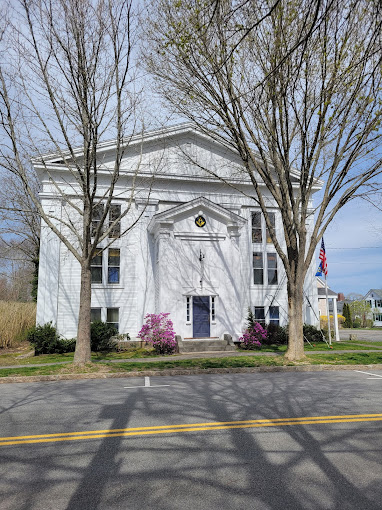
Master. That name should ring a bell if for no other reason than there is a blue lodge (lodge web site) named after him in Sandwich, Massachusetts. But that’s only one of hundreds of places and things named after him. (see a list of places named after DeWitt Clinton)

DeWitt Clinton was born in 1769 in New York State. He attended the College of New Jersey (now

known as Princeton University) before transferring to King’s College (which was renamed Columbia

College, now Columbia University, while he was a student there). He entered politics and served as

a member of the New York State Assembly and the New York State Senate. Then as a United States

senator, as the mayor of New York City (for three terms), and as the sixth governor of New York

State. In that capacity, he was largely responsible for the construction of the Erie Canal.


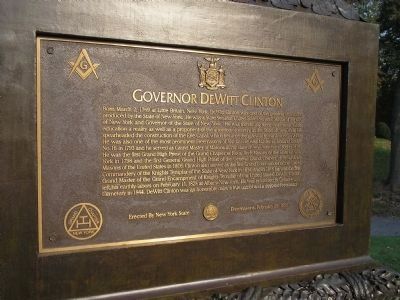
Masonically, he was raised a Master Mason in Holland Lodge #16 (now #8) in New York City and

served as its Master. He served as Grand High Priest of the Grand Chapter of Royal Arch Masons of

New York, Grand Master of the Grand Lodge of New York, Grand Commander of the Grand

Commandery Knights Templar of New York, General Grand High Priest of the General Grand

Chapter Royal Arch Masons of the United States, and was General Grand Master of the Grand

Encampment of Knights Templar of the United States from 1816 to 1828.


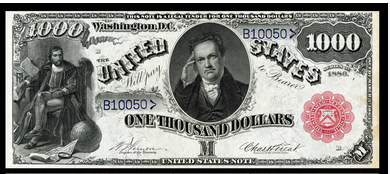
His portrait was on the $1000 bill.


So what does all this have to do with history? George Santayana – Spanish-American philosopher,

essayist, poet, and novelist – is popularly known for authoring the expression in 1905: “Those who

cannot remember the past are condemned to repeat it.” Winston Churchill paraphrased Santayana in

a 1948 speech to the House of Commons, when he said “Those who fail to learn from history are

condemned to repeat it.”


The important history lesson we learn from the life of DeWitt Clinton is that he was part of a small

group of men who ended up being involved in many, many aspects of Freemasonry from the blue

lodge to the commandery. Does that sound familiar? Even today, over 200 years later, we see the

same names appearing in all the branches of the Masonic Tree. What we need to do is recruit,

recruit, recruit. Let’s get Freemasonry and Templary to the place where there are so many involved

members that new names are always appearing. That includes you too. Become active in your

commandery (or other Masonic body) and take a leadership role. I guarantee you will not be turned

away. The Marines are not the only ones looking for “a few good men.”.


Past Grand Masters

Photographed by Bill Coughlin, November 1, 2008