[[trackingImage]]
LinkedIn Share This Page

ConnectCares

ConnectCare MD's Monthly Newsletter

April 2025

ConnectCareMD.com

Whether you’re a patient, caregiver, provider—or all of the above, like Dr. T—Connect with us where you’ll find insights, stories, and resources to support you.

20240526_203748-845x1024.jpg

After a successful 30-year career in primary care, emergency medicine, and hospital-based care in Rochester, NY, I transitioned from the bedside back to the office to continue my passion for helping patients through ConnectCare MD. As your personal physician liaison, I attend doctor appointments with you when family can't, then share an easy to understand report with both you and your family the very next day.

0001-6275102689611249386.png

No Vacancy: When the Emergency Room Becomes a Waiting Room

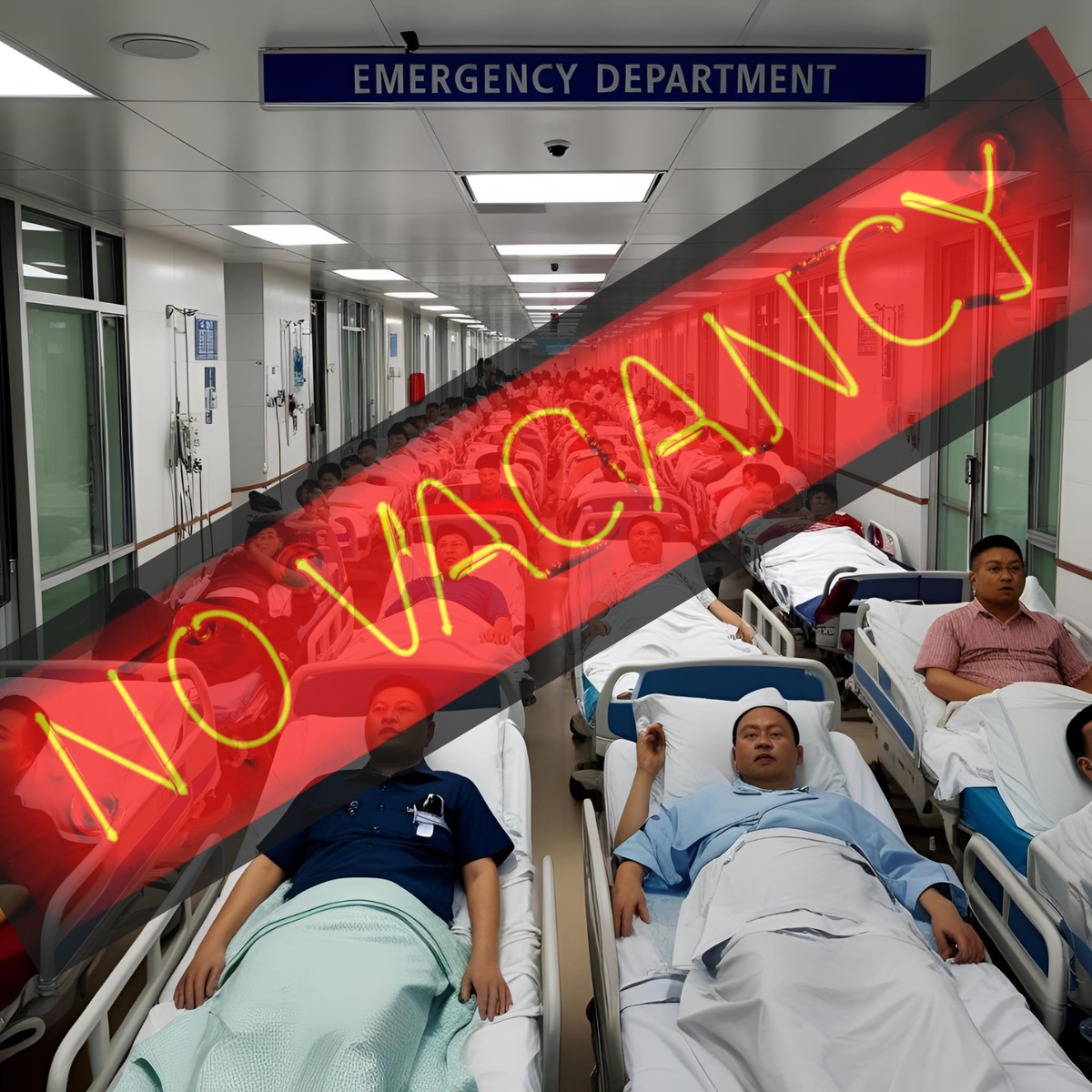
While EDs still provide excellent and timely care for emergent situations, patients with non-emergent concerns often wait hours in crowded waiting rooms for medical evaluations. When patients are unable to return home and hospitalization is indicated, “inpatient” care begins and sometimes even ends right where the healthcare journey began: the emergency room. Patients who wait hours--or even days--before being admitted to the hospital are often referred to as emergency department boarders.

Believe it or not, a hospital is a lot like a hotel. Like hotels, hospitals have a limited number of available rooms. While a NO VACANCY sign glows brightly when there is no room at the inn, EDs never close, even when hospitals are already at capacity. During this time, if more patients “check in” than “check out” of the hospital, room demand exceeds supply, and admitted patients must often wait in the ED—sometimes even in hallways—to receive continued care.

As you might guess, ED boarding is not just inconvenient, but studies show that ED overcrowding is associated with higher costs of care and adverse health outcomes.

So what can you do to help?

A recent study suggests that up to half of all emergency room visits are for non-urgent complaints. One important consideration is to explore alternative health care options for non-urgent care. That’s easy for Dr. T. to say, but how do YOU know if emergency department care is right for you the next time you are not feeling well?

Glad you asked, read on for more information!

picture of someone sick with thermomenter.png

Feeling Sick? Emergency Room, Urgent Care, or Your Doctor—Which One is Right?

Oh no, you just woke up with that scratchy throat and don't feel well. The next thing you know, you have body aches, fever and you feel miserable. What next?

It is no secret to healthcare professionals that successful Emergency Department visits start with appropriate triage. However, triage is not just for the ED. Triage starts with you before you even leave your home.

Some symptoms that are best treated in the emergency room include:

  • Shortness of breath
  • Chest pain or passing out
  • Inability to eat, drink, persistent nausea, vomiting, or diarrhea
  • Severe lightheadedness or weakness that prevents you from taking care of yourself
  • Confusion
  • Persistent fever, especially if you are on medications that alter your immune system

Remember, never hesitate to call 911 for immediate care and transportation to your nearest ED

Whew, no worries there, but what now? You still don't feel well and need help. Is your next step urgent care or your doctor? Believe it or not, the decision may be easier than you think.

  • Because most doctors and clinics have banker's hours, illness that strikes after 5pm, on weekends or holidays could make Urgent Care or Minute Clinics your only option if you want and need non-emergent care now.
  • But even the best ED doctors don't make important decisions alone, often consulting specialist colleagues for help. It's OK to call YOUR consultant, your own doctor. Even after hours, they can offer support for your triage decision.

While urgent care is convenient, it lacks the continuity of a doctor who knows you and your history best. Your doctor might suggest treating symptoms now and scheduling a telehealth or in-person visit tomorrow—a modern take on the classic "Take two aspirin and call me in the morning."

From Chaos to Clarity: Connecting Your Care After the Emergency Room

Whew…you made it through your emergency room visit, but now what? Whether you are going home from the ED or will be discharged after further care in the hospital, what comes next can be equally overwhelming.

But what happens at “discharge”? It is important to know that even though you are ok to go to the next level of care (home, rehab etc.) it doesn’t necessarily mean that you are cured or that you have fully recovered. When it is time to go, make sure you understand your discharge instructions so you will be empowered to embark on the next steps in your care.

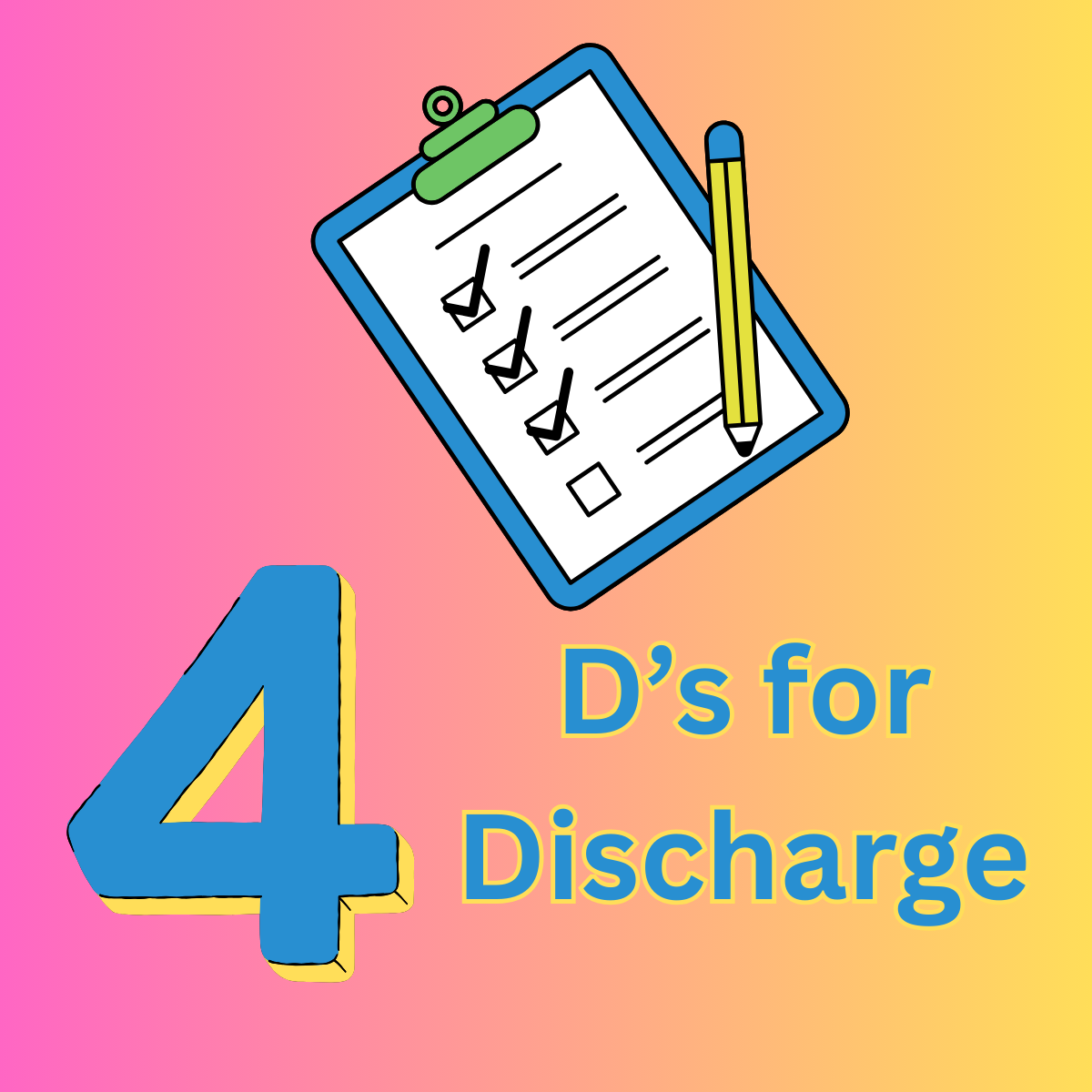
Check out Dr. T’s FOUR D’s for Discharge:

  • Diagnosis—what is my diagnosis and what does my recovery look like?
  •  Drugs—Are there any changes to my medications? What side effects can I anticipate?
  • Doctor—When do I follow-up with my own doctor?
  • Directions—What else do I need to know to so I can avoid complications at home?

Follow the tips above to avoid readmission and returning to the place where it all began. Need help? Don’t hesitate to reach out to Dr. T at ConnectCare MD where I can provide clarity, continuity, and real-time support for you and your family—even when they can’t be present during your discharge.

Facebook  LinkedIn

"Connect with Us!"

For more information and to schedule a free consult call

"Dr. T" at (585)727-0235

www.ConnectCareMD.com