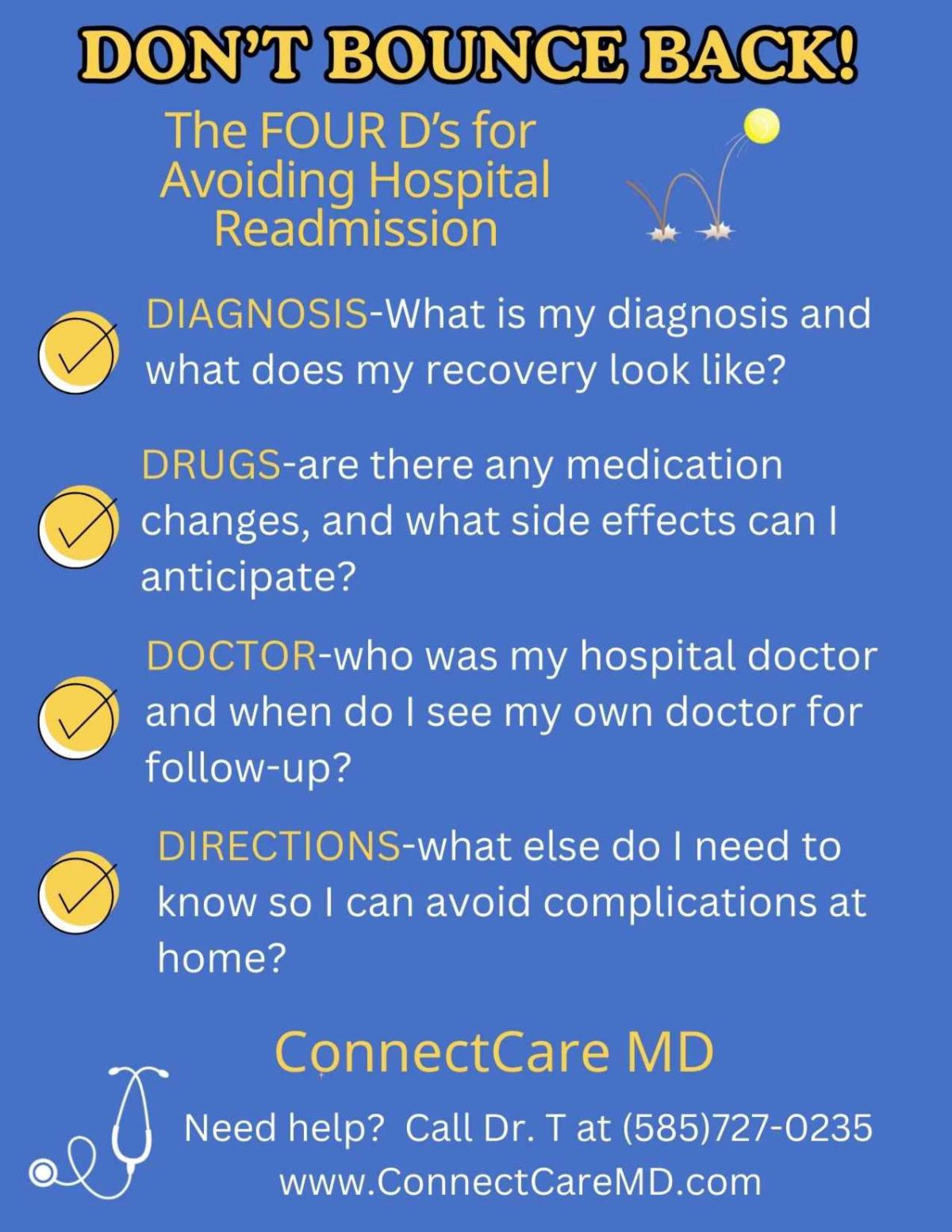
When Hospital Communication Breaks Down—and What Changed When I Stepped In Recently, I began working with a family when their loved one was admitted to the hospital--for the second time. During the first admission, communication was minimal, inconsistent, and difficult to understand. Key details were fragmented, there was no clear point person, and the patient was discharged—only to be readmitted shortly afterward.
That’s when I became involved.
I learned that a serious adverse reaction to a commonly used medication had occurred but wasn’t clearly captured in the record, creating the potential for it to happen again. A direct conversation with the admitting provider helped ensure this risk was addressed moving forward. From there, I was able to connect directly with the physician overseeing ongoing care, obtain clear and timely daily updates. This complicated information was translated into plain language for the family so they understood what was happening and what decisions were being considered. As discharge planning began, advocating for care continued as I encouraged staff to pause before final decisions were made. We explored safe alternatives—giving the patient and family more options than the default discharge plan alone.
This is exactly why I’ve expanded ConnectCare MD to include Inpatient Communication Liaison services—support during one of the most complex and high-stakes moments in a healthcare journey. |