[[trackingImage]]
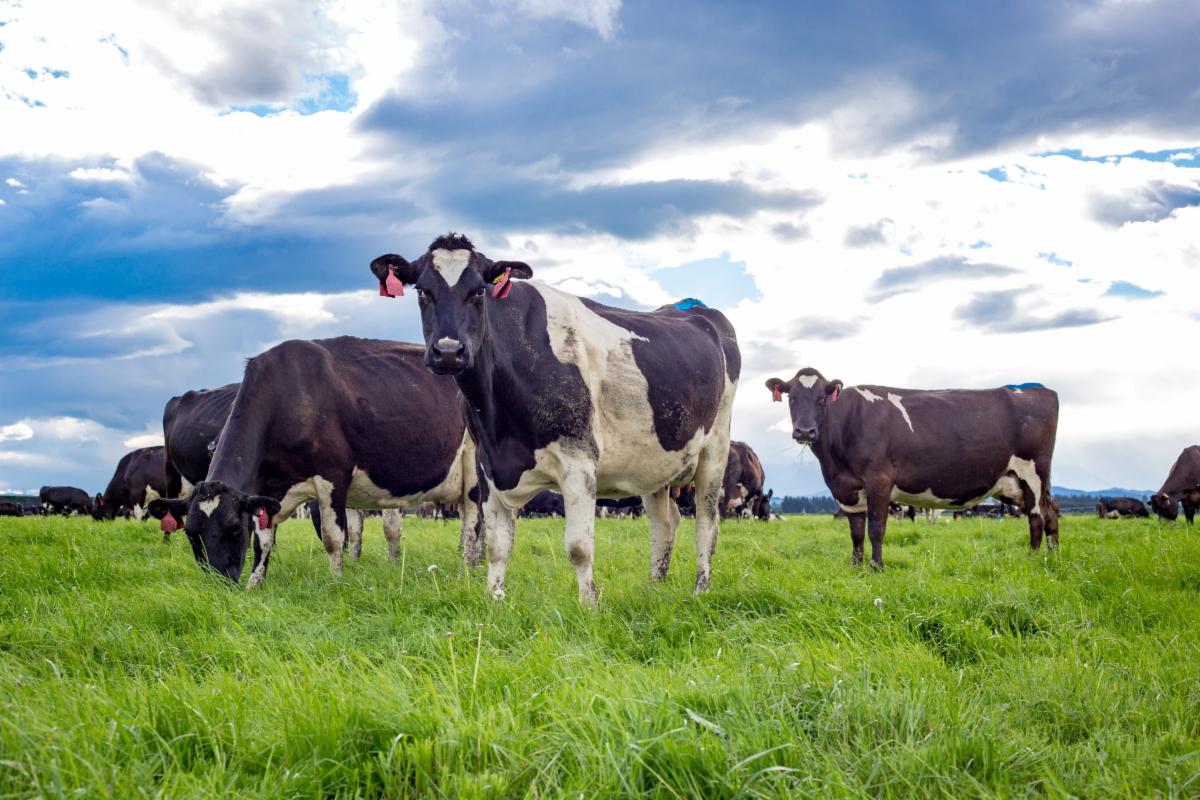
NZ dairy cows

RSG New Zealand and Trans Ova to Bring World-Class IVF Technology to New Zealand Cattle Producers

RSG New Zealand has announced a strategic affiliation with Trans Ova Genetics, one of the global leaders in advanced reproductive technologies, to establish a cutting-edge in vitro fertilization (IVF) lab for cattle in Hamilton, New Zealand. Operating as RSG New Zealand, a Trans Ova affiliate location, this collaboration promises to deliver world-class embryo production to New Zealand’s cattle industry.


Trans Ova will provide proprietary protocols and technical oversight to ensure the RSG New Zealand lab aligns with Trans Ova’s high standards for IVP (in vitro-produced) embryo outcomes. RSG team members have undergone intensive training in the United States, followed by onsite support in New Zealand to ensure a seamless setup and operation of the facility.


“We are thrilled to partner with RSG New Zealand to bring Trans Ova’s proven IVF technologies to a region known for its progressive cattle industry,” said Katie Jauert Jess, Chief Operating Officer at Trans Ova Genetics. 

trans ova

The facility is now officially designated as a Trans Ova affiliate location and will operate independently under the RSG New Zealand brand, while benefiting from direct access to Trans Ova’s world-renowned technologies and support systems.


With local control and global expertise, the RSG New Zealand–Trans Ova relationship is poised to redefine reproductive success in the region.

RSG New Zealand
NZ cattle grazing

The new lab will bring numerous benefits to New Zealand’s cattle producers, including:

  • Consistent, high-quality embryo production modeled on Trans Ova’s proven success in North America.
  • Access to Trans Ova’s exclusive technologies, offering advanced science and performance to local herds.
  • Local embryo services such as ovum pick-up, fertilization, and embryo transfer, reducing the need for international travel or delays.
  • Reliable support and oversight, with ongoing consulting and data benchmarking to maintain quality standards.
  • Expansion of genetic potential, allowing producers to improve herd quality and reproductive efficiency more rapidly.