| Virtual Firefly Symposium: Science, Conservation, and Education
October 28 - 30, 2025 9:00 AM – 12:00 PM PT / 10:00 AM – 1:00 PM MT / 11:00 AM – 2:00 PM CT / 12:00 PM – 3:00 PM ET Zoom Webinar |
| Join the Xerces Society for Invertebrate Conservation for a free, three-day virtual symposium on firefly research and conservation in the United States and Canada. Each day of the symposium will consist of a three-hour webinar with about six presentations and an optional Zoom Meeting for networking and conversation. Daily themes for presentations include firefly biology and community science; conservation and management; and firefly tourism and educational programming.
This event is intended for anyone interested in fireflies and their conservation in the US and Canada, including conservation practitioners, agency biologists, environmental educators, community scientists, academic researchers, and firefly enthusiasts. |
The webinars from this symposium will be recorded and available on the Xerces Society YouTube channel. Closed Captioning will be available during these webinars. To request a reasonable accommodation or for inquiries about accessibility, please contact outreach@xerces.org. |
|
| Symposium Schedule
Day 1 Tuesday, 28 October 2025, Firefly Conservation and Management |
|
| Time (EDT) 12:00 PM EDT 12:15 PM EDT
12:35 PM EDT
12:55 PM EDT 1:00 PM EDT
1:20 PM EDT
1:40 PM EDT 1:50 PM EDT
2:10 PM EDT
2:30 PM EDT 2:40 PM EDT 3:00 PM EDT |
|
| Presentation/Activity Welcome and Overview Priorities for firefly conservation in the US and Canada Candace Fallon Senior Endangered Species Conservation Biologist, The Xerces Society for Invertebrate Conservation The secret and mysterious lives of firefly larvae Larry Buschman Emeritus Professor of Entomology, Kansas State University Break (5 minutes) Captive rearing and conservation of Photuris fireflies at Butterfly Pavilion, Colorado Francisco García Bulle Bueno Director of Research and Conservation, Butterfly Pavilion Dark skies and porch lights: Will sustainable lighting save fireflies? Avalon Owens Research Fellow at The Rowland Institute at Harvard University Break (10 minutes) Assessment and novel use of hierarchical distance sampling to estimate firefly abundance Rachel Laura School of Natural Resources and the Environment, University of Arizona, Tucson Signs of hope: outcomes and growth of the Certified Firefly Habitat Program Ben Pfeiffer Firefly Conservation and Research, firefly.org Wrap-up Firefly Social Hour (optional Zoom Meeting) End of Social Hour Zoom Meeting |
|
| Day 2 Wednesday, 29 October 2025, Firefly Research and Community Science |
|
| Time (EDT) 12:00 PM EDT 12:10 PM EDT
12:30 PM EDT
12:50 PM EDT 1:00 PM EDT
1:20 PM EDT
1:40 PM EDT 1:50 PM EDT
2:10 PM EDT
2:30 PM EDT 2:35 PM EDT 3:00 PM EDT |
|
| Presentation/Activity Welcome and Overview Hot to Glow: Fireflies in the Western U.S. Christy Bills Invertebrate Collections Manager, Utah Museum of Natural History Tracking Twinkles: Environmental Drivers of Firefly Occurrence in Montreal’s Greenspaces Ana Lívia Oliveira PhD student, Concordia University, Montreal, Canada Break (10 minutes) Three years of the Firefly Atlas: stories of fireflyers filling gaps in the map Richard Joyce Endangered Species Conservation Biologist, Xerces Society for Invertebrate Conservation Using trail cameras to discover and monitor firefly populations Cheryl Mollohan Certified Wildlife Biologist, Independent Researcher Break (10 minutes) Promises and pitfalls in firefly DNA barcoding Sarah Lower Department of Biology, Bucknell University Utilizing community science to increase sample size: how Tennessee State Parks helped connect researchers to volunteers in an effort to learn more about Photuris walldoxeyi larvae Jeff Hill Area Interpretive Ranger, Tennessee State Parks Wrap-up Firefly Social Hour (optional Zoom Meeting) End of Social Hour Zoom Meeting |
|
| Day 3 Thursday, 30 October 2025, Firefly Education and Tourism |
|
| Time (EDT) 12:00 PM EDT 12:10 PM EDT
12:30 PM EDT
12:50 PM EDT 1:00 PM EDT
1:20 PM EDT
1:40 PM EDT 1:50 PM EDT
2:10 PM EDT
2:30 PM EDT 2:35 PM EDT 3:00 PM EDT |
|
| Presentation/Activity Welcome and Overview We’re Go for Glow: How Community Science Sparked Conservation and Outreach in Space City Mary Dobberstine and Alyssa Goforth Armand Bayou Nature Center, Texas Master Naturalists -- Galveston Bay Area Chapter Fireflies and Mountain Bikes: Launching the Coler Firefly Sanctuary in NW Arkansas Pam Morgan Northwest Arkansas Master Naturalist Break (10 minutes) From Classrooms to Cabins: Engaging Communities and Tourists in Firefly Conservation Becky Griffin Pollinator Health Associate, University of Georgia Extension Blue Spring State Park Firefly Nights: A Glowing Approach to Entomotourism Ellie Shultz and Connor Wagner Environmental Educator | Park Services Specialist, Blue Spring State Park Break (10 minutes) Glow with the Flow: Managing Public Firefly Viewing Mike Medrano and Tony Palmer Independent Researchers Pennsylvania Firefly Tourism: First, Leave No Trace Ken and Peggy Butler Co-founders of the Pennsylvania Firefly Festival Wrap-up Firefly Social Hour (optional Zoom Meeting) End of Social Hour Zoom Meeting |
|
| Moderators
Candace Fallon, Senior Endangered Species Conservation Biologist, Firefly Lead, Xerces Society Candace is a senior conservation biologist with the Xerces Society, where she works with researchers, land managers, and community scientists to study and protect at-risk invertebrates and their habitats. She has extensive experience with species inventories and monitoring, providing technical guidance to land managers, developing and managing community science projects, and conducting outreach. Much of her work has focused on conserving imperiled butterflies, beetles, mollusks, and aquatic macroinvertebrates on federal lands in the western U.S. As the firefly lead, she also manages Xerces' firefly conservation program and serves as co-chair of the North American section of the IUCN SSC Firefly Specialist Group.
Richard Joyce, Endangered Species Conservation Biologist, Firefly Atlas, Xerces Society Richard joined Xerces as an endangered species conservation biologist in 2022. He coordinates many aspects of the Firefly Atlas project, collaborates with researchers, land managers, and community scientists, and compiles and creates tools and resources that drive firefly conservation efforts. Before joining Xerces, Richard worked at conservation non-profits and agencies in Maine and South Carolina, including The Nature Conservancy, Maine Natural Areas Program, and Congaree National Park. He is based in Amherst, Massachusetts, where he enjoys birding, botanizing, and photographing insects in local green spaces.
Acknowledgements
The Firefly Atlas and this symposium are supported by the BAND Foundation. |
| About the Xerces Society
The Xerces Society for Invertebrate Conservation is a donor-supported nonprofit organization that protects our world through the conservation of invertebrates and their habitats. Xerces works throughout North America to conserve pollinators and other invertebrates, protect endangered species, and reduce pesticide use and impacts. Our staff use applied research, policy advocacy, public education, and on-the-ground habitat improvement to advance meaningful, long-term conservation. Xerces is the largest invertebrate conservation organization in the world. For over 50 years, we have been champions of Earth’s most biodiverse and overlooked animals, protecting the life that sustains us. Learn more at xerces.org.
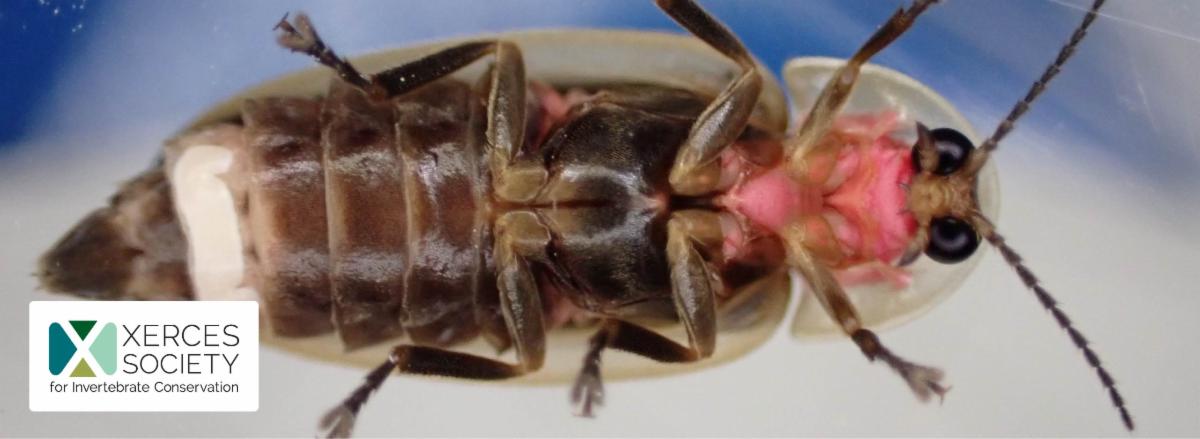
Photo Credit: Banner Photo: Richard Joyce / Xerces Society |
|
|
|
|
|