Agents, We Want Your Referrals for Lower Alabama |
|
| Why Atlanta and Southeastern Investors Should Be Looking South to Mobile, Alabama
Short-term, medium-term, and long-term rental opportunities Cap rates | DSCR financing Prepared for HomeSmart Coastal Partners | November 2026
For years, investors across the Southeast have focused on Atlanta, Nashville, Charlotte, Tampa and Jacksonville. Yet as acquisition, insurance and financing costs pressure yields, investors should ask a different question:
Where can capital work most efficiently while benefiting from a diversified economy?
The most obvious answer is Mobile, Alabama. Mobile deserves a serious look. Mobile offers potential across three rental approaches: short-term visitor stays, furnished medium-term assignments and traditional long-term leases. Each has distinct costs, regulations and risks. The right choice depends on the specific property—not a citywide promise of returns.
1 | A diversified economy supports housing demand |
|
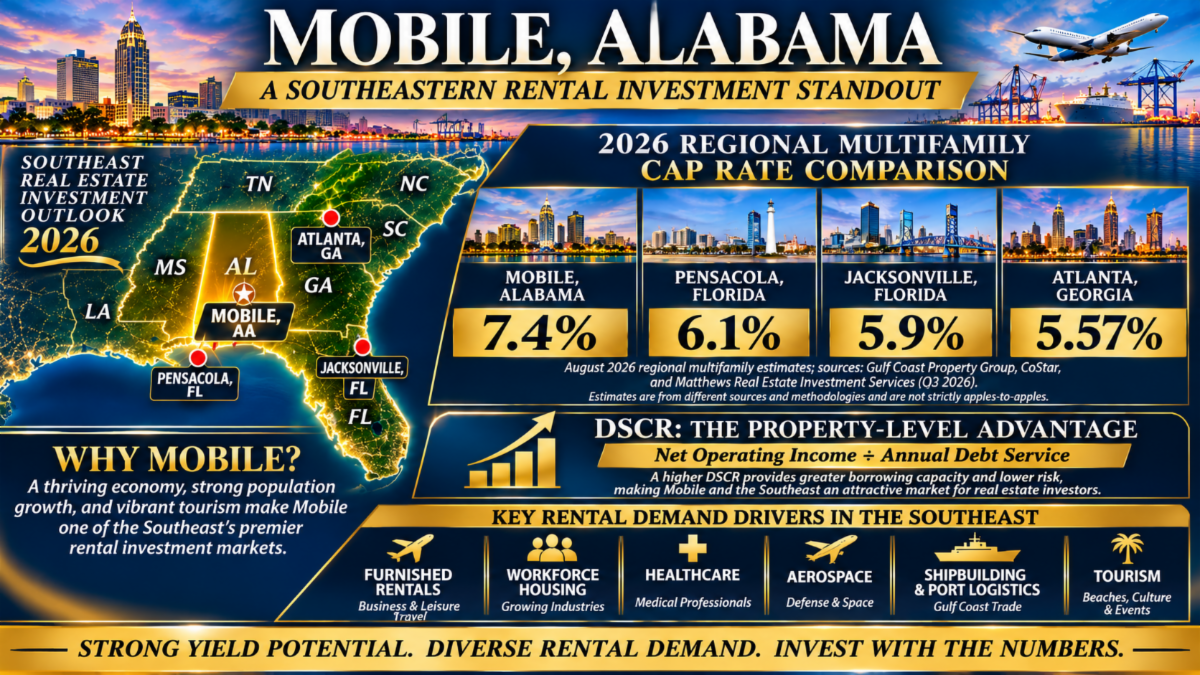
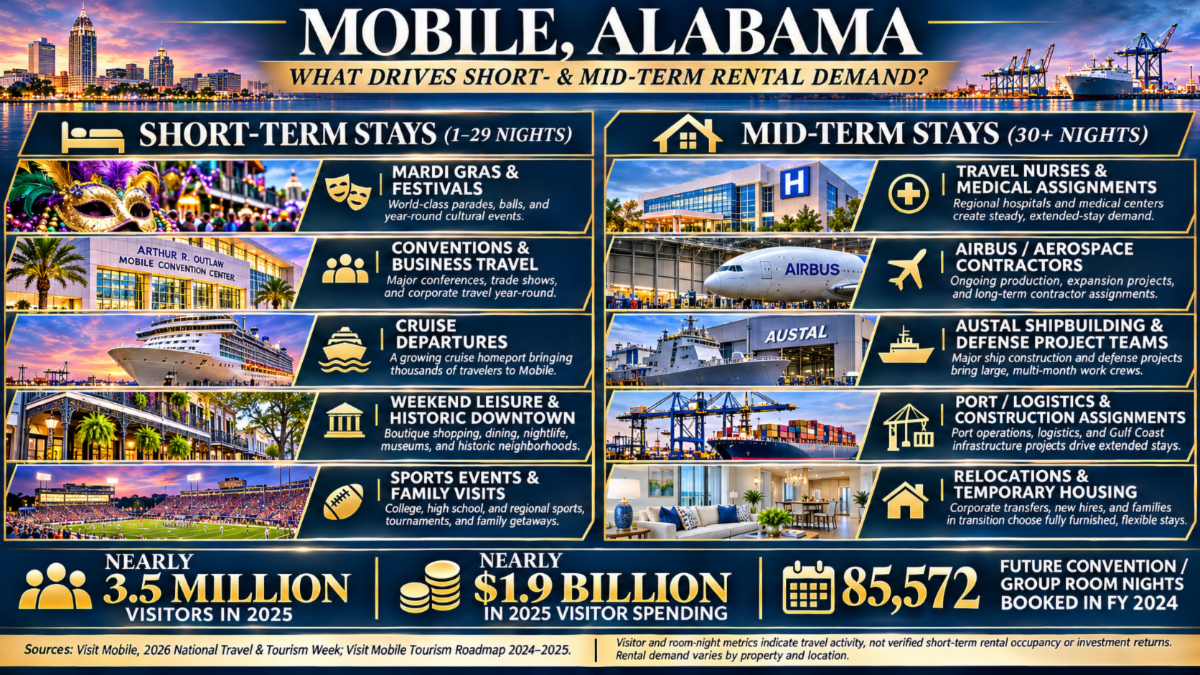
| Mobile’s economy includes aerospace and aviation, shipbuilding and defense, port logistics, advanced manufacturing, healthcare and tourism. Airbus and its supplier network can generate permanent and temporary housing needs. Austal USA and defense-related projects can bring skilled tradespeople, engineers and project teams. Port operations and distribution support workforce housing; healthcare creates both permanent jobs and temporary professional assignments. Downtown attractions, Mardi Gras, conventions, cruise activity and cultural events add another source of visitor demand. These sectors do not guarantee rental occupancy, but they give investors multiple demand drivers to investigate.
2 | Why Atlanta investors should compare property-level cap rates |
|
Location Still Matters Not every Mobile property is equally suitable for every investment strategy. For short-term and furnished rentals, We would pay particular attention to properties with convenient access to Downtown, Midtown, entertainment, medical facilities, employment centers and transportation corridors. For conventional rentals, the analysis becomes somewhat different. There I would emphasize: Purchase price + achievable rent + neighborhood stability + taxes + insurance + maintenance + tenant demand. The objective isn't simply buying the least expensive property. It's identifying the property offering the strongest risk-adjusted return. The Strategy I Would Favor in Mobile I would not automatically chase the property with the highest projected Airbnb revenue. Instead, I would look for what I call a Multi-Exit Rental Property. Ideally, the property could potentially function as: Short-Term Rental → Mid-Term Furnished Rental → Traditional Long-Term Rental That gives the investor several possible income strategies. If tourism demand is exceptionally strong, operate short-term. If corporate or traveling-professional demand becomes more attractive, consider furnished monthly rentals. If the investor wants simplicity and predictability, transition to a traditional lease. That flexibility can reduce dependence on a single business model.
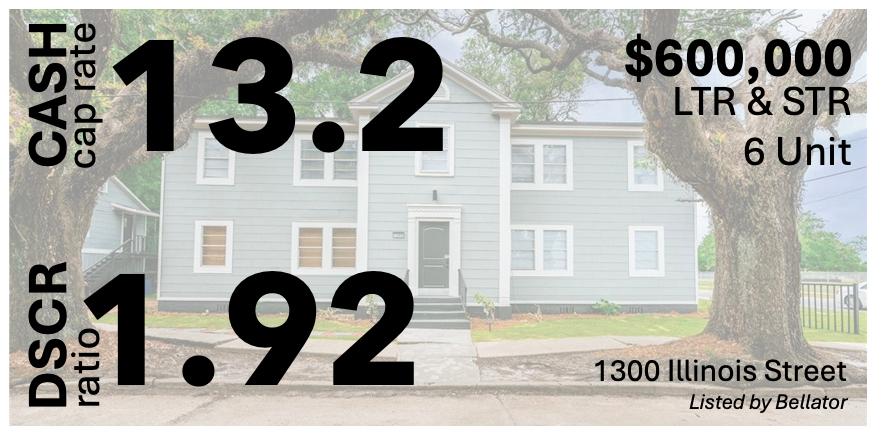
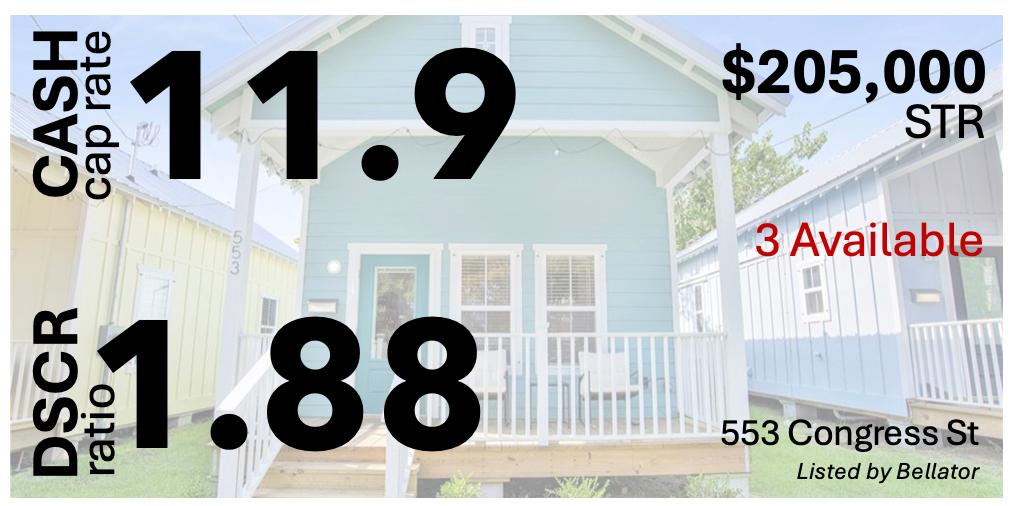
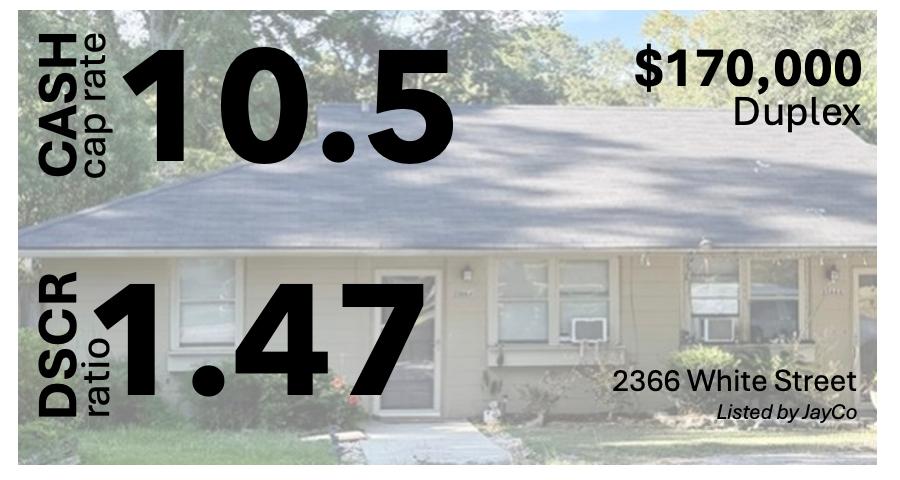
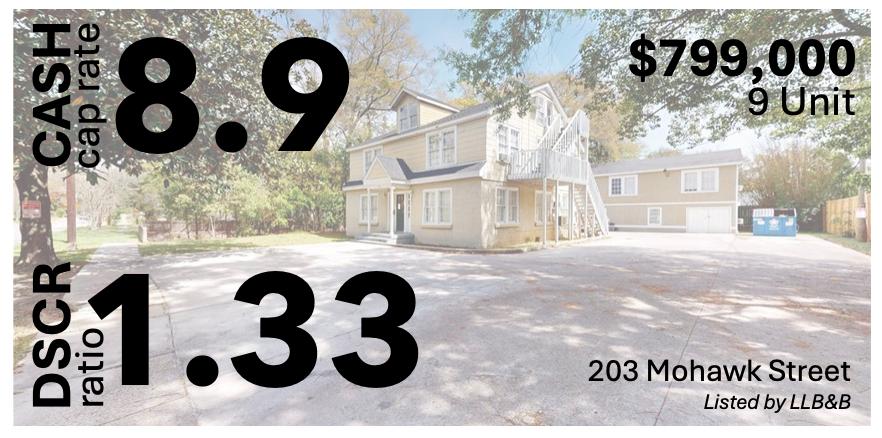
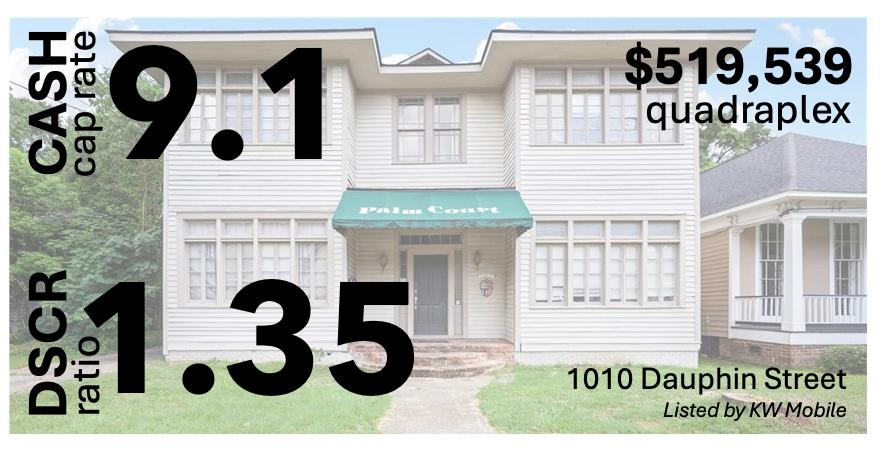
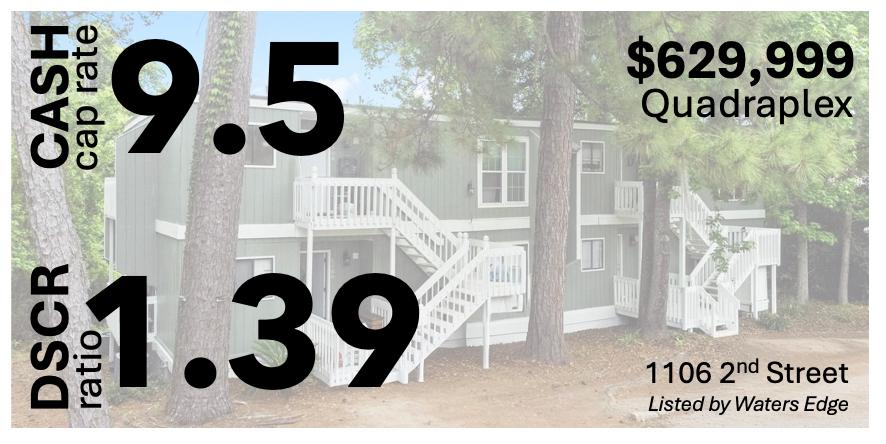
Some Example Properties: Click On Property for More Info |
|
| 3 | Short-term rentals: tourism, events and business travel "Mobile’s Mardi Gras calendar, downtown entertainment, historic districts, conventions, business travel, cruise departures and regional sporting or family events can generate overnight demand. Downtown proximity, parking, walkability, guest capacity and property quality may matter greatly to performance. Short-term rental projections must account for seasonality, platform fees, cleaning, utilities, furnishing, vacancy and management. Investors should verify zoning, licensing, lodging taxes, HOA restrictions and insurance coverage before purchasing.
|
|
| 4 | Medium-term rentals: the furnished housing opportunity Medium-term stays—often around 30 days to several months—can serve travel nurses, medical specialists, aerospace contractors, shipbuilding crews, port project personnel and relocating households. These guests may value a kitchen, workspace, laundry and flexible terms more than traditional hotel amenities. Longer stays may reduce turnover compared with nightly rentals, but furnishing costs, utilities, tenant acquisition, vacancy and lease compliance still affect profitability. Location near hospitals, major employers and transport corridors can be more important than tourist appeal.
5 | Long-term rentals: the portfolio foundation Permanent employees and households support demand for conventional residential leases. Single-family homes, duplexes and small multifamily properties may offer a comparatively straightforward way to pursue recurring rental income, principal reduction and potential appreciation. Investors should use conservative vacancy and expense assumptions and should not depend on appreciation to make a weak deal viable.
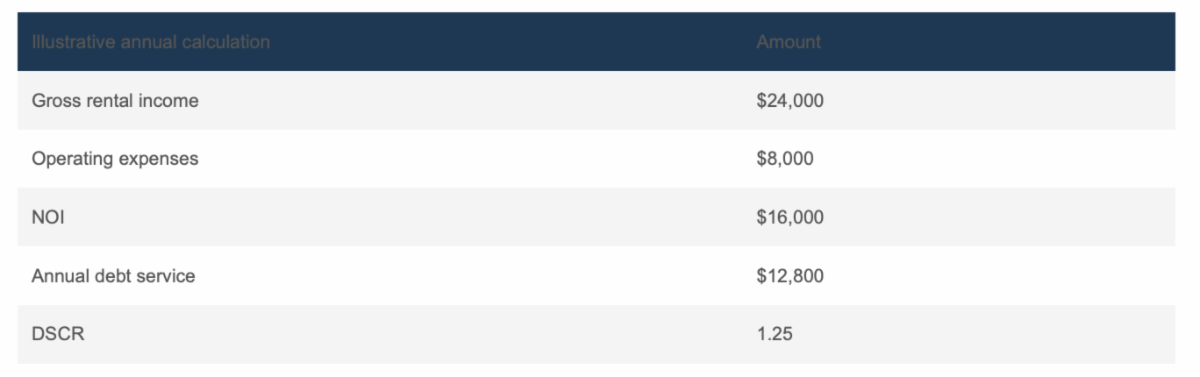
6 | DSCR financing: let the property’s income tell the story A debt-service coverage ratio (DSCR) compares property income with debt obligations. In conventional commercial analysis, DSCR = NOI ÷ annual debt service. Residential investor loan programs often use a different qualifying-rent-to-PITIA method (principal, interest, taxes, insurance and association dues). Always ask the lender which definition applies. We have DSCR loan in Mobile for little as 20% for properties with a ratio higher than 1.25 FOR MORE INFO on DSCR Click Here
|
| Here, NOI covers annual debt service 1.25 times. A DSCR above 1.0 suggests operating income exceeds scheduled debt service under this method; it does not establish loan eligibility. Lender terms, reserves, credit, down payment, property type and rent documentation vary.
Mobile’s potential advantage is not a guaranteed higher marketwide DSCR. It is the possibility that an individual property’s rent-to-price relationship supports favorable coverage after realistic expenses and financing costs.
7 | Could Atlanta capital go further in Mobile? As a simple illustration, $400,000 could acquire one $400,000 property or two $200,000 properties before transaction costs. Two properties may diversify tenant exposure or allow different lease strategies, but also double certain maintenance and management obligations. The objective is risk-adjusted return—not merely more doors.
Real-world example in a Video where I discuss a recent Atlanta-to-Mobile transaction using DSCR and 1031 for almost tripling cash flow with nothing out of pocket! Click on It Here: |
|
| 8 | Due diligence before buying Compare purchase price, achievable rent, vacancy, taxes, insurance, flood and wind exposure, repairs, capital expenditures, management, financing, local restrictions and exit options. For short-term rentals, examine occupancy and average daily rate through the full year. For medium-term stays, verify furnished comparables and assignment-driven demand. For long-term rentals, study neighborhood leasing trends and tenant turnover.
The bottom line Atlanta and other Southeastern cities remain major investment markets. But Mobile’s mix of industry, healthcare, port activity and tourism makes it a worthwhile candidate for residential portfolio diversification. The strongest investment argument is not that Mobile always wins—it is that the right Mobile property may offer a compelling combination of acquisition cost, rent, cap rate and DSCR. |
|
This article is for educational and informational purposes only and is not financial, tax or lending advice. HELOC and DSCR loan requirements, rates, down-payment requirements and underwriting guidelines vary by lender and borrower. Short-term rentals may also be subject to zoning, licensing, lodging-tax, HOA and other restrictions. Consult qualified lending, tax, insurance and legal professionals before making an investment decision. |
|
|
|
|