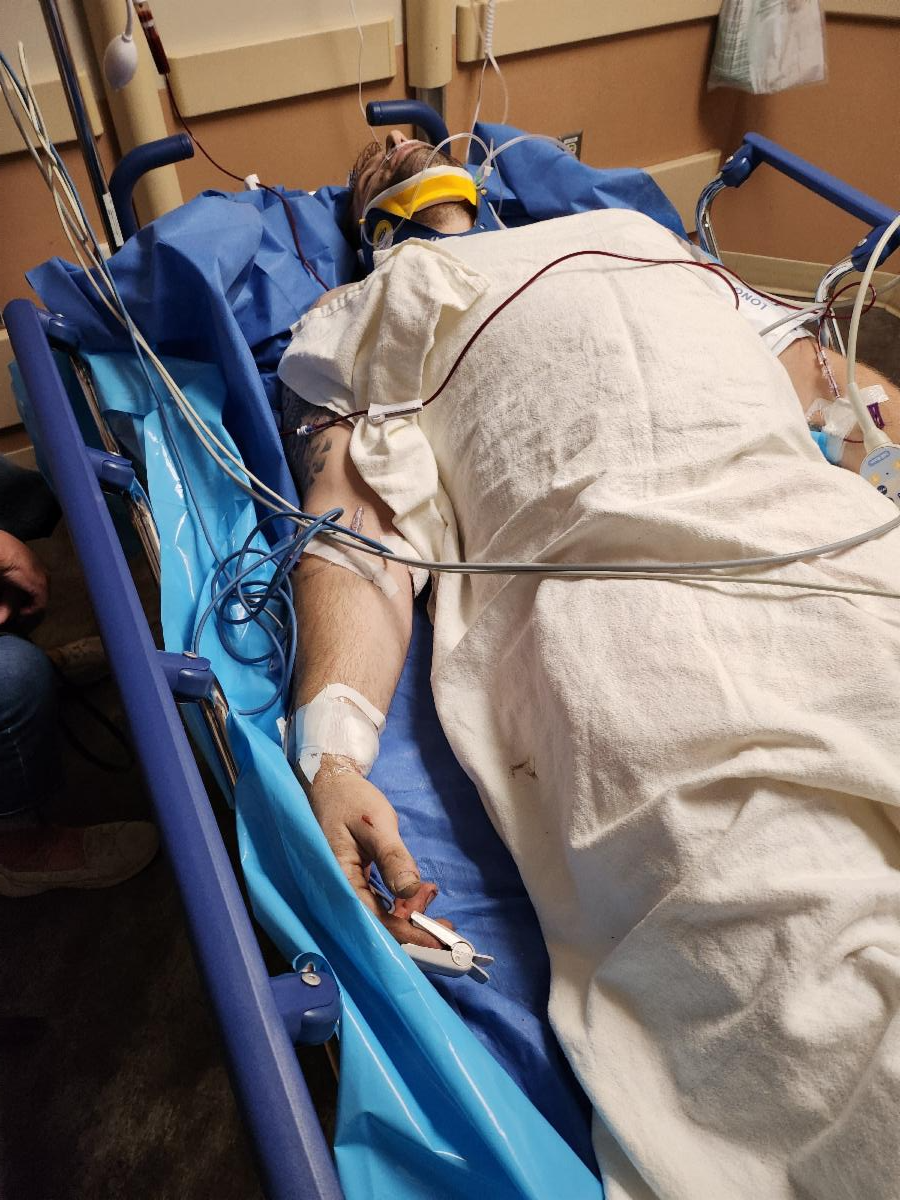
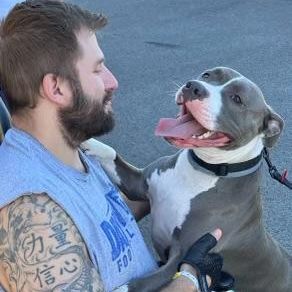
| Two years ago, Matt Brown, P.E., a project engineer in the Columbus Construction Services group at CTL Engineering, was doing what he had done hundreds of times before. He was in the field, supporting a roadway project, checking conditions, and helping crews move safely through a major traffic shift.
It was a Sunday evening in May. By the end of the night, everything would change.
Matt was working as an ODOT consultant on the reconfiguration of the interchange ramps between I-270 and US-23 on the south side of Columbus. The project was entering a new phase that required ramp closures and traffic changes so crews could rebuild major ramps and bridge structures. Because of the complexity, work was scheduled for a Sunday night, and everyone met ahead of time to review traffic control, detours, signage, and safety expectations.
Matt was there to help make sure things went smoothly. He was checking that traffic standards were being followed, supporting field staff, and marking pavement areas that needed repair. He was working from the median, not in live traffic, and was protected by a line of orange barrels along the inside shoulder.
It was around 9:00 PM. The weather was clear. There was still daylight.
“I still don’t know how the driver didn’t see me.”
Moments later, Matt was struck by an SUV traveling at highway speed. Matt remembers very little about the impact itself. At first, he thought he had passed out right away. Later, after watching body camera footage from responding officers, he learned he had actually been awake and answering questions.
“I was coherent. I just don’t remember it.”
The injuries were severe and life threatening. Matt suffered serious trauma to his spine, pelvis, leg, ankle, and knee, along with internal injuries and a concussion. He underwent multiple surgeries and faced serious complications during recovery, including a dangerous infection that required emergency surgery.
But for Matt, the hardest part was not just the physical pain.
“Being in the hospital was brutal,” he says. “I had to rely on people for almost everything. I felt helpless, ashamed, and like I was letting everyone down.” Seeing his mother cry in the hospital is something he says he will never forget.
After being discharged, Matt moved in with his parents so he could focus fully on getting better. Recovery became his full time job. He relearned how to walk. He trained in a pool, worked out at home, and pushed himself every day. At first, the progress came quickly. Then it slowed. “When I went back to work, recovery was still happening,” Matt explains. “Life doesn’t stop just because you’re healing.” Matt returned to work just over three months after the accident. He continues physical therapy and manages ongoing pain, but he is grateful to be here.
“Honestly, I shouldn’t be alive. That puts everything in perspective.”
The accident did not make Matt afraid to return to the field. He went back to the same project where it happened and continues working today. What changed was how he approaches everything. He is more intentional. More aware. Safety is no longer just part of the job. It is personal.
For weeks after the accident, Matt did not tell many people what had happened. When he finally did, the support surprised him. Friends showed up. Coworkers checked in. Contractors visited. Leaders at CTL reached out. “That support is one of the reasons I came back and why I want to be better than I was before.”
Today, Matt takes work zone safety seriously, both on and off the job. He plans routes carefully, follows posted speeds, and speaks up when something does not look right. “In the real world, mistakes don’t come with grades,” he says. “They come with consequences.”
His message to drivers is simple. Slow down. Pay attention. Behind every cone is a person who wants to make it home. When asked what he is most grateful for today, Matt does not hesitate. “The people,” he says. “Every single one of them.”
Matt Brown’s story is not just about recovery. It is about perspective, accountability, and the responsibility we all share on the road.
Work zone safety is not abstract. It is personal. |