You don't want to miss this.
[[trackingImage]]
 

Virtual Firefly Symposium 2026: Science, Conservation, and Education

October 27 – 29, 2026

9:00 AM – 12:00 PM PT / 10:00 AM – 1:00 PM MT / 11:00 AM – 2:00 PM CT / 12:00 PM – 3:00 PM ET

Zoom Webinar

Join the Xerces Society for Invertebrate Conservation for a free, three-day virtual symposium on fireflies in the United States and Canada. Each day of the symposium will feature 5-6 webinar presentations. Presentation topics include firefly biology, community science, conservation and management, firefly tourism, and educational programming.


In addition to the daily webinar presentation sessions, a "Fireflyer Meet & Greet" Zoom meeting will take place on Day 1 of the symposium and a "Firefly Chats" Zoom meeting with breakout rooms will take place on Day 3 for discussion and networking.


This event is intended for anyone interested in fireflies and their conservation in the US and Canada, including conservation practitioners, agency biologists, environmental educators, community scientists, academic researchers, and firefly enthusiasts.


Registration links for the "Fireflyer Meet & Greet" and "Firefly Chats" Zoom meetings will be included in the email confirming successful symposium registration.

The webinars from this symposium will be recorded for training and educational purposes and will be made available to watch on the Xerces Society YouTube channel. Closed Captioning will be available during these webinars.


Symposium Schedule

Day 1: Taxonomy, conservation issues, and species surveys

Tuesday, 27 October 2026:

Time

(Eastern Daylight)

12:00 PM EDT

12:10 PM EDT


12:35 PM EDT


1:00 PM EDT


1:25 PM EDT

1:30 PM EDT


1:55 PM EDT


2:20 PM EDT

2:20 PM EDT

3:00 PM EDT


Activity


Welcome and Overview

Lost fireflies of the US and Canada

Candace Fallon

Xerces Society for Invertebrate Conservation

Chasing ghosts and lost flames: identifying Phausis species and Pyractomena similis

Alana Eargle

Western Carolina University

We can't protect what we don't know: Quebec's hidden firefly diversity

Dr. Mahsa Hakimara & Ana Livia Oliveira

Concordia University

Break (5 min)

Impact of human disturbance and season on body size and condition on two firefly species in central Pennsylvania

Moria Chambers

Bucknell University

Photinus consimilis is a synchronous firefly—similar to Photinus carolinus

Larry Buschman

Kansas State University, emeritus

Wrap-up of webinar portion

"Fireflyer Meet & Greet" Zoom Meeting (40 min)

End of Day 1 Fireflyer Meet & Greet

Day 2: Local-scale firefly efforts and explorations. Plus, what does a firefly see?

Wednesday, 28 October 2026

Time (Eastern Daylight)

12:00 PM EDT

12:10 PM EDT


12:35 PM EDT


1:00 PM EDT

1:05 PM EDT


1:30 PM EDT


1:55 PM EDT

2:00 PM EDT


2:25 PM EDT


2:50 PM EDT

3:00 PM EDT

Activity

Welcome and overview (10 min)

Bioluminescence in the Blue Ridge

Cory Franklin

Tennessee State Parks

From zero to firefly sanctuary: a Massachusetts land trust case study

Emily Merlino and Richard Joyce

North County Land Trust/Xerces Society for Invertebrate Conservation

Break (5 min)

Firefly survey efforts at Bernheim Forest and Arboretum, Kentucky

Kelly Vowels and Jonathan Shirley

Bernheim Forest and Arboretum

Fireflies of the Mojave: mapping Pyractomena dispersa habitat along the Amargosa River

Kees Hood

University of California Berkeley

Break (5 min)

What can a firefly see? Firefly vision and implications of artificial light

Dr. Heather Brooks

University of Colorado Boulder

Dissecting a Firefly Tourism Project Midway Through: Congaree Biosphere Region's Lanterns in the Wild Grant Collaboration

Jory Fleming and Carson Lillard

Central Midlands Council of Governments, U. South Carolina, and Congaree National Park

Wrap-up of day's session

End of Day 2 symposium activities

Day 3: State-level firefly efforts, miniature fireflies, and artificial light

Thursday, 29 October 2026

Time (Eastern Daylight)

12:00 PM EDT

12:10 PM EDT


12:35 PM EDT


1:00 PM EDT


1:25 PM EDT

1:30 PM EDT


1:55 PM EDT


2:20 PM EDT

2:20 PM EDT


3:00 PM EDT

Activity (duration)

Welcome and overview (10 min)

Firefly survey efforts and public outreach in Georgia

Reagan Montalvo

Georgia Department of Natural Resources

Lightning bugs: Illuminating Louisiana's firefly diversity

Dr. Brian H. Reily and Christine Gambino

Louisiana State University AgCenter

Mighty Minis of the US and Canada

Julie Cadigan

Western Carolina University

Break (5 min)

Lights Out Wisconsin: advocating for birds, fireflies, and northern lights

Brenna Marsiceck

Southern Wisconsin Bird Alliance & Lights Out Wisconsin

A firefly's guide to modern dating: Adaptive strategies for coping with anthropogenic light pollution

Avalon Owens & Abigail Robinson

The Rowland Institute at Harvard University

Wrap-up of webinar portion

"Firefly Chats" Discussion Breakouts Zoom Meeting (40 min)

  • Photuris fireflies: where do we go from here?
  • Firefly sanctuaries
  • Firefly surveys

End of Day 3 activities

Moderators


Candace Fallon, Senior Endangered Species Conservation Biologist, Firefly Lead, Xerces Society

Candace is a senior conservation biologist with the Xerces Society, where she works with researchers, land managers, and community scientists to study and protect at-risk invertebrates and their habitats. She has extensive experience with species inventories and monitoring, providing technical guidance to land managers, developing and managing community science projects, and conducting outreach. Much of her work has focused on conserving imperiled butterflies, beetles, mollusks, and aquatic macroinvertebrates on federal lands in the western U.S. As the firefly lead, she also manages Xerces' firefly conservation program and serves as coordinator of the IUCN SSC Firefly Specialist Group for the US and Canada.


Richard Joyce, Endangered Species Conservation Biologist, Firefly Atlas, Xerces Society

Richard joined Xerces as an endangered species conservation biologist in 2022. He coordinates the Firefly Atlas project, collaborates with researchers, land managers, and community scientists, and compiles and creates tools and resources that drive firefly conservation efforts. Before joining Xerces, Richard worked at conservation non-profits and agencies in Maine and South Carolina, including The Nature Conservancy, Maine Natural Areas Program, and Congaree National Park. He is based in Amherst, Massachusetts, where he enjoys birding, botanizing, and photographing insects in local green spaces.


Katie Hietala-Henschell, Endangered Species Conservation Biologist, Firefly Atlas, Xerces Society

Katie Hietala-Henschell works with the firefly team to lead the growth of the Firefly Atlas, expand the firefly sanctuary network, and support conservation efforts throughout the Central US. Previously, Katie was a zoologist with the New York Natural Heritage Program where she focused on rare animal surveys across various taxa including bats, salamanders, snakes, moths, tiger beetles, dragonflies, and bumble bees. While there, she developed a special fondness for fireflies. She created and led a 3-year firefly inventory project called Dark Skies for Fireflies in New York. She has a master's degree in Forest Ecology and Management from Michigan Technological University, where her research focused on the emerald ash borer. Through previous positions, she has worked with invasive insects, pollinators, and other beneficial insects in agricultural, biofuel, and natural systems. 


Event Contacts

Richard Joyce, fireflyatlas@xerces.org


For information about event accessibility, please contact outreach@xerces.org.


Acknowledgements

The Virtual Firefly Symposium is made possible through the generous support of the BAND Foundation.


About the Xerces Society

The Xerces Society for Invertebrate Conservation is a donor-supported nonprofit organization that protects our world through the conservation of invertebrates and their habitats. Xerces works throughout North America to conserve pollinators and other invertebrates, protect endangered species, and reduce pesticide use and impacts. Our staff use applied research, policy advocacy, public education, and on-the-ground habitat improvement to advance meaningful, long-term conservation. Xerces is the largest invertebrate conservation organization in the world. For over 50 years, we have been champions of Earth’s most biodiverse and overlooked animals, protecting the life that sustains us. Learn more at xerces.org.


Photo Credit(s):

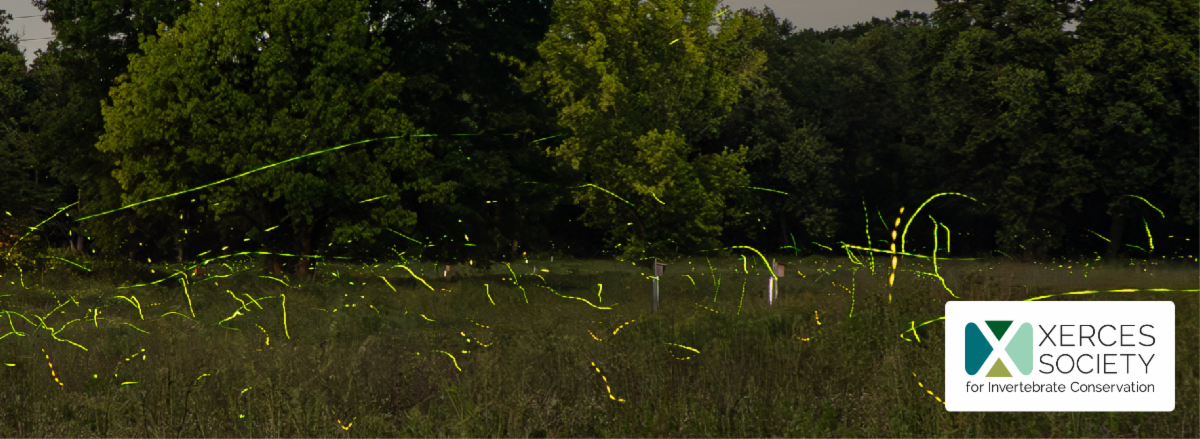
Banner photo: Photo (c) cincyjeff CC BY-NC 4.0

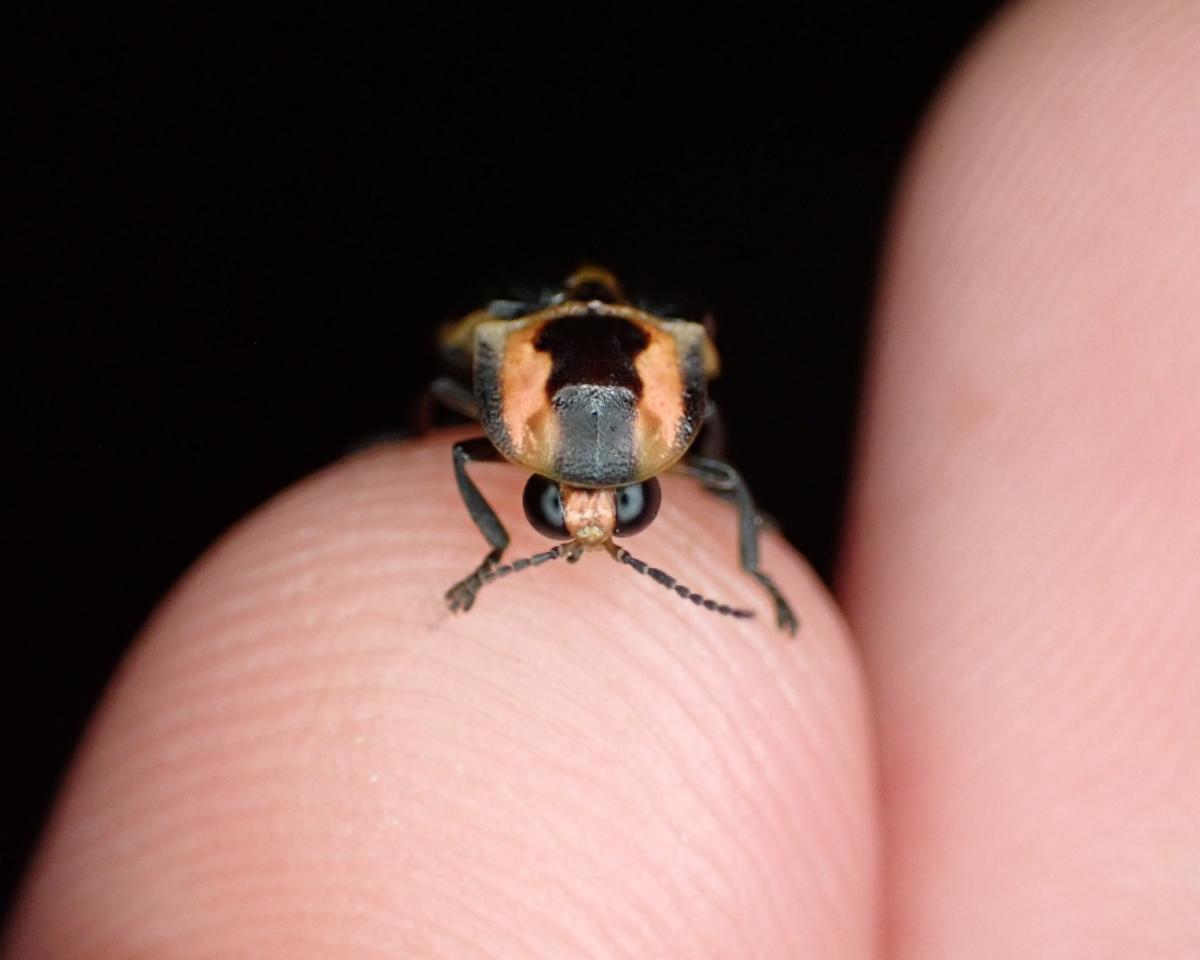
Side photo: Richard Joyce, Xerces Society