[[trackingImage]]
LinkedIn Share This Page

ConnectCares

ConnectCare MD's Monthly Newsletter

December 2024

Whether you’re a patient, caregiver, provider—or all of the above, like Dr. T—Connect with us where you’ll find insights, stories, and resources to support you.

20240526_203748-845x1024.jpg

After a successful 30-year career in primary care, emergency medicine, and hospital-based care in Rochester, NY, I transitioned from the bedside back to the office to continue my passion for helping patients and started ConnectCare MD. As your personal physician liaison, I attend doctor appointments with you when family can't, then share an easy to understand report with both you and your family the very next day.


www.ConnectCareMD.com

pic for presents or presence newsletter.png

Presents or Presence?

The holidays are a time for connection—a season to slow down, listen, and be present. Recently, I met up with a physician colleague, and her story reminded me how powerful presence can be.


One of her former patients was facing a life-changing diagnosis and struggling with difficult interactions at the doctor’s office. The patient left each visit feeling confused and distressed. So much so that she considered stopping potentially curable treatments so she wouldn't have to face another stressful appointment again.


Things were about to change, however, when my colleague went with her to the next appointment. She didn't offer medical advice or interfere; she was just simply present.


What happened next was remarkable...


"I did not say one word" she said. Ironically, her presence alone was the true gift.


Yet, that silent presence changed everything. The tone of the appointment shifted, the specialist showed more warmth, and the patient left with clarity and hope. Outcomes were transformed—all just because someone was there.


As we celebrate this holiday season, let’s remember the gift of being present. For many older adults in our lives, taking time to be present is the most precious present of all. Our presence can create moments of connection and understanding that leave a lasting impact.


Presence is powerful – Call Dr. T now at (585) 727-0235 and I will be present for you at your next doctor appointment or click here to visit our website and learn more.

Dementia, Caregiving and the Holidays

The holidays can be busy and stressful for all of us. Remember that even though Andy Williams says that this is "The Most Wonderful Time of the Year" some of us prefer to relish in the peacefulness of the "Silent Night." For loved ones living with dementia, music, lights, and large gatherings can cause overstimulation and worsen even the best of days. Click here for 4 helpful tips on keeping the holidays fun and festive when someone you love is living with dementia:


  • Shhhhh: large gatherings and festivities can be overwhelming for older adults and those living with dementia. Consider setting aside a quite space or room where they can step away from the crowd but still enjoy one-on-one time with family.


  • Bust the hustle and bustle: While the holiday rush may be part of the thrill for some, the holiday hustle and bustle can be overwhelming for some, especially adults living with dementia. Focus on one or two meaningful activities, like baking cookies, sharing a meal or a gift exchange. Enjoy the season and not just the holi-day by separating them with a return to simple routines on the days in between.


  • Perfect Timing: try scheduling these meaningful activities earlier in the day to avoid sundowning, or the time later in the day when many people living with dementia become confused or agitated.


  • Cheers! Toast to safe and joyful celebrations: For many older adults, with or without dementia, even moderate alcohol consumption can interact with medications and lead to agitation, disorientation, or falls. Consider offering a fun and festive non-alcoholic beverage for everyone to enjoy.

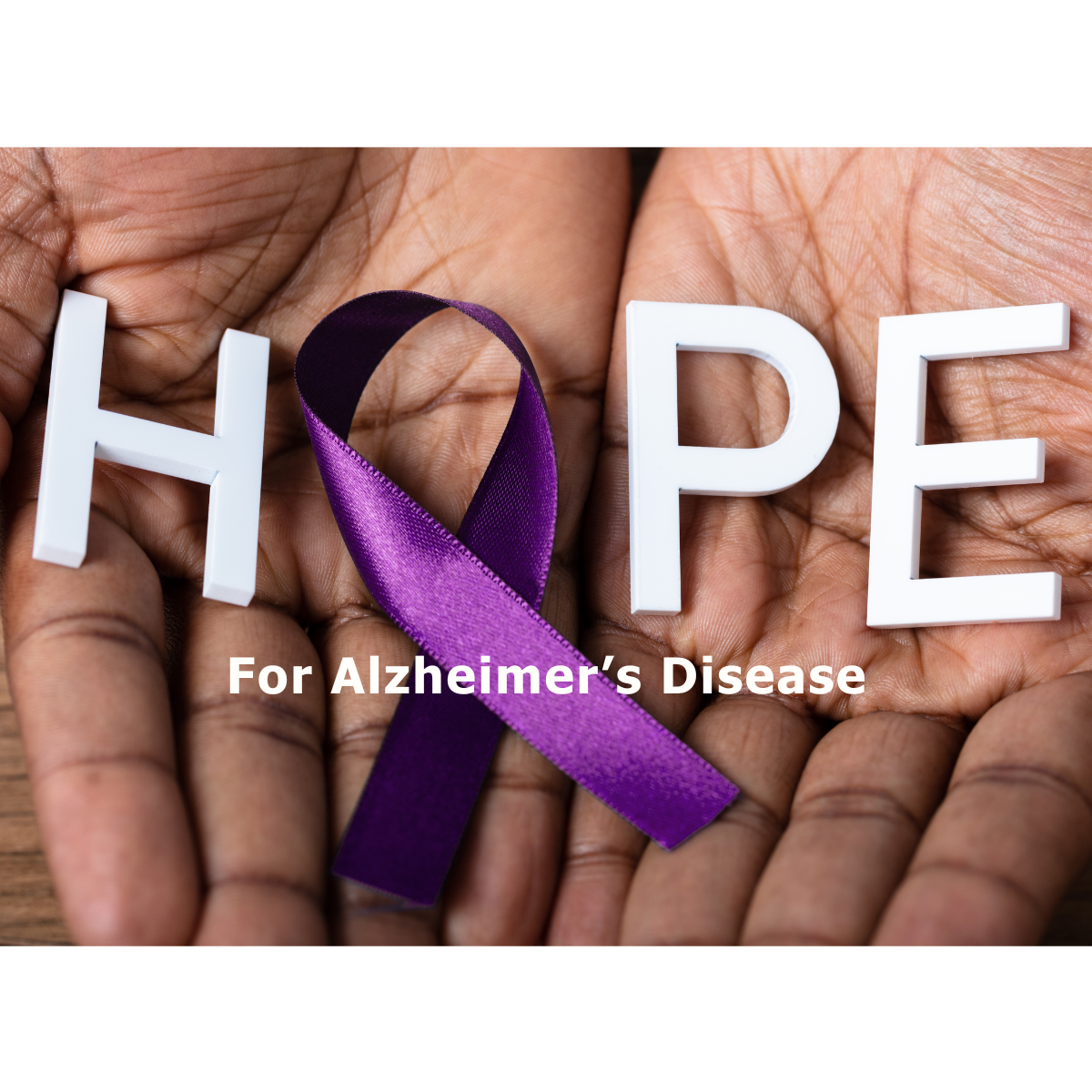
Hope for Alzheimer’s Disease

Hope. Esperanza. 希望. Speranza. No matter what language you speak, hope is more than a word, hope is a powerful emotion. Hope is the emotion behind the idea that there is a light at the end of the tunnel and that tomorrow is another day. And as we end this year (2024), we now have hope in the form of a new and promising treatment. But this time not just a treatment for those living with Alzheimer’s disease, but for the first time, a treatment for Alzheimer’s Disease itself. So what does that really mean?


Let's first talk about treatments. Treatments can come in three different forms: 

  • Treatments that treat our symptoms and help us feel better, for example taking Tylenol for our aches and pains
  • Treatments that change the course of our diseases, for example taking a statin (i.e. atorvastatin) to lower cholesterol
  •  Treatments that cure diseases, for example having surgery when we have an appendicitis


Until now, there have only been medications to treat the symptoms of Alzheimer’s. Until now…


Until now, we had medications that strived to help people living with Alzheimer’s (and their care partners) have more days with less agitation or improved thinking and memory. Until now, we just had medications to help people living with Alzheimer's (and their care partners) have a better night’s sleep.


But now, thanks to two groundbreaking medications that treat Alzheimer’s Disease (Donanemab and Lecanemab), we have hope. I'll call them "Dmab & Lmab" for short. Scientists have known for some time that Alzheimer’s Disease is associated with a buildup of a toxic protein called amyloid in the brain. These amyloid proteins form plaques that ultimately cause brain cell death and contribute to the progressive memory loss, impaired thinking, and difficulty with daily functioning experienced by individuals living with Alzheimer's disease. These new drugs work by helping our immune systems recognize, locate and eliminate toxic proteins, directly targeting Alzheimer's disease with in our brain. Although not a cure, Dmab & Lmab have been found to slow the progression of disease in patients with early stage Alzheimer’s disease.


But the key word here is early. And the earlier the better. As healthcare providers, we understand that studies consistently show greater benefits with earlier treatment.


But the best reason to consider Dmab & Lmab is for those of who us who have or walk side-by-side with someone living with Alzheimer’s disease


Even though we do not yet know if these drugs will help those living with Alzheimer’s disease live longer, we do know that when given early on in the disease, they may help our loved ones live better. For those of us who believe that it’s not about adding years to your life, but it is about adding life to your years, Dmab & Lmab give us valuable quality time. Early intervention for the treatment of Alzheimer’s helps preserve who we are: the 7 million of us who are husbands, wives, parents, grandparents and friends living with Alzheimer’s disease before the disease changes not only our brain, but changes us. 


These drugs give us hope. Hope for those with early-stage Alzheimer’s so that they remain in the early stages longer. Hope for more quality time together, hope for more memories, hope for more of the better days that define who we are. 


So as we end 2024, let us continue hope. Let us hope for a future when we not only have medications that treat symptoms and slow progression, but let us now hope for our final step, the one which ends Alzheimer’s Disease forever. Let us hope for THE cure. Here's to a happy and hopeful new year.

Facebook  LinkedIn

"Connect with Us!"

For more information and to schedule a free consult call

"Dr. T" at (585)727-0235

www.ConnectCareMD.com