2026 Humanity Flourishing Prize
Who Takes Us To Flourishing Futures - Now and for Generations?
The Humanity Flourishing Prize shines a light on the people, organizations, and collaborations whose lives and work illuminate pathways toward a flourishing future.
Around the world, countless individuals are quietly restoring ecosystems, strengthening communities, advancing education, nurturing peace, fostering belonging, expanding opportunity, and inspiring new possibilities for humanity. Their stories remind us not only of what has been accomplished, but of who we can become together.
More than an award, the Humanity Flourishing Prize is a global invitation to discover, celebrate, and learn from these architects of flourishing. By sharing their wisdom, creativity, courage, and compassion, we cultivate a growing community committed to helping humanity and the living world flourish—across borders, across generations, and for millenia.
2026 Nominations are currently closed.
Prize recipients will be announced October 24, as part of the I AM HUMANITY Humanity Day 2026 broadcast Direct any questions to HFPrize@iamhumanity.net
Humanity Day broadcast October 24th, 2026 Register today.
|
|
|
|
|
|
Meet some of our past Nominees and Recipients |
|
|
|
|
|
|
|
A second Special Mention to an Anonymous Educator - A Light in the Dark. As we reviewed this year’s nominees, we spoke about those rare individuals who step into dark places and bring light – not only through what they do, but through who they are as they do it. This young teenage risk-taker is part of a team of educators bringing learning to where hope often fades. For safety reasons, we won’t share their name - but we will share their words: “This is a recognition of every woman who ever dared to learn her name in an environment that told her she couldn’t. It means our voices are being heard. It means education, especially for women, is not a luxury, it’s a right. For me, this prize shines a light on all classrooms – the determined mothers, the young girls holding pencils like power. It’s encouragement to continue, to reach more women, and to believe that with every word they learn, they rewrite their future. Our work has been an act of resilience, and it remains that.”
To this anonymous hero, and to all who carry light into the world - we see you. |
|
|
|
|
|
|
Our 2025 Humanity Flourishing Prize Finalists |
|
|
|
|
|
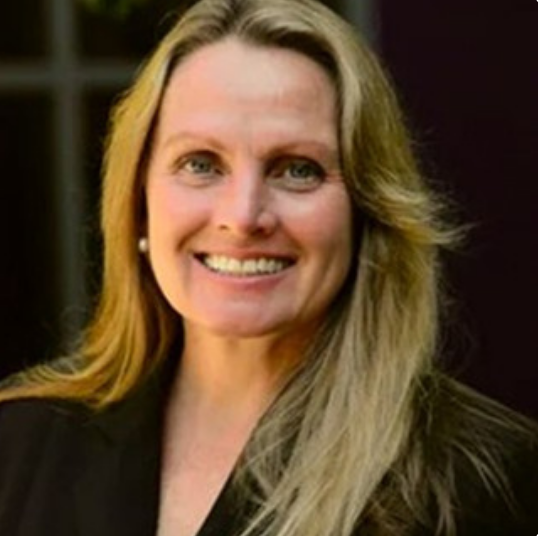
Amy Todisco Hartshorn has spent more than thirty years inspiring people to live in harmony with their health and the planet. Founder of Green Living Now and co-leader of Hartshorn Organic Farm in Vermont, she began her work by uncovering hidden toxins in food and household products - turning personal discovery into a movement for prevention, ecological balance, and informed choice. From organizing Marblehead’s first Earth Day celebration to leading the Marblehead Cancer Prevention Project and the national Household Toxins Institute, Amy has built enduring frameworks for awareness and action. Her podcast, courses, farm tours, and upcoming TEDx talk sustain a vibrant conversation about toxin-free living. By harnessing consumer power and bridging political divides, she advances both corporate accountability and a shared culture of health, empowerment, and flourishing. |
|
|
|
|
|
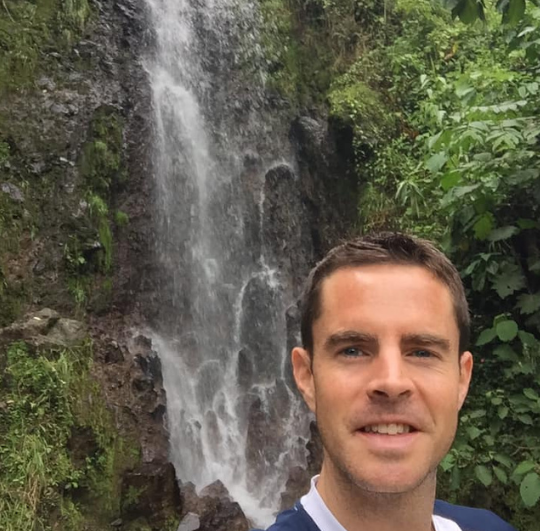
Andy Bayon is the founder of Earth Tribes, a global network connecting climate leaders, community builders, and innovators working to protect and restore the planet. Through online gatherings and a private ad-free platform, Earth Tribes creates a space for authentic collaboration, skill-sharing, and mutual support among people tackling environmental and social challenges. Andy’s approach blends practical empowerment with a sense of awe and reverence for the natural world, helping participants see themselves not as isolated actors but as part of a living web of stewardship and possibility. |
|
|
|
|
|
Armstrong O’Brian Ongera is the founder of Kenya Environmental and Humanitarian Outreach Support Africa (KEHOSA), a grassroots network advancing climate action, education, and livelihood transformation across Kenya. Through its Regenerative Organic Agriculture Center - now engaging more than 100,000 smallholder farmers - Armstrong’s team teaches ecological farming, water stewardship, and cooperative enterprise that restore both soil and spirit. KEHOSA partners with schools, women’s groups, and government leaders to plant trees, strengthen communities, and nurture self-reliance. Rooted in a belief that true flourishing is visible in multiplied impact and renewed hope, Armstrong models a form of leadership grounded in action, integrity, and the conviction that every person can become a force for regeneration. |
|
|
|
|
|
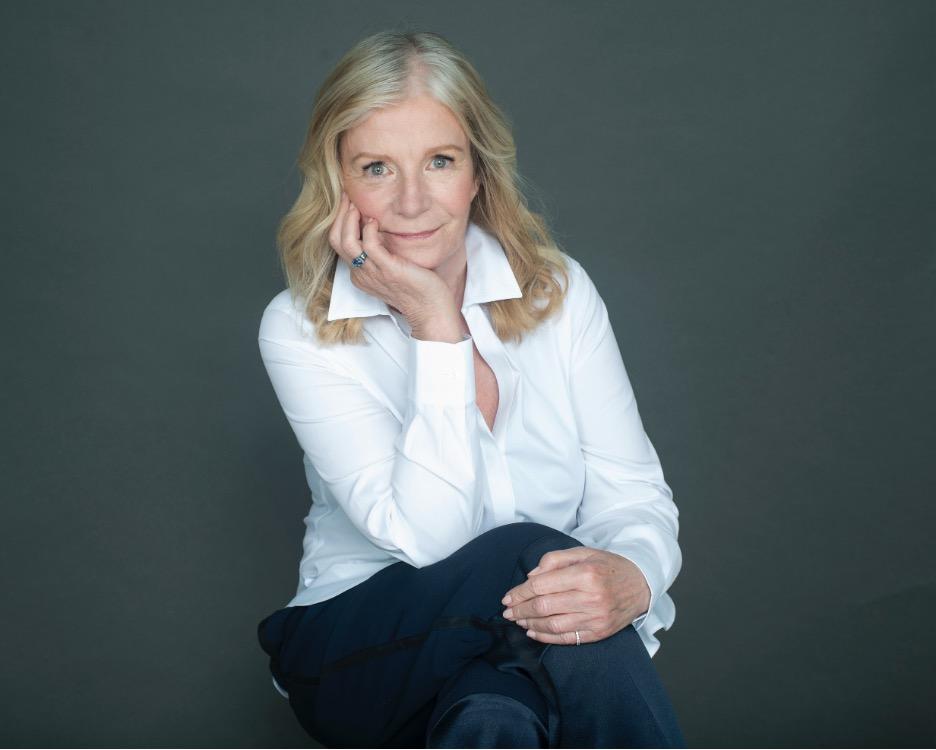
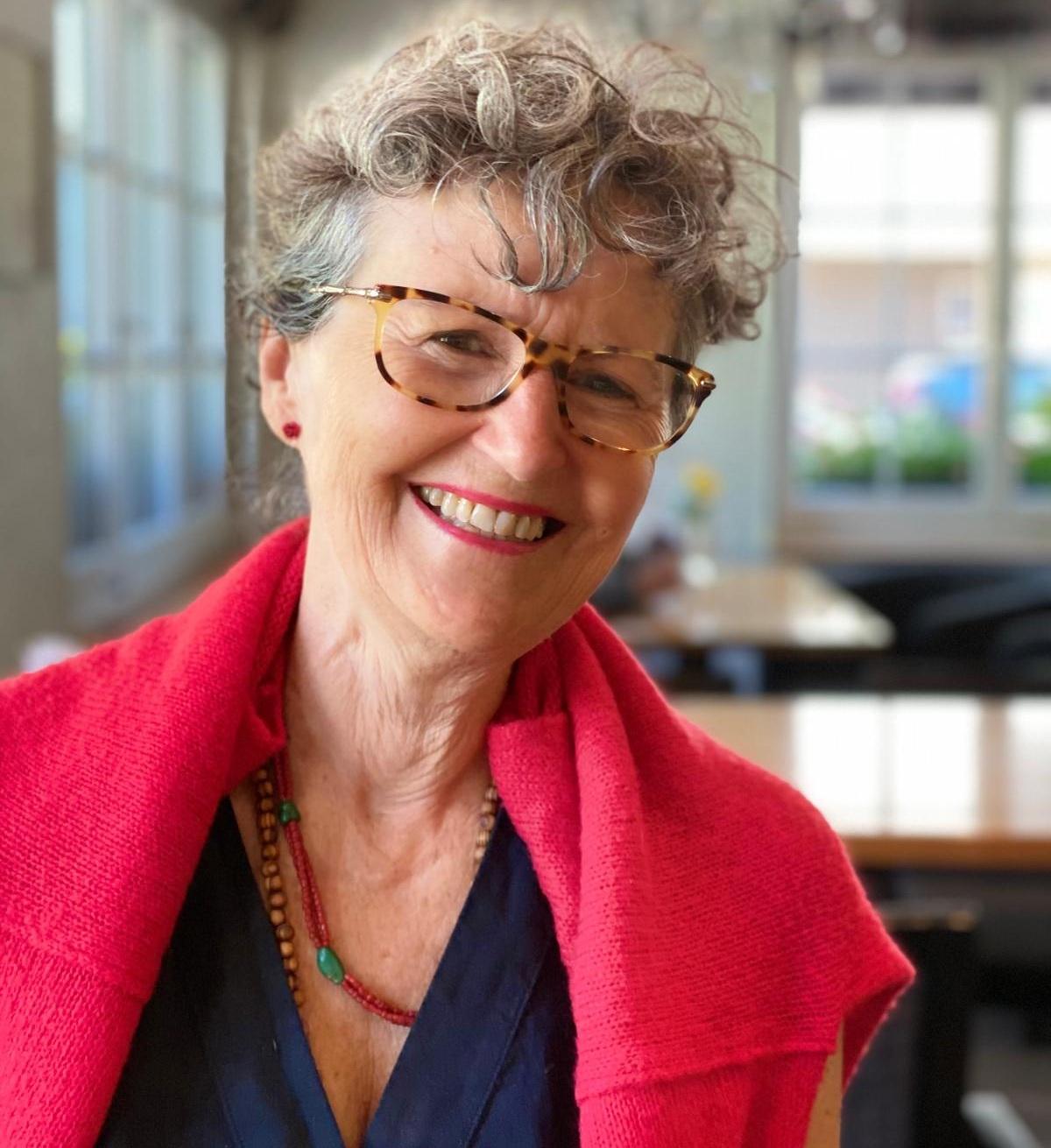
Barbara Annis is a pioneer in the field of gender intelligence and difference thinking, with more than three decades of work helping individuals, teams, and organizations shift from conformity into relational flourishing. Through her workshops, diagnostic tools, consulting, books, and global keynotes, she invites us to see difference - in gender, culture, personality, neurodiversity, and beyond - not as a barrier, but as a source of insight and collective creativity. Her theory of change emphasizes perceptual awakening (“eyes to see difference”), generous listening, and relational practices that unlock collaboration, belonging, and systemic transformation. With clients ranging from Fortune 500 corporations to public institutions, and a growing alignment with movements like I Am Humanity, Barbara’s work creates pathways for humanity to evolve toward deeper connection, equity, and lasting well-being. |
|
|
|
|
|
Beth Klein is a transformative human rights lawyer whose career has spanned decades of relentless advocacy, strategic litigation, and moral witness. She pioneered legal frameworks against trafficking and exploitation -championing anti‑trafficking statutes, platform accountability, and coalition efforts to hold digital intermediaries responsible. Yet her impact is not only in laws: in her representation of survivors, Beth seeks not just justice, but restoration, dignity, and the affirmation of human worth. Today she lends her wisdom to mentor the next generation of justice leaders whose work will move the world toward deeper flourishing. |
|
|
|
|
|
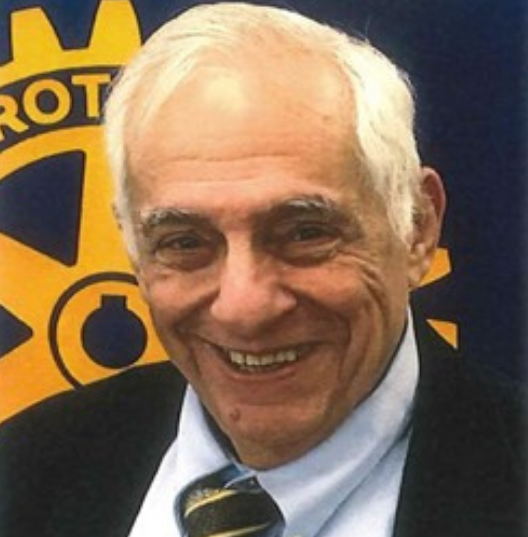
Chuck Tomaselli is a Rotarian, architect, and interfaith climate and peace catalyst based in Central New York. Over decades, he has interwoven local action and global vision: founding Rotary ESRAG groups, championing the “peace game” across Rotary clubs, planting microforests, and advancing the Carbon Crew personal climate action model. Known for his relational humility and ability to bridge institutional structures with grassroots passion, Chuck invites communities everywhere into a shared project of restoration, justice, and dignity - one rooted in love, creativity, and the conviction that flourishing is for all. |
|
|
|
|
|
The Co-Intelligence Institute (CII) is a catalyst for collective wisdom, cultivating humanity’s capacity to think and act together for the good of the whole. Founded in 1996 by author and researcher Tom Atlee, CII explores how co-creativity, dialogue, and inclusion can form the foundation of what Atlee calls “wise democracy.” Through research, convening, and storytelling, the Institute advances practices such as deliberative councils, Dynamic Facilitation, and World Café - methods that help communities integrate diverse voices into shared understanding and action. Its Wise Democracy Pattern Language distills these insights into 96 design principles that guide participatory systems toward long-term benefit for all. Continuing to evolve under new leadership, CII sustains a vital inquiry into how humanity can generate wisdom collectively, even amid uncertainty, toward regenerative flourishing. |
|
|
|
|
|
David Gershon is a pioneering social change strategist whose work spans four decades of designing methodologies to awaken human agency, foster cooperation, and seed systemic transformation. Through the Empowerment Institute, he developed the Peace Game -a codified set of seven practices (agency, oneness, unity, cooperation, abundance, love, faith) - and collaborates globally to launch Peace Zones that enable field-level shifts. With an audacious Moonshot vision for "Peace on Earth by 2030" as a fulcrum for a thousand-year golden age, David’s work invites communities and individuals to embody new cultural patterns that are resilient, generative, and deeply aligned with flourishing. |
|
|
|
|
|
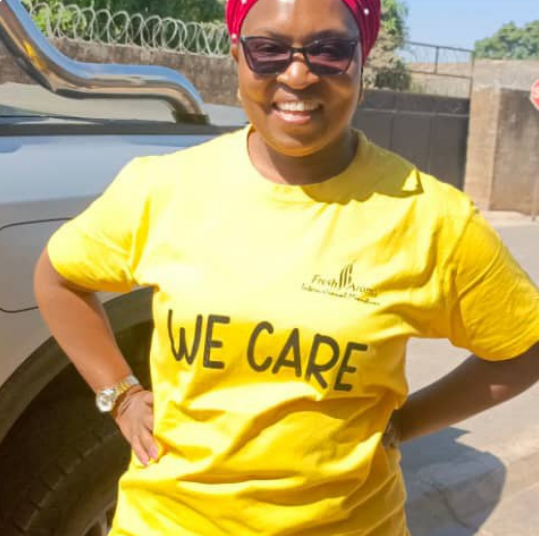
Ellen M.C. Mubanga, Country Director for the Zambia Anglican Council Outreach Programme, exemplifies joyful leadership in action. Drawing on her deep faith and decades of professional experience, she has dedicated her life to nurturing those who nurture others - building resilient networks of care, leadership, and dignity. Through the We Care Foundation, Ellen mobilizes community resources to support elderly women and 45 girls and young women with disabilities, while her church outreach teams train parents in early childhood care and advocate to end gender-based violence and child marriage. She also guides initiatives to rejuvenate local religious communities both spiritually and economically. As a mentor and coach, Ellen empowers young women to lead with integrity and joy. Her strategic, compassionate leadership strengthens the social fabric of her community. |
|
|
|
|
|
Geoffrey Ashiono is an educational innovator in Kakamega County, Kenya, who empowers learners with dyslexia and other learning differences through a network of learning hubs and specially trained instructors. His methodology, grounded in the Davis approach and adapted for local context, restores confidence, academic competence, and dignity for students too often marginalized in traditional settings. Geoffrey also equips parents and teachers to understand neurodiversity, and he aspires to expand into a full model school, scaling his vision of inclusive education across Kenya. |
|
|
|
|
|
I Stretch My Hand is a refugee-led organization founded in 2018 by South Sudanese university students who once lived in Kenya’s Kakuma Refugee Camp and received scholarships through UNHCR’s DAFI program and the World University Service of Canada. Remembering classmates left behind, they pooled their small student stipends to fund high school scholarships for talented but underprivileged refugee youth. Their work now spans scholarships, mentorship, and leadership development - guiding girls to overcome barriers, mentoring students toward higher education, and cultivating a culture of giving back. With over 5,000 youth reached and four scholars already earning WUSC scholarships to study in Canada, I Stretch My Hand shows how those once helped can become helpers, transforming hardship into hope and shared flourishing across generations. |
|
|
|
|
|
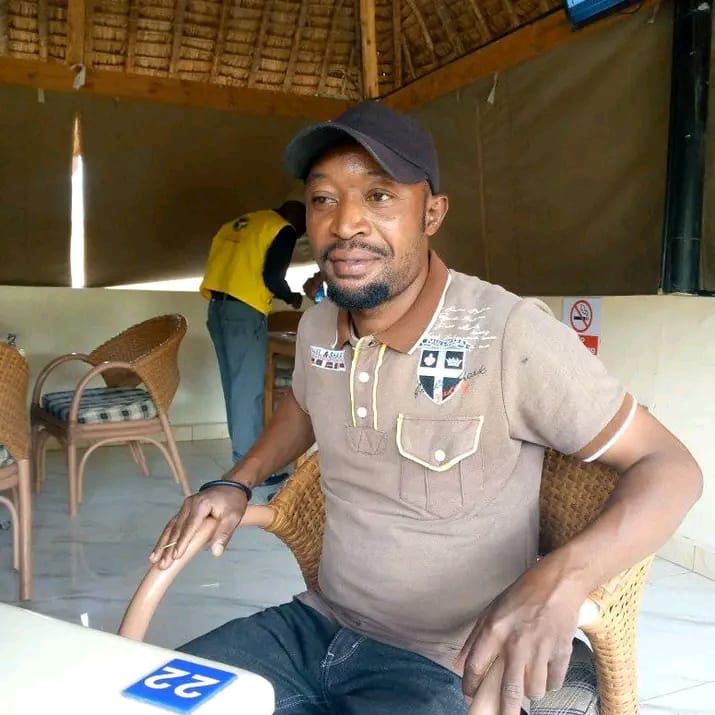
Kiza Echisco is a Congolese refugee and community leader who founded the Youth Empowerment & Talent Center (YETC) in Kakuma Refugee Camp, Kenya. Drawing on his own experience of orphanhood and displacement, Kiza has built a volunteer-run hub where more than 400 children, youth, and adults learn, create, and belong. YETC provides literacy, French and English instruction, permaculture and entrepreneurship training for teenage single mothers, and cultural programs that foster peace and unity. With minimal resources but deep resolve, Kiza and his team of 18 volunteers have raised simple learning shelters, grown gardens, and restored dignity through education and shared care. His vision is clear: that every child and parent in Kakuma can learn, work, and lead toward a flourishing community. |
|
|
|
|
|
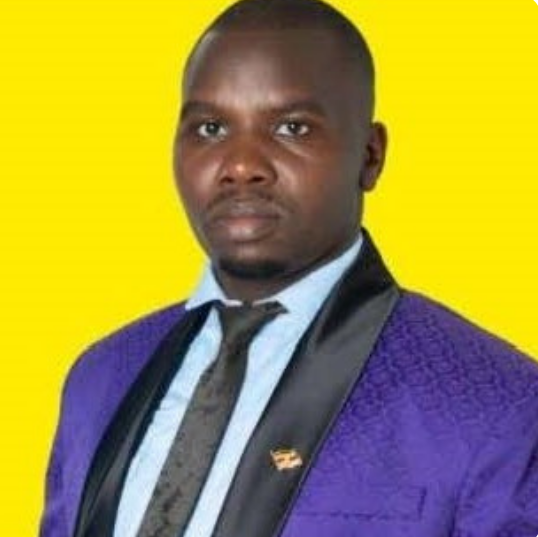
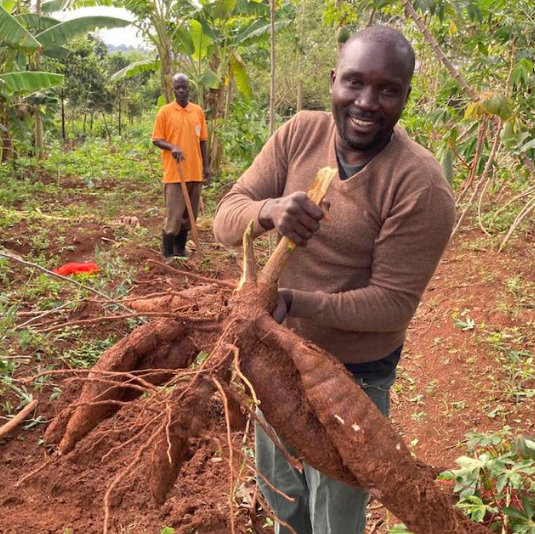
Moses Odongo Ojulu is the Founder and Director of the Ojulu Island Saviours Foundation (OISF), a grassroots movement transforming life on Uganda’s Sigulu Island through environmental renewal, education, and peacebuilding. Guided by the belief that caring for the Earth is inseparable from caring for one another, Moses mobilizes youth and women to plant fruit trees - mango, jackfruit, and avocado - that nourish families, prevent soil erosion, and restore ecosystems. OISF also promotes clean water access, literacy, and health awareness, offering island residents the tools to thrive with dignity. Through partnerships across Uganda and beyond, Moses’s community-rooted model is cultivating not just trees, but hope, unity, and a living legacy of harmony between people and their environment. |
|
|
|
|
|
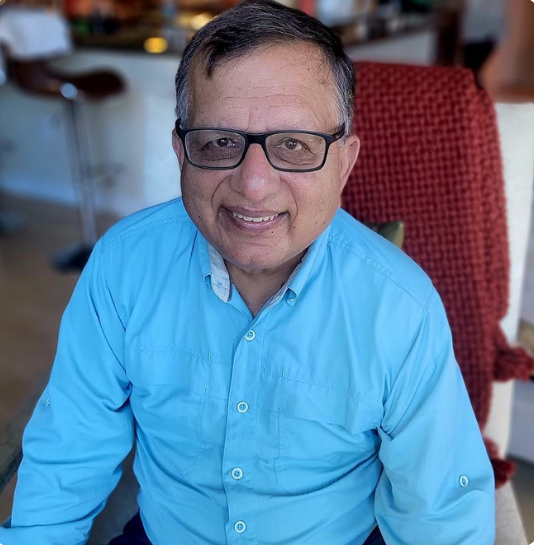
Ravi Bhola, founder of Urban Farms Limited, is redefining how cities grow, distribute, and understand food. Drawing on more than 30 years of experience in technology, renewable energy, and venture investment, Ravi has created a scalable model for clean, nutrient-dense, and chemical-free urban agriculture. Through indoor vertical farms powered by precision lighting and hydroponic systems, Urban Farms produces fresh fruits, vegetables, herbs, and fish while cutting supply chains and revitalizing local economies. The company’s first large-scale site in South Dakota unites high-tech farming with workforce development, education, and community entrepreneurship. Guided by the principle that food is medicine, Ravi’s vision links human health, innovation, and dignity—empowering communities worldwide to nourish both body and imagination through access to truly living food. |
|
|
|
|
|
RCBD – Rohingya Center and RC‑Hope for Education are a set of grassroots education and empowerment initiatives operating out of Cox’s Bazar refugee camps in Bangladesh. With minimal resources, the team runs multiple temporary learning centers providing literacy, numeracy, life skills, and psychosocial support; train local volunteer teachers; and engage families through “father sessions” to ensure children attend and thrive. Their work is distinguished by its survivor‑led authenticity, a dual focus on restoring dignity and identity as well as academic learning, and the vision of growing formal schools, raising leadership among Rohingya youth, and amplifying refugee voices globally. |
|
|
|
|
|
Shanti Philomena Benz-Howell is the founder and president of Nimdy, a grassroots NGO empowering women and children through education, clean water, and hope across Ghana, Ukraine, and beyond. She began her more than four decades of humanitarian service as a young missionary in Nigeria, fostering interfaith collaboration between Muslim and Christian youth. In the years since then, Nimdy has funded schooling for over 250 children, established boreholes providing clean water to thousands, and mentored girls into apprenticeships that break cycles of poverty. In war-torn Ukraine, Nimdy supports orphanages and hospital clowns bringing joy to children with cancer. Guided by compassion and integrity, Philomena’s life demonstrates how love in action restores dignity and cultivates human flourishing. |
|
|
|
|
|
The Women’s Leadership Project (WLP) has championed the rights and voices of Black girls and queer and gender expansive youth in South Los Angeles for over 20 years. Rooted in a feminist secular humanist framework, WLP provides culturally affirming educational curricula, community activism, and arts programming that confront intersecting oppressions including racial capitalism, patriarchy, and theocratic authoritarianism. Their groundbreaking work addresses systemic violence, mental health, critical literacy and civic engagement, creating safe spaces where vulnerable youth can heal, express themselves, and lead transformative change. Through social justice campaigns like “Murdered and Missing," #Standing4BlackGirls and innovative arts. programming, WLP is redefining what it means to flourish amid globally challenging times. |
|
|
|
|
|
XXXXXX is a 15-year-old refugee and educator living in South Asia, who is transforming lives through literacy. After fleeing their country, this anonymous leader founded informal literacy classes for women and girls in their refugee community. With no funding and only a borrowed room, they and their friends teach more than 150 women—many of them child brides, mothers, and widows - to read, write, and tell their own stories. In these small, sunlit rooms, women who once lived in silence now write their names, share their journals, and imagine new futures. Each word learned is an act of freedom - a quiet revolution where women reclaim dignity, equality, and the power to dream. |
|
|
|
|
|
|
Our 2025 Humanity Flourishing Prize Recipients |
|
|
|
|
|
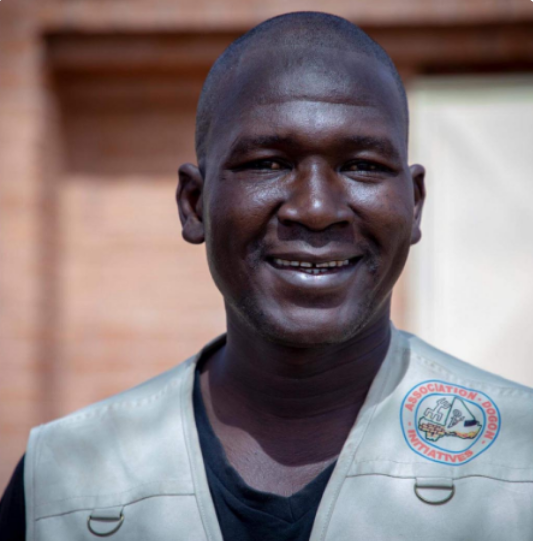
Saidou Témé - Honorable Mention Saidou heads Association Dogon Initiatives, restoring both land and dignity in the Sahel, Mali. As climate change drives desertification and drought, he partners with villages to design their own solutions—replanting native shrubs, building wells to deep aquifers, and cultivating women-led kitchen gardens that feed families and strengthen livelihoods. His organization’s staff live within the same communities they serve, ensuring trust and continuity. Guided by the principle that no solution endures without local ownership, Témé fosters collaboration across faiths and generations. His grassroots model—rooted in dialogue, indigenous knowledge, and shared care for the earth—demonstrates that the greening of the Sahel begins with the flourishing of its people. |
|
|
|
|
|
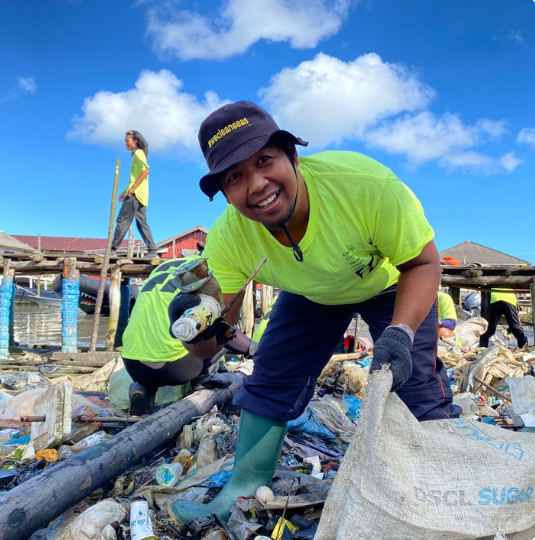
Iwan Winarto - Honorable Mention Iwan is a community leader from Pengudang Village on Bintan Island, Indonesia, who has spent more than a decade linking education, environmental restoration, and local livelihoods to strengthen coastal resilience. Working with The Island Foundation and the YAKOPI Foundation, he leads mangrove rehabilitation and coastal cleanups that have revived local ecosystems and inspired stewardship across generations. His approach integrates hands-on action with education: youth learn English and ecology, fishermen gain training in value-added enterprises, and villagers engage in ecotourism that reinvests in conservation. Guided by a belief that flourishing begins with shared care for the environment, Iwan’s work has restored tens of thousands of mangroves and inspired a generation to see that protecting the natural world is also protecting their future. |
|
|
|
|
|
Kenneth (Kones) Omondi Ochieng - shared Honorable Mention Kenneth is a community leader and permaculture practitioner dedicated to fostering thriving, resilient communities through ecological restoration, social inclusion, and mindset transformation. Rooted in a philosophy of care for the earth and people, Kenneth has spearheaded initiatives that enhance food security, empower marginalized groups including people with disabilities, and restore environmental health around Lake Victoria, Kenya. His holistic approach combines practical action with inspirational teaching, nurturing responsibility, love, and hope to ensure flourishing for present and future generations. Through his work, Kenneth models the power of collective care and positive mindset to create lasting, regenerative change. |
|
|
|
|
|
Teresiah Gitau - shared Honorable Mention Teresiah is founder of Ecofarm Organics in Nairobi, is transforming the way urban communities see waste — not as refuse, but as resource. Working in Githurai Market, in Kenya, she and her team convert heaps of discarded produce into compost, biofertilizers, and clean-burning briquettes that restore soil health, reduce deforestation, and lower carbon emissions. Through Ecofarm’s ten-lesson agroecology curriculum, farmers and youth learn to make natural inputs from materials already in their hands, sparking new livelihoods and healthier harvests. From school kitchen gardens to urban microenterprises, Teresiah’s circular model links people, planet, and profit, in a sustainable vision of flourishing rooted in renewal. |
|
|
|
|
|
Ofentse Makonya - Laureate of Honor Ofentse is the founder of Conversations With My Brother, a South African initiative reimagining healthy masculinity through generational dialogue, emotional openness, and intentional community. Across South Africa, Ofentse Makonya is giving men new access to their strength - not through dominance, but through reflection and connection. Through her movement, Conversations With My Brother, she invites men to return to the deep wells of cultural meaning that have always been theirs: the stories, roles, and metaphors that root them in community. Where many see a crisis of masculinity, Ofentse sees an opportunity for renewal - to reclaim the best of what manhood can mean. Her gatherings are part fireside chat, part family reunion, part awakening. Men come together not to compete, but to listen, to speak truth, and to remember who they are to one another: sons, fathers, brothers - each in relation, each responsible for the other. What emerges is a reimagining of healthy masculinity that celebrates accountability and connection. With a growing cadre of events, media content, and a vision for chapters and youth camps, her work speaks to both urgent wellbeing and long-term cultural flourishing for men and their communities. |
|
|
|
|
|
|
|
Bright Nwaru - Humanity Flourishing Prize Recipient Bright, A Nigerian born professor based in Sweden, is the founder of the African Science Frontiers Initiatives (ASFI), a pan-African movement revitalizing scientific culture through integrity, unity, and shared purpose. Operating entirely on volunteer energy, ASFI equips early- and mid-career researchers with the skills and moral foundation to lead Africa’s scientific renewal. Through intensive trainings, mentorship, and a peer-reviewed research journal, ASFI has equipped hundreds of early- and mid-career researchers with the tools and confidence to win grants, publish papers, and mentor others in turn. Bright’s approach reframes science as a communal act of transformation, resulting in a networked community of almost 5000 leading minds across the continent. His work embodies a vision of flourishing grounded in patience, courage, and the conviction that Africa’s strength lies in its collective spirit. |
|
|
|
|
Gratitude to the Judges, Teams, and many people that made the 2025 Humanity Flourishing Prize a great success. |
|
|
|
|
2024 Humanity Flourishing Prize Recipients |
|
|
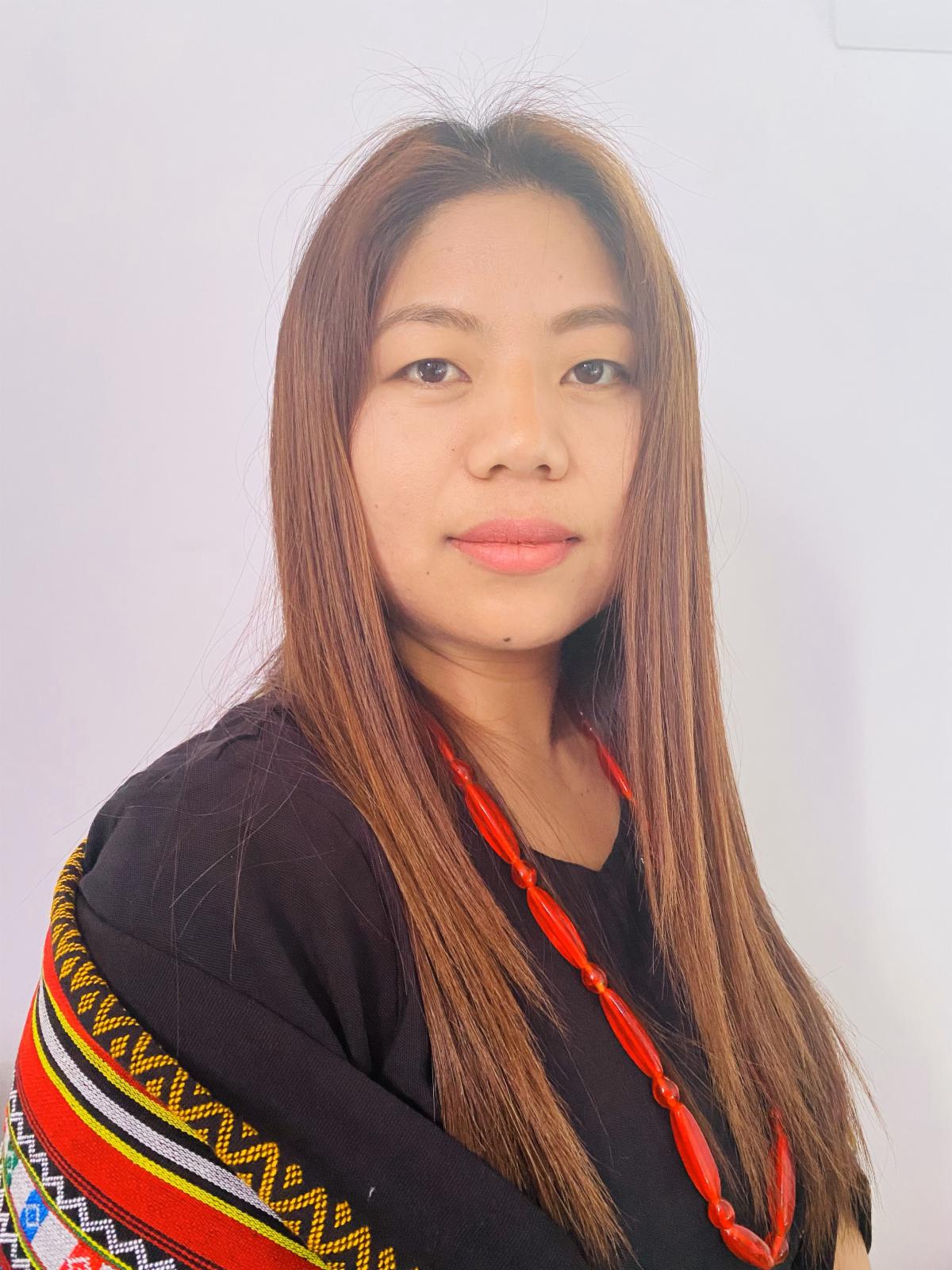
Christalin Thangpawl I AM HUMANITY is interested in the interruption and healing of intergenerational trauma and its effects. Christalin Thangpawl and Chin Humanitarian Aid International received the award for its efforts to provide comprehensive support to the war refugees of the Chin State of Myanmar, addressing healing of the personal, community and intergenerational effects of exposure to war and displacement. |
|
 |
|
Elena Panaritis I AM HUMANITY is interested in economics shifting its view to value humanity flourishing, with humanity as the ultimate stakeholder. Elena Panaritis was awarded for her work creating systems that truly work for people, addressing institutional and regulatory barriers to economic participation and prosperity causing communities to flourish across the globe. |
|
|
|
James Offah I AM HUMANITY is interested in peace and generational healing of communities. James Offah received the prize for his ongoing leadership in peace building, conflict transformation and community healing through education, active listening and storytelling. |
|
|
|
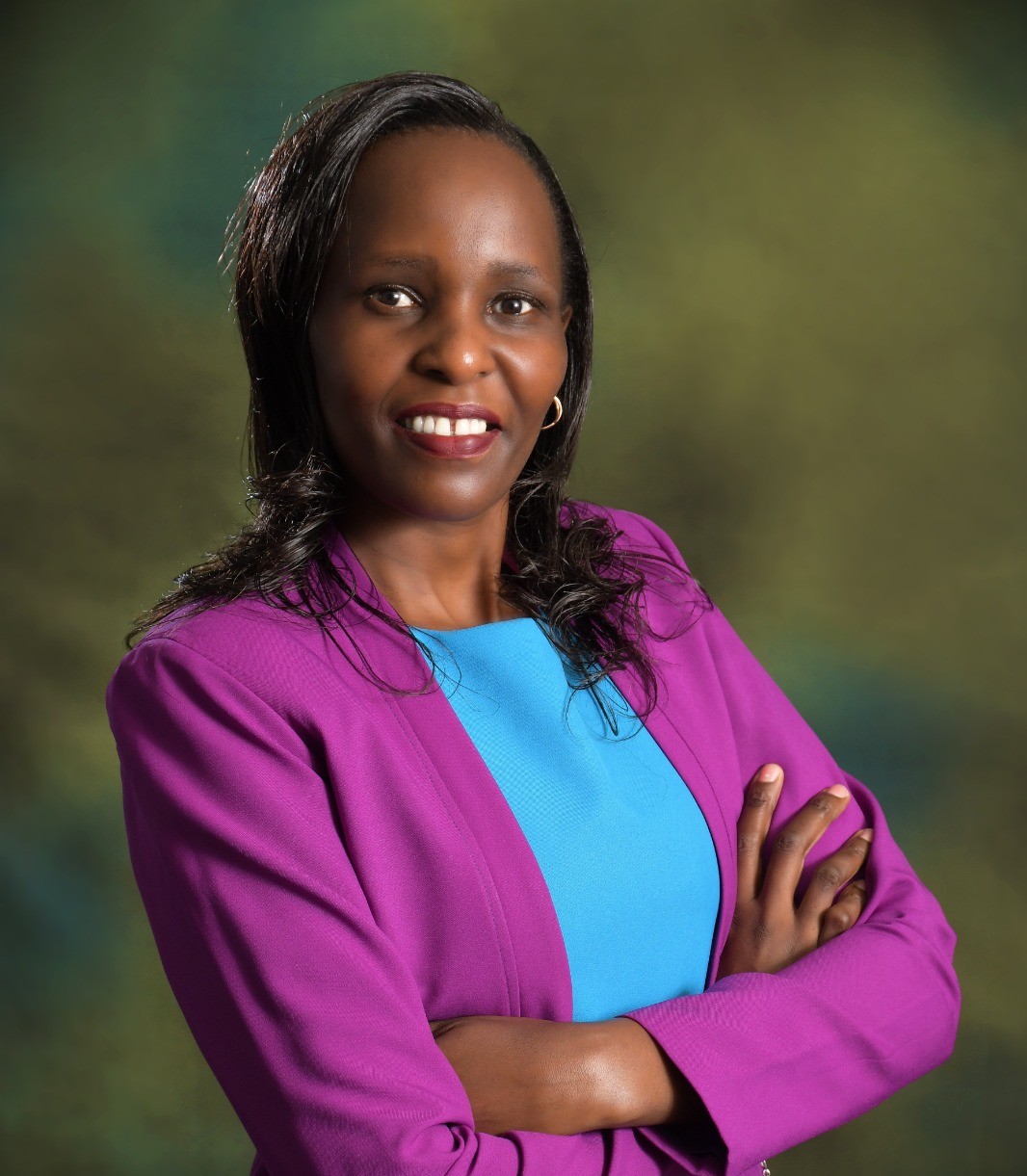
Daniel Kamanga I AM HUMANITY is interested in developing community leadership for the advancement of flourishing communities. Daniel received a Transformational Impact Award for his work in Transformation and Leadership Training toward the goal of developing a million transformational leaders across ten African nations by 2050. |
|
|
|
|
|